TL;DR

Get backup power and energy gear delivered free — and shop member deals
- Fast, free delivery on millions of items
- Access to Prime Big Deal Days deals on October 6–7
- Prime Video, Amazon Music and more included
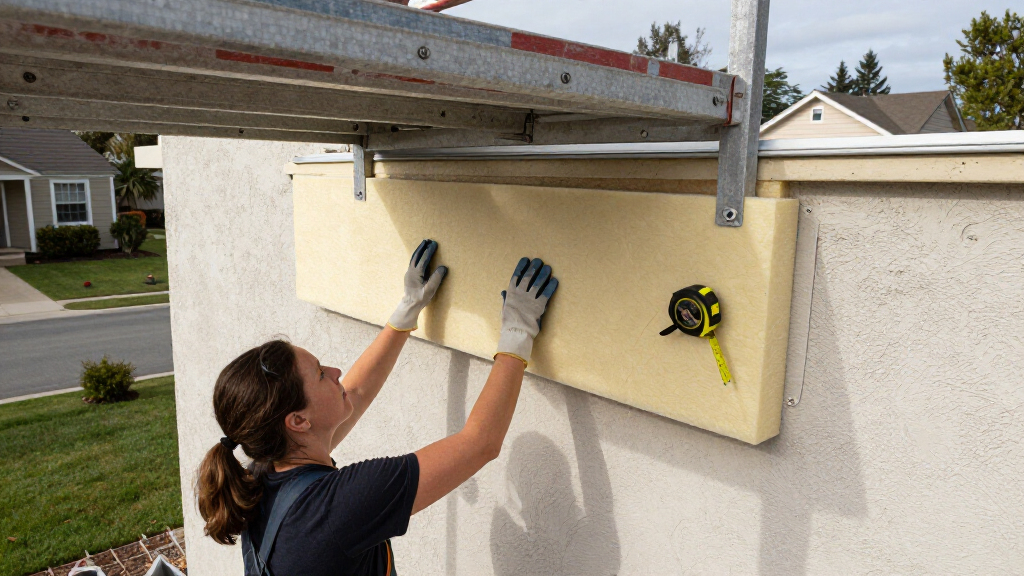
A homeowner’s retrofit question describes adding two layers of 1.5-inch mineral-wool insulation over existing stucco, followed by vertical furring and cement-board siding. The source raises, but does not answer, whether the stucco can serve as the water-resistive barrier or how the wall will dry with interior plastic sheeting.
A homeowner considering a continuous-insulation retrofit over existing stucco has outlined a plan using two layers of mineral-wool board and asked whether the stucco can serve as the water-resistive barrier (WRB). The question also flags a potential drying concern: the home has interior plastic sheeting, while the proposed exterior insulation is vapor-permeable; the source material does not provide a technical answer or confirm that the work is proceeding.
The question describes a 1993 Utah home with gypsum wallboard, plastic sheeting, 2-by-4 framing on one level and 2-by-6 framing on the second. The wall cavities contain blown-in cellulose and fiberglass batts. Outside the framing are 7/16-inch OSB sheathing, tar paper, metal lath and three-coat traditional stucco. The homeowner says the stucco was applied directly over the tar paper and lath, with no air gap between the stucco assembly and sheathing.
The proposed work begins with repairing cracks and material changes in the existing stucco. It would add two 1.5-inch layers of mineral-wool insulation, with the layer seams offset, then 1-by-3-inch vertical furring strips and cement-board siding. The proposal as described does not include a new WRB. The homeowner asks whether the existing stucco assembly can perform that function, rather than asserting that it will.
The second question concerns vapor movement through the wall. Because plastic sheeting is present on the interior side, the homeowner asks whether a vapor-permeable exterior insulation such as mineral wool is needed to avoid trapping moisture between layers that restrict drying. These are questions in a published homeowner post, not verified conclusions about the assembly’s performance; the supplied report includes no response establishing a recommended detail.
Water Control Behind New Siding
The retrofit would place new insulation, a drainage space created by furring, and cement-board siding outside an existing stucco wall. How rainwater is managed at the interface matters because cracks, joints and transitions can admit water, while the proposed assembly does not identify a new WRB. Whether the retained stucco and underlying materials can provide suitable water control is a central design question, not something the source settles.
The interior plastic also makes drying direction relevant. If a wall assembly has limited capacity to dry inward, the choice and placement of exterior materials can affect its ability to release moisture outward. The homeowner’s question points to this concern, but the source provides no calculations, climate analysis or inspection findings. Readers should not treat the proposed material list alone as proof that the wall will remain dry or perform as intended.
For homeowners, the practical takeaway is that adding insulation is not just an R-value decision. Existing layers, water-shedding details, vapor permeability and the condition of the stucco all need to be considered together. The source does not establish a universal solution for stucco retrofits or confirm that this particular proposal meets local requirements.
mineral wool exterior insulation panels
As an affiliate, we earn on qualifying purchases.
As an affiliate, we earn on qualifying purchases.
The Existing Wall Assembly
The report is a follow-up to a similar GreenBuildingAdvisor question from 2017. The homeowner describes the newer question as nearly identical to that earlier case but supplies details about the proposed insulation and cladding layers. The provided material does not include the earlier discussion’s answers, so it cannot be used here to establish a recommendation.
The wall described combines several existing components: interior gypsum and plastic, insulated framing, OSB sheathing, tar paper, metal lath and traditional stucco. The proposal would retain the stucco rather than remove it, repair visible cracks and place the new insulation and siding outside it. That means the questions concern how the existing exterior layers function within a revised assembly, as well as how the new work connects at openings, edges and other transitions.
The source identifies mineral wool as the proposed insulation but does not give a product specification, installation detail or independent assessment of the wall. It also does not report a completed retrofit, measured energy savings, moisture monitoring or inspection by a building professional. Those limits distinguish the homeowner’s design questions from evidence of a finished project’s results.
“Doesn’t the stucco satisfy the WRB layer?”
— Homeowner, in the GreenBuildingAdvisor question
water-resistive barrier for stucco walls
As an affiliate, we earn on qualifying purchases.
As an affiliate, we earn on qualifying purchases.
Key Assembly Details Unanswered
The source does not say whether the stucco, tar paper or another layer has been evaluated as the WRB, nor does it provide a proposed flashing or drainage detail. It is also unclear how windows, doors, roof edges, foundations and other transitions would be handled when the exterior wall becomes thicker. These details can affect whether water is directed back outside the assembly.
No information is provided about the current condition of the stucco, signs of past leaks, indoor humidity, local exposure or the exact properties of the existing plastic sheeting. The post also contains no expert reply, code review or confirmation that the design has been approved. As a result, the suitability of the proposed assembly remains unverified, as do its likely energy performance, moisture behavior, cost and construction schedule.
vapor-permeable exterior wall insulation
As an affiliate, we earn on qualifying purchases.
As an affiliate, we earn on qualifying purchases.
Review Before Installation
The homeowner’s next step, as implied by the questions, is to resolve the water- and vapor-control details before construction. That would require evaluating the existing wall and specifying how the retained stucco, any WRB, insulation, furring and siding work together, including at openings and other transitions. The supplied source does not report whether that review has taken place or identify a planned construction date.
Readers considering a similar retrofit should seek a project-specific assessment from a qualified building-envelope professional and check local code and permit requirements. The available report offers no final recommendation or follow-up result; whether this homeowner adopts the proposed assembly, changes it or proceeds with construction remains unknown.
stucco repair and crack repair kit
As an affiliate, we earn on qualifying purchases.
As an affiliate, we earn on qualifying purchases.
Key Questions
What insulation does the homeowner propose?
The proposed design uses two 1.5-inch layers of mineral-wool insulation with offset seams, followed by vertical furring strips and cement-board siding. The source describes a plan, not a completed installation.
Does the existing stucco count as the water-resistive barrier?
The homeowner asks whether it can serve that role, but the supplied report does not answer. It gives no assessment of the stucco, tar paper, flashing details or the wall’s overall water-management design.
Why does the interior plastic matter?
The homeowner is concerned that interior plastic could limit inward drying and asks whether vapor-permeable insulation outside the wall would help avoid trapping moisture. The source does not confirm a specific vapor-control solution for this house.
Has the retrofit been approved or completed?
No. The source is a homeowner’s question describing a proposed assembly. It contains no construction update, code approval, expert determination or reported performance results.
Source: rss
Halloween Picks
halloween
As an affiliate, we earn on qualifying purchases.