
TL;DR

Get backup power and energy gear delivered free with Prime
- Fast, free delivery on millions of items
- Prime Video, Amazon Music and more included
- Member-only deals all year
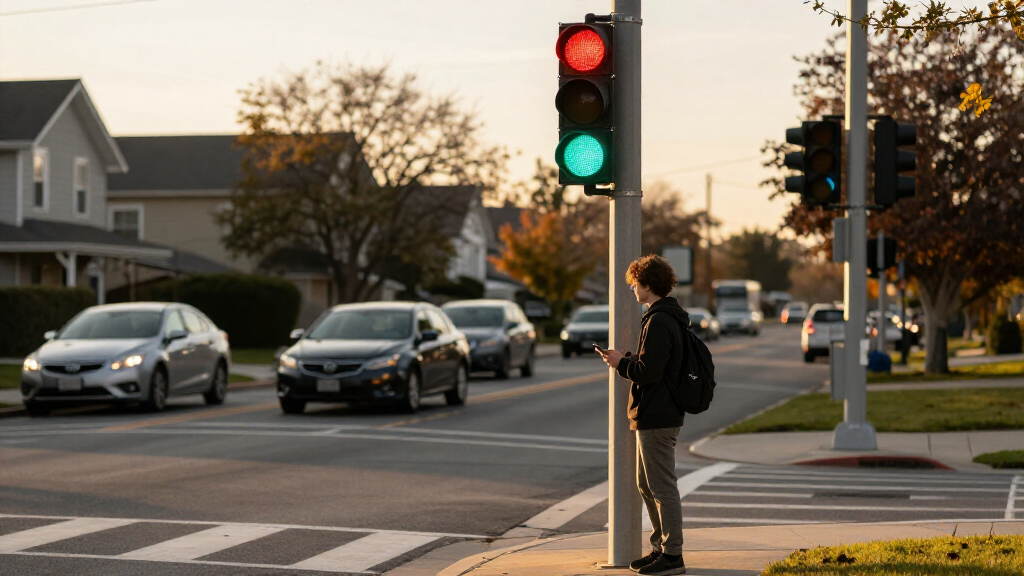
Traffic experts are examining whether installing more green lights at intersections can effectively slow drivers. While data is limited, interest in this approach is rising amid concerns over speeding and road safety.
Traffic authorities and urban planners are increasingly exploring whether increasing the number of green lights at intersections could help slow down drivers. This emerging idea is gaining attention as a potential tool to improve road safety and reduce speeding, though no definitive studies or official policies have yet confirmed its effectiveness.
Recent discussions in transportation circles highlight that more frequent green lights might influence driver behavior by creating a smoother flow of traffic, potentially reducing the temptation to speed. Some preliminary observations suggest that drivers tend to accelerate during red lights or in areas with fewer green signals, which can lead to unsafe speeds. Advocates argue that increasing green lights could encourage a more consistent driving pace, discouraging abrupt accelerations and decelerations that often contribute to speeding incidents.
However, this concept remains largely theoretical at this stage. Traffic engineers and researchers acknowledge that there is limited empirical data directly linking more green lights to reduced speeding. Most evidence is anecdotal or based on small-scale observations, and comprehensive studies are still underway or in planning stages. Authorities also note that the impact of green light frequency may vary depending on local traffic patterns, driver demographics, and other factors such as enforcement and signage.
Interest in this approach has surged in recent months, driven by rising concerns over traffic fatalities and the need for innovative safety measures. Urban areas with high rates of speeding-related accidents are particularly interested, but widespread implementation is not yet confirmed. Experts emphasize that any changes to traffic light timing must be balanced with overall traffic flow and congestion management to avoid unintended consequences.
Potential Impact of Increased Green Lights on Road Safety
If proven effective, increasing green lights could offer a simple, cost-efficient way to encourage safer driving behaviors without the need for heavy enforcement or technological interventions. This approach could complement existing measures such as speed cameras and public awareness campaigns. However, without solid evidence, policymakers remain cautious about widespread adoption, emphasizing the need for pilot programs and rigorous evaluation to determine actual benefits and limitations.
As an affiliate, we earn on qualifying purchases.
Background and Growing Interest in Traffic Signal Strategies
The idea of manipulating traffic signals to influence driver behavior is not new. Traffic engineers have long experimented with timing adjustments to optimize flow and reduce congestion. Recently, however, the focus has shifted toward behavioral impacts, with some cities experimenting with variable signal timing and adaptive systems. The current trend toward exploring more green lights as a behavioral tool is partly driven by increasing traffic safety concerns, especially in urban areas with rising speeding incidents and traffic fatalities. While no official policies have been announced, the topic is gaining traction among transportation researchers and city planners seeking innovative solutions.
The trigger for this renewed interest appears to be a combination of anecdotal reports, early pilot programs, and media coverage, but specific studies confirming the approach’s effectiveness are still pending. Experts caution that the idea, while promising, requires more rigorous testing before it can be recommended for widespread use.
As an affiliate, we earn on qualifying purchases.
Effectiveness and Implementation Challenges Still Unclear
While the concept is gaining interest, there is currently no definitive evidence proving that increasing green lights directly reduces speeding. The impact may vary based on local conditions, and unintended effects such as increased congestion or driver frustration are possible. Researchers emphasize that more controlled studies and pilot programs are needed to establish clear outcomes and best practices.
As an affiliate, we earn on qualifying purchases.
Upcoming Studies and Pilot Programs to Test Green Light Strategies
Several cities and transportation agencies are planning or considering pilot programs to evaluate the impact of increased green light frequency on driver speeds and safety metrics. These initiatives aim to gather empirical data over the coming months and years, which will inform whether this strategy can be scaled up. Experts expect that results from these pilots will be critical in shaping future traffic signal policies and safety initiatives.
As an affiliate, we earn on qualifying purchases.
Key Questions
Can increasing green lights actually reduce speeding?
Currently, there is no conclusive evidence. Some experts believe it could promote steadier driving, but more research is needed.
Are there any risks associated with more green lights?
Potential risks include increased congestion or driver frustration if green lights are too frequent or poorly timed. These effects are still being studied.
Which cities are testing this approach?
Specific cities have not yet officially announced large-scale implementations, but pilot programs are being considered or planned in various urban areas.
How soon could this strategy be adopted widely?
It depends on the results of ongoing pilot studies. If proven effective, wider adoption could take several years, after thorough evaluation and adjustments.
Source: rss
Fall Picks
fall essentials
As an affiliate, we earn on qualifying purchases.