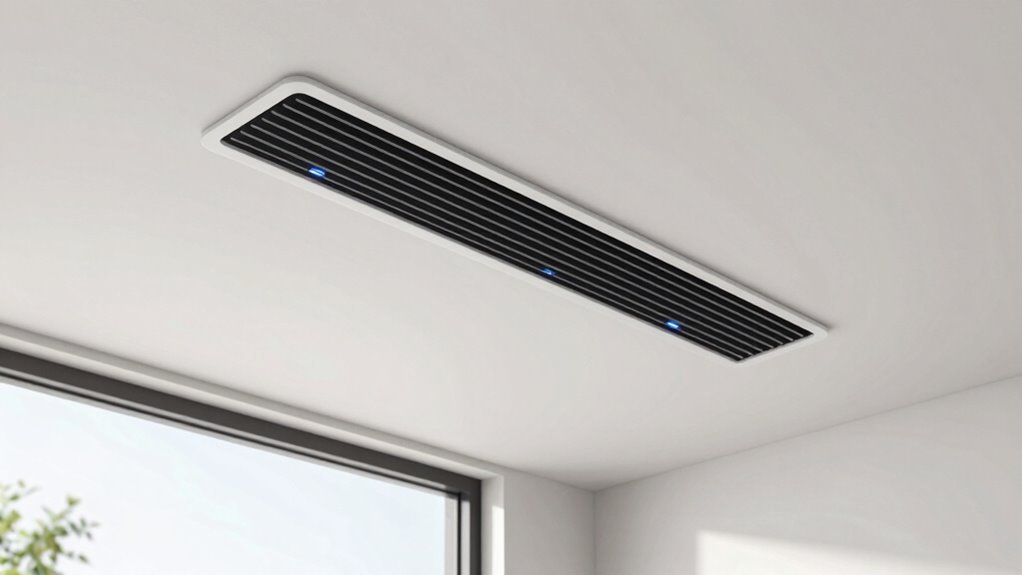

To upgrade your ventilation system without wasting energy, consider installing heat and energy recovery ventilators (HRVs/ERVs). These systems efficiently exchange stale indoor air for fresh outdoor air while recovering heat from outgoing air to warm incoming air. Coupling them with smart controls like motion sensors and timers guarantees the system runs only when needed. This balance improves indoor air quality and keeps energy bills low. Keep exploring to discover how to optimize your ventilation setup even further.

Get backup power and energy gear delivered free with Prime
- Fast, free delivery on millions of items
- Prime Video, Amazon Music and more included
- Member-only deals all year
Key Takeaways
- Use Heat and Energy Recovery Ventilators (HRVs/ERVs) to exchange indoor and outdoor air efficiently while conserving energy.
- Properly size and calibrate ventilation systems to match your space’s needs, avoiding energy waste from oversizing or underperformance.
- Improve the building envelope by sealing leaks and adding insulation to reduce unnecessary air infiltration.
- Incorporate smart controls like sensors and timers to operate ventilation only when needed, minimizing energy consumption.
- Opt for energy-efficient components that enhance system performance without increasing energy bills.
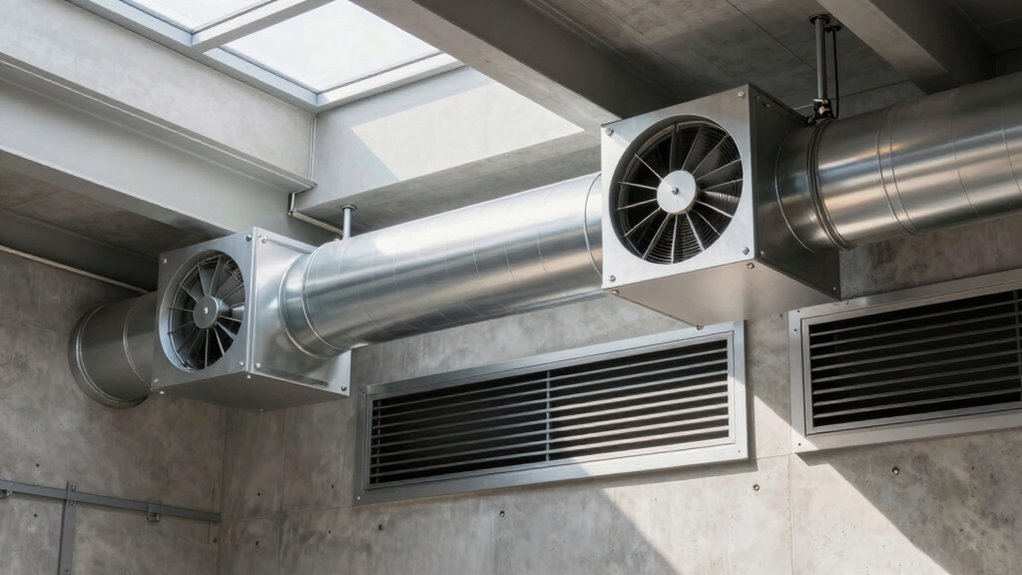
Upgrading your ventilation system doesn’t have to mean wasting energy. Modern ventilation solutions focus on improving indoor air quality while maintaining or even enhancing energy efficiency. You want fresh air circulating through your space without skyrocketing your energy bills, and that’s entirely possible with the right approach. By choosing energy-efficient ventilation options, you can enjoy cleaner air and lower operating costs simultaneously.
One of the key ways to achieve this balance is by installing heat recovery ventilators (HRVs) or energy recovery ventilators (ERVs). These systems work by exchanging stale indoor air with fresh outdoor air, but they do so efficiently. Instead of simply venting out the indoor air and pulling in fresh air, HRVs and ERVs recover heat from the outgoing air and transfer it to the incoming air. This process significantly reduces the energy needed to heat or cool the new air, making your ventilation upgrade much more sustainable. As a result, your indoor air quality improves without the typical energy drain associated with traditional ventilation methods.
Another important factor is proper system sizing. When you select a ventilation system that’s appropriately sized for your space, it operates at optimal efficiency and doesn’t waste energy running when it’s not needed. Overly large systems may cycle on and off frequently, wasting energy, while undersized units struggle to keep indoor air quality high. Consulting with a professional to determine the right size ensures your system runs smoothly, providing fresh air without excessive energy consumption. Additionally, system calibration ensures your ventilation functions optimally and adapts to your changing needs. Incorporating smart controls and sensors can further fine-tune system operation, reducing unnecessary energy use.
Sealing leaks and improving insulation also play a vital role. When your building envelope is well sealed, you prevent unwanted air leaks that can force your ventilation system to work harder. Better insulation reduces the load on your HVAC system, making your entire climate control setup more energy-efficient. This synergy between insulation, sealing, and a properly designed ventilation system creates a balanced environment that maximizes indoor air quality without unnecessary energy expenditure.
Finally, smart controls and sensors can help you optimize your ventilation system’s operation. By using motion detectors, humidity sensors, or programmable timers, your system can adapt to your needs, running only when necessary. This targeted approach minimizes energy waste and ensures you’re consistently breathing cleaner air. Implementing energy-efficient components can further enhance your system’s performance. Upgrading your ventilation doesn’t have to come at the cost of higher energy bills. With the right equipment and strategies, you can enjoy improved indoor air quality and energy efficiency, creating a healthier, more sustainable living or working environment.
Heat Recovery Ventilator (HRV) system
As an affiliate, we earn on qualifying purchases.
As an affiliate, we earn on qualifying purchases.
Frequently Asked Questions
How Much Does a Ventilation Upgrade Typically Cost?
A ventilation upgrade typically costs between $3,000 and $7,000, depending on your home’s size and the system type. Installation factors like ductwork complexity, existing infrastructure, and local labor rates influence the total cost. You might also need additional modifications, which can increase expenses. To get an accurate estimate, it’s best to consult a professional who can assess your specific needs and recommend the most energy-efficient, cost-effective solution.
Can These Upgrades Be Installed in Existing Homes?
Yes, you can install these upgrades in existing homes. For example, adding smart thermostats and indoor plants can improve air quality efficiently. Smart thermostats optimize ventilation systems, saving energy, while indoor plants naturally purify air. These upgrades are often designed for retrofitting, making it easy to enhance your home’s ventilation without extensive renovations. You’ll enjoy better air quality and energy savings with minimal disruption.
What Maintenance Is Required for Energy-Efficient Ventilation Systems?
You’ll need to regularly check and replace air filters to guarantee peak airflow and air quality. Additionally, system calibration is essential; you should have a professional verify that your ventilation system operates efficiently and maintains the right balance of airflow and energy use. Routine maintenance like cleaning filters and scheduling calibration keeps your energy-efficient ventilation system running smoothly, saving energy, and improving indoor air quality over time.
Do These Systems Reduce Indoor Air Quality?
No, energy-efficient ventilation systems don’t reduce indoor air quality if they’re properly maintained. They improve indoor air by continuously exchanging stale air with fresh air and often incorporate air filtration to remove dust, allergens, and pollutants. Regularly changing filters and inspecting the system guarantee peak performance. When maintained correctly, these systems enhance indoor air quality, providing a healthier environment without wasting energy.
How Long Does It Take to See Energy Savings?
You can typically see energy savings within a few months of upgrading your ventilation system. The energy savings timeline depends on factors influencing savings like system efficiency, usage patterns, and climate. As you use the new system, you’ll notice reduced energy bills, especially during peak seasons. Consistent operation and proper maintenance can accelerate these savings, ensuring your upgrade delivers long-term benefits without wasting energy.
Energy Recovery Ventilator (ERV) with smart controls
As an affiliate, we earn on qualifying purchases.
As an affiliate, we earn on qualifying purchases.
Conclusion
Now that you know how energy-efficient ventilation upgrades work, aren’t you enthusiastic to implement them and reduce your energy bills? These systems prove that you don’t have to sacrifice comfort for sustainability. With smarter technology, you can enjoy fresh air without wasting energy. Why settle for outdated solutions when innovative options are right at your fingertips? Embrace the upgrade and make a meaningful difference for your home and the environment today.
automatic ventilation system with sensors
As an affiliate, we earn on qualifying purchases.
As an affiliate, we earn on qualifying purchases.
energy-efficient home ventilation
As an affiliate, we earn on qualifying purchases.
As an affiliate, we earn on qualifying purchases.
Halloween Picks
halloween
As an affiliate, we earn on qualifying purchases.