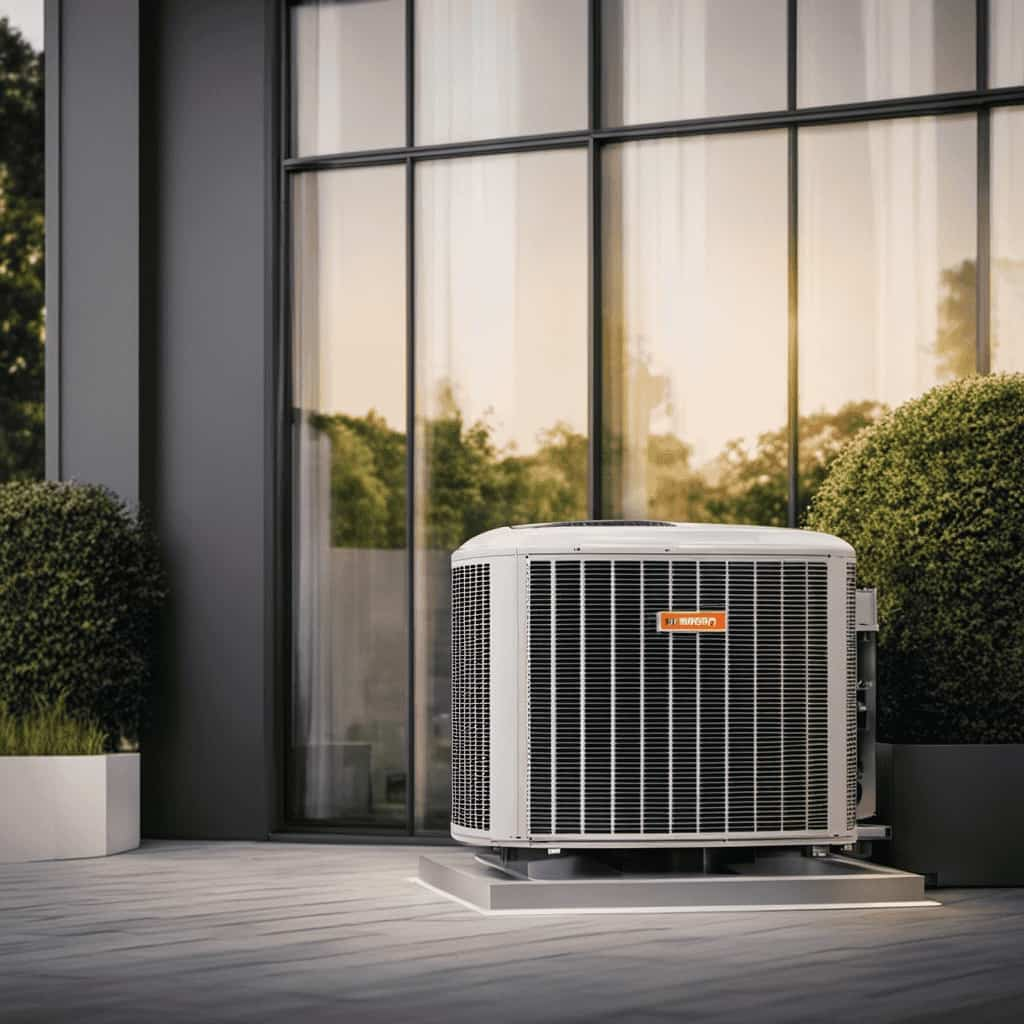

Are you feeling cold? The reason may lie in your heat pump’s efficiency rating.

Get backup power and energy gear delivered free with Prime
- Fast, free delivery on millions of items
- Prime Video, Amazon Music and more included
- Member-only deals all year
It’s time to dive into the importance of energy efficiency ratings and understand how they affect your heating and cooling performance.
Are you experiencing common issues with a low efficiency heat pump? Fear not, we’ll explore the benefits and considerations of upgrading to a high efficiency heat pump.
Get ready to cozy up to a warmer and more efficient home.

Key Takeaways
- Energy efficiency ratings are crucial for heat pump performance and can affect the heating and cooling abilities of the pump.
- Upgrading to a high efficiency heat pump can lead to cost savings, a more comfortable home environment, and a reduced environmental impact.
- Low efficiency heat pumps can result in inadequate heating or cooling, inconsistent temperature regulation, high energy consumption, and noisy operation.
- Understanding the SEER and HSPF ratings can help in making informed decisions about heat pumps and ensuring better efficiency.
As an affiliate, we earn on qualifying purchases.
The Importance of Energy Efficiency Ratings
We believe energy efficiency ratings are crucial when considering the performance of heat pumps. The impact of energy efficiency on monthly bills can’t be overstated. When a heat pump is more energy efficient, it consumes less electricity, resulting in lower monthly bills for homeowners. Not only does this save money, but it also reduces our carbon footprint, making it an environmentally friendly choice.
Government regulations play a significant role in promoting energy efficiency. By establishing and enforcing standards for heat pump efficiency, governments ensure that consumers have access to reliable and efficient heating systems. These regulations also encourage manufacturers to innovate and develop more energy-efficient heat pump models.
Ultimately, energy efficiency ratings and government regulations work together to benefit consumers, the environment, and society as a whole.
As an affiliate, we earn on qualifying purchases.
Understanding SEER and HSPF Ratings
When it comes to understanding SEER and HSPF ratings, it’s important to know how these numbers affect the efficiency and performance of your heat pump.
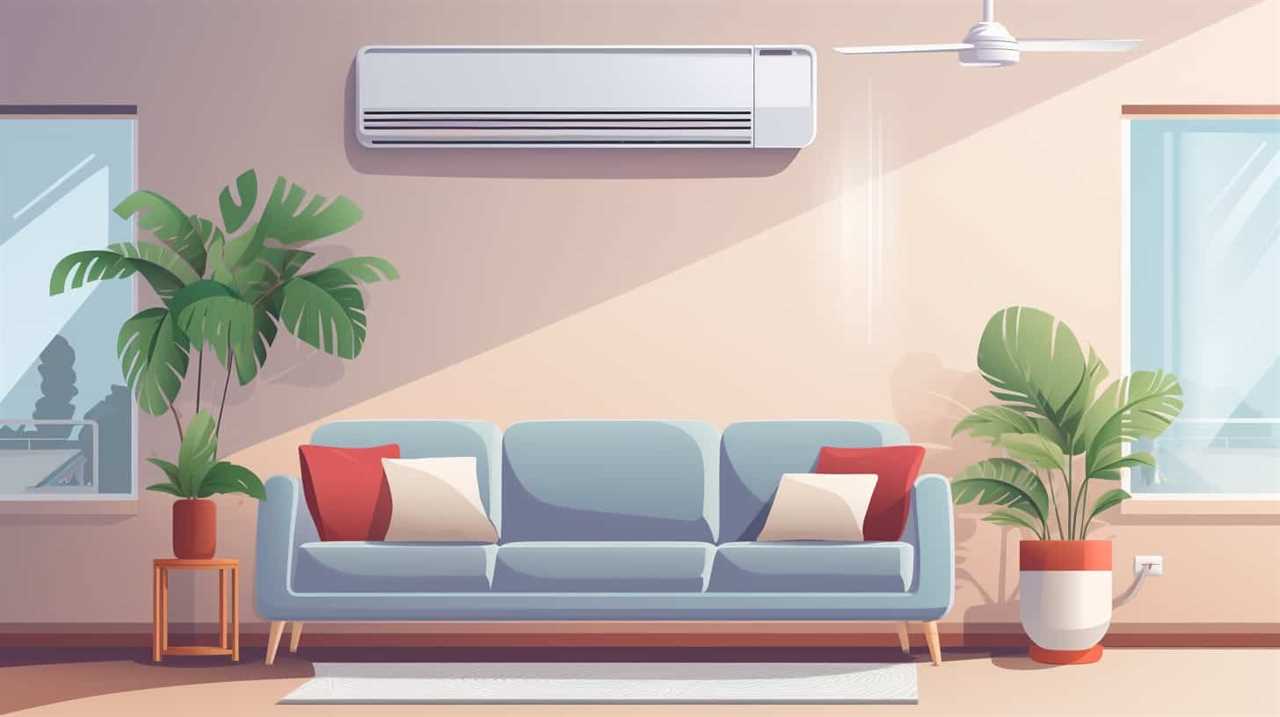
The Seasonal Energy Efficiency Ratio (SEER) measures the cooling efficiency of your heat pump, while the Heating Seasonal Performance Factor (HSPF) measures its heating efficiency. These ratings are crucial in determining the heating system efficiency and energy consumption of your heat pump.
A higher SEER rating indicates greater cooling efficiency, meaning your heat pump uses less energy to cool your home. Similarly, a higher HSPF rating indicates greater heating efficiency, resulting in lower energy consumption during the heating season.
energy efficient heating and cooling system
As an affiliate, we earn on qualifying purchases.
As an affiliate, we earn on qualifying purchases.
How Efficiency Ratings Affect Heating and Cooling Performance
Understanding efficiency ratings plays a crucial role in optimizing the heating and cooling performance of our heat pumps. Here are a few key points to consider:
-
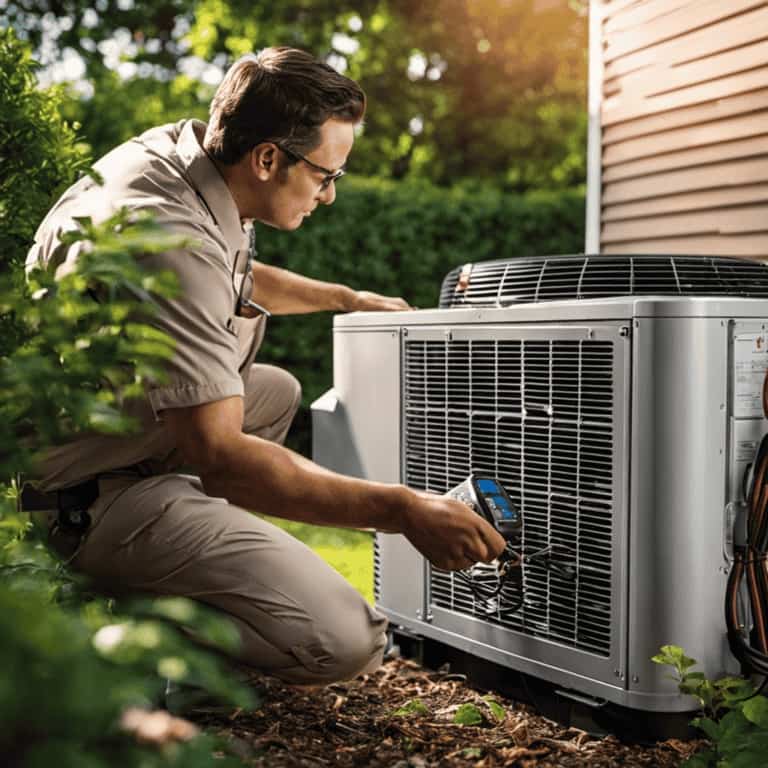
Efficiency ratings directly impact energy consumption: Higher efficiency ratings mean less energy is required to produce the same heating or cooling output. This leads to lower energy consumption and reduced utility bills.
-
Efficiency ratings and cost savings go hand in hand: By investing in a heat pump with a high efficiency rating, homeowners can enjoy significant cost savings over time. The lower energy consumption translates to lower operating costs, resulting in long-term financial benefits.
-
Improved heating and cooling performance: Heat pumps with higher efficiency ratings are designed to deliver more consistent and comfortable temperatures throughout the home. This ensures better indoor comfort and a more efficient use of energy.
-
Environmental impact: Higher efficiency ratings also contribute to reducing greenhouse gas emissions, making heat pumps an environmentally-friendly heating and cooling solution.
Understanding how efficiency ratings affect heating and cooling performance is crucial in making informed decisions about our heat pumps. By considering these factors, we can maximize energy savings, enhance comfort, and minimize our environmental footprint.

In the next section, we’ll explore some common issues associated with low efficiency heat pumps.
best heat pump for energy savings
As an affiliate, we earn on qualifying purchases.
As an affiliate, we earn on qualifying purchases.
Common Issues With Low Efficiency Heat Pumps
One common issue with low efficiency heat pumps is inadequate heating or cooling performance. When a heat pump has a low efficiency rating, it struggles to effectively heat or cool a space, resulting in discomfort for the occupants. This can be particularly frustrating during extreme weather conditions. Troubleshooting low efficiency heat pumps involves identifying the root cause of the problem and taking appropriate measures to address it.
| Common Issues | Causes | Solutions |
|---|---|---|
| Insufficient heating or cooling | Low efficiency rating, improper installation | Upgrade to a high efficiency heat pump, ensure proper installation |
| Inconsistent temperature regulation | Inefficient operation, thermostat issues | Optimize heat pump settings, repair or replace faulty thermostats |
| High energy consumption | Inefficiency, improper maintenance | Perform regular maintenance, consider energy-efficient alternatives |
| Noisy operation | Mechanical problems, worn-out components | Schedule professional inspection, repair or replace damaged parts |
Upgrading to a High Efficiency Heat Pump: Benefits and Considerations
To fully understand the benefits and considerations of upgrading to a high efficiency heat pump, we should explore its potential cost savings and environmental impact.
Upgrading to a high efficiency heat pump can result in increased savings on energy bills. These heat pumps are designed to operate more efficiently, consuming less energy while still providing the same level of comfort. This improved efficiency means that the heat pump requires less electricity to generate the same amount of heating or cooling, resulting in lower energy costs.

Additionally, high efficiency heat pumps have a positive environmental impact. They produce fewer greenhouse gas emissions, reducing their carbon footprint and contributing to a cleaner and healthier environment.
Upgrading to a high efficiency heat pump is a practical and eco-friendly choice for homeowners looking to save money and reduce their environmental impact.
- Increased savings on energy bills
- Lower energy consumption
- Reduced greenhouse gas emissions
- Contributing to a cleaner and healthier environment
Frequently Asked Questions
How Often Should a Heat Pump’s Efficiency Rating Be Checked?
Regular maintenance affects a heat pump’s efficiency rating by ensuring optimal performance. Upgrading to a high efficiency heat pump provides benefits such as reduced energy consumption and cost savings. Checking the efficiency rating periodically is recommended.
Are There Any Government Regulations or Incentives for Upgrading to a High Efficiency Heat Pump?
Government regulations and incentives play a crucial role in promoting the upgrade to high-efficiency heat pumps. By offering financial incentives and setting standards, the government encourages homeowners to invest in energy-efficient solutions for better comfort and lower utility bills.

Can a Heat Pump’s Efficiency Rating Be Improved Over Time With Regular Maintenance?
Regular maintenance can improve a heat pump’s efficiency rating over time, resulting in long-term benefits. By ensuring proper upkeep and addressing any issues promptly, we can optimize performance and enhance energy efficiency.
How Does the Location or Climate Affect the Efficiency Rating of a Heat Pump?
Location factors, such as climate influence the efficiency rating of a heat pump. We have found that heat pumps perform differently in various climates due to variations in temperature, humidity, and overall environmental conditions.
Are There Any Specific Brands or Models That Are Known for Having the Highest Efficiency Ratings?
When it comes to top heat pump brands with high efficiency ratings, there are a few that stand out. Choosing an energy efficient heat pump has numerous benefits, from cost savings to reduced environmental impact.
Conclusion
In conclusion, upgrading to a high-efficiency heat pump can greatly improve both heating and cooling performance in your home. With a higher SEER and HSPF rating, you can expect increased energy efficiency and lower utility bills.

In fact, studies have shown that upgrading to a high-efficiency heat pump can result in energy savings of up to 20% compared to standard models.
So, if you want to stay warm and cozy while saving money, it’s time to consider a high-efficiency heat pump.
Halloween Picks
halloween
As an affiliate, we earn on qualifying purchases.