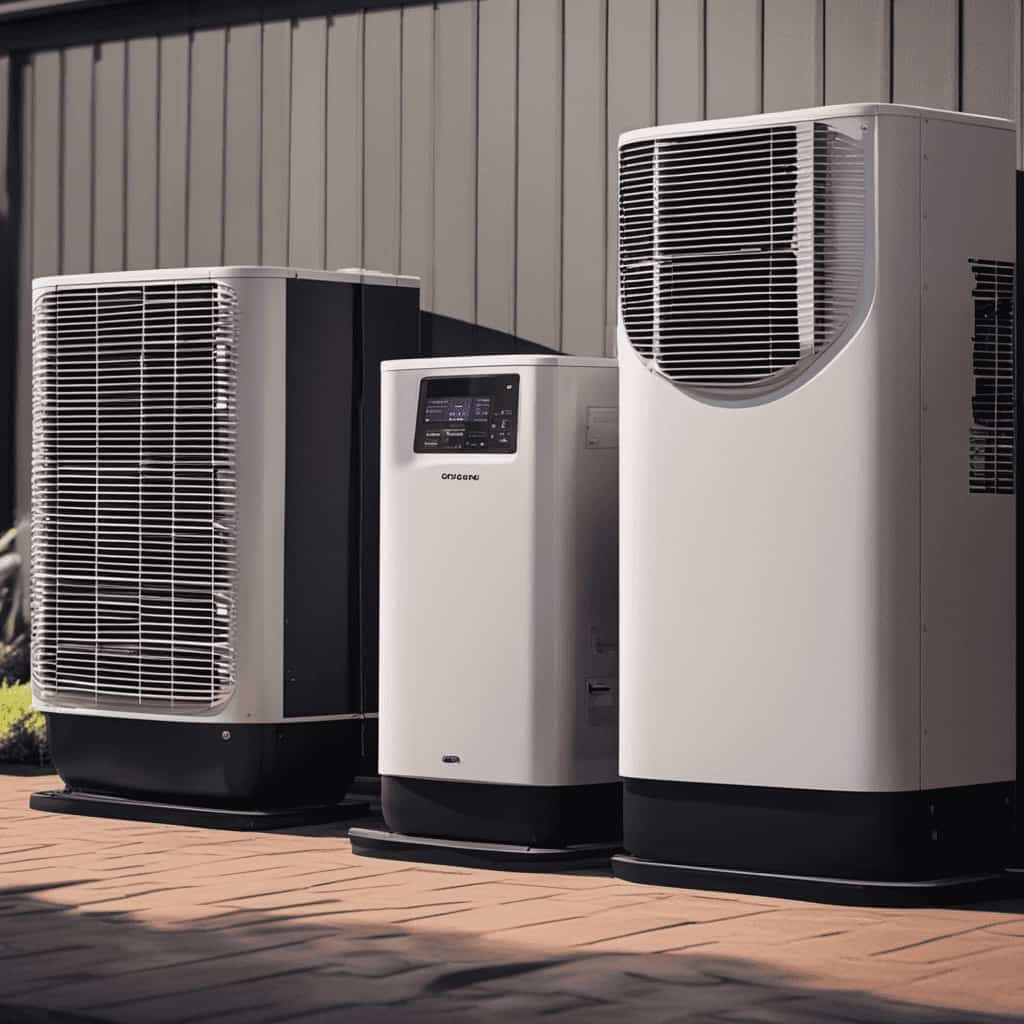
Here we are, beginning a journey to decode the more environmentally friendly heat pumps.
As we delve into the realm of geothermal energy, solar power, biomass, wind energy, and hydroelectric power, we aim to uncover the secrets behind their efficiency.
Join us on this data-driven journey as we explore the technical aspects and solutions that make these heat pump systems sustainable.
Get ready to guess and embrace the mastery of eco-friendly heat pump technology.

Key Takeaways
- Geothermal heat pumps have higher efficiencies compared to traditional air-source heat pumps.
- Solar powered heat pump designs harness renewable energy and reduce carbon emissions.
- Biomass derived from organic materials can provide a viable alternative to traditional fossil fuels.
- Wind energy integration reduces reliance on traditional grid electricity generated from fossil fuels.
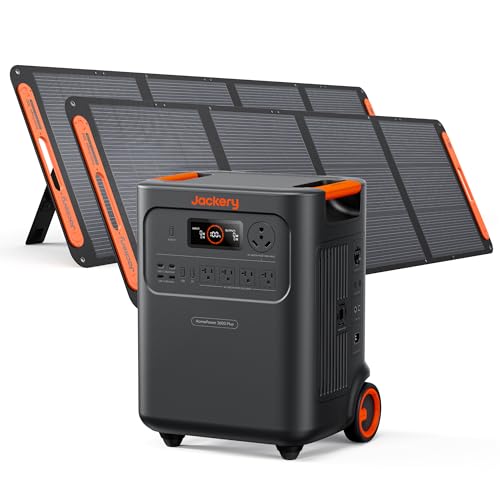
Jackery HomePower 3600 Plus Portable Power Station with 2X 200W Solar Panels, 3600W AC Output, 3584Wh LFP Solar Generator, Expandable up to 21kWh, Essential Home Backup for Home Use, Emergencies, RV
- High Power Output: 3600W AC output for home appliances
- Expandable Capacity: Up to 21kWh with multiple units
- Dual Voltage Support: 120V & 240V in parallel
As an affiliate, we earn on qualifying purchases.
The Role of Geothermal Energy in Heat Pump Efficiency
Geothermal energy significantly improves heat pump efficiency. By utilizing the Earth’s natural heat, geothermal heat pumps optimize energy usage while providing heating and cooling solutions.
There are several advantages to using geothermal energy in heat pump systems. Firstly, geothermal heat pumps have higher efficiencies compared to traditional air-source heat pumps. This means that they require less energy input to produce the same amount of heating or cooling output.
Additionally, geothermal systems are more reliable and durable, requiring less maintenance and having longer lifespans. However, it’s important to acknowledge the limitations of geothermal energy. The high initial installation costs and the need for suitable geological conditions can pose challenges.
Nevertheless, advancements in technology and government incentives are making geothermal energy increasingly accessible and cost-effective. By harnessing the advantages of geothermal energy and addressing its limitations, we can further enhance heat pump efficiency and contribute to a sustainable future.


ECO WORTHY 10000W Output Complete Off-Grid Solar Panel Kit for Home| 10KW 120V/240V Output Split Phase Inverter| 48V 314Ah16.1kWh High Capacity Energy Storage| 2950W Solar Panel PV| Whole House System
- Power Output: 10kW with split-phase support
- Solar Panels: Five 590W panels, 2950W capacity
- Energy Storage: 48V 314Ah LiFePO4 battery, 16.1 kWh
As an affiliate, we earn on qualifying purchases.
Harnessing Solar Power for Sustainable Heat Pump Systems
We can also utilize solar power in our heat pump systems, increasing their sustainability and efficiency. Solar powered heat pump designs have gained popularity due to their ability to harness renewable energy and reduce carbon emissions.
These systems consist of solar panels that capture sunlight and convert it into electricity, which is then used to power the heat pump. The benefits of solar heat pumps are significant. Firstly, they rely on a clean and abundant energy source, reducing reliance on fossil fuels.
Secondly, they can provide heating and cooling for residential and commercial buildings, making them versatile and cost-effective. Additionally, solar heat pumps can reduce electricity bills and contribute to a greener future by decreasing greenhouse gas emissions.
Exploring Biomass as a Renewable Energy Source for Heat Pumps
But when it comes to exploring biomass as a renewable energy source for heat pumps, there are some promising options to consider. Biomass, derived from organic materials such as wood pellets, agricultural waste, and dedicated energy crops, can provide a viable alternative to traditional fossil fuels. However, integrating biomass into heat pump systems does come with its own set of challenges.
Here are five key considerations:
-
Feedstock availability: Ensuring a consistent supply of biomass feedstock is crucial for maintaining reliable heat pump operations.
-
Efficiency and emissions: Optimizing combustion processes and utilizing advanced technologies can enhance the efficiency of biomass heat pumps while minimizing emissions.
-
Fuel storage and handling: Proper storage and handling practices are essential to prevent moisture, degradation, and safety hazards.

-
System integration: Integrating biomass heat pumps into existing heating systems requires careful planning and consideration of infrastructure requirements.
-
Policy and regulations: Supportive policies and regulations can incentivize the adoption of biomass heat pumps and facilitate their integration into the energy landscape.
Wind Energy Integration in High-Efficiency Heat Pump Technology
Our goal is to explore the potential of wind energy integration in high-efficiency heat pump technology.
Wind energy integration refers to the combination of wind power generation with heat pump systems to enhance their overall energy efficiency. By harnessing wind energy, heat pumps can reduce their reliance on traditional grid electricity, which is often generated from fossil fuel sources. This integration can lead to significant reductions in greenhouse gas emissions and fossil fuel consumption.

Additionally, wind energy integration can enhance the geothermal energy efficiency of heat pumps by providing an additional source of renewable power. This not only improves the environmental sustainability of heat pump systems but also contributes to the overall decarbonization of the heating sector.
Utilizing Hydroelectric Power for Eco-Friendly Heat Pump Solutions
Hydroelectric power can frequently be utilized as an eco-friendly energy source for heat pump solutions. With advancements in heat pump technology, the efficiency of utilizing hydroelectric power has significantly improved. Here are five key points to consider:
- High Efficiency: Hydroelectric power offers a highly efficient energy source for heat pumps, providing a reliable and sustainable solution.
- Renewable Energy: Hydroelectric power is a renewable energy source that relies on the natural flow of water, reducing the reliance on fossil fuels and minimizing environmental impact.
- Cost Savings: By harnessing hydroelectric power, heat pump systems can reduce energy costs and provide long-term savings.
- Reduced Carbon Footprint: Utilizing hydroelectric power helps to reduce greenhouse gas emissions, contributing to a cleaner and more sustainable environment.
- Scalability: Hydroelectric power can be easily scaled up or down depending on the heating requirements, making it a flexible solution for various applications.
Frequently Asked Questions
How Much Does It Cost to Install a Geothermal Heat Pump System?
Geothermal heat pump installation cost varies depending on factors such as size and location. However, there are solar powered heat pump incentives available that can help offset the initial investment and make it more affordable.
Are There Any Government Incentives or Rebates Available for Installing a Solar-Powered Heat Pump System?
There are government incentives and rebates available for installing solar-powered heat pump systems. These incentives aim to encourage the adoption of renewable energy technologies and can help offset the initial cost of installation.

What Are the Advantages of Using Biomass as a Renewable Energy Source for Heat Pumps?
Using biomass as a renewable energy source for heat pumps offers numerous advantages. It reduces carbon emissions, promotes sustainability, and provides a reliable and efficient energy solution. Biomass is a valuable resource in our quest for eco-friendlier heat pumps.
Can Wind Energy Be Used to Power a High-Efficiency Heat Pump System in Areas With Low Wind Speeds?
In areas with low wind speeds, there are limitations to using wind energy to power a high-efficiency heat pump system. We must consider alternative energy sources or adapt the system to overcome these challenges.
Are There Any Limitations or Challenges in Utilizing Hydroelectric Power for Eco-Friendly Heat Pump Solutions?
Limitations and challenges exist when utilizing hydroelectric power for eco-friendly heat pump solutions. Factors such as location, infrastructure, and water availability can affect the feasibility and efficiency of harnessing this renewable energy source.
Conclusion
In conclusion, by exploring alternative energy sources such as geothermal, solar, biomass, wind, and hydroelectric power, we can unlock the potential for eco-friendlier heat pump systems.

These technologies offer efficient and sustainable solutions for heating, minimizing our carbon footprint, and promoting a greener future.
Just as a painter blends colors to create a masterpiece, integrating these renewable energy sources into heat pumps will create a harmonious and environmentally-conscious heating system for a brighter tomorrow.