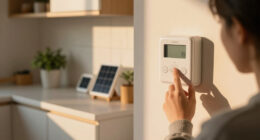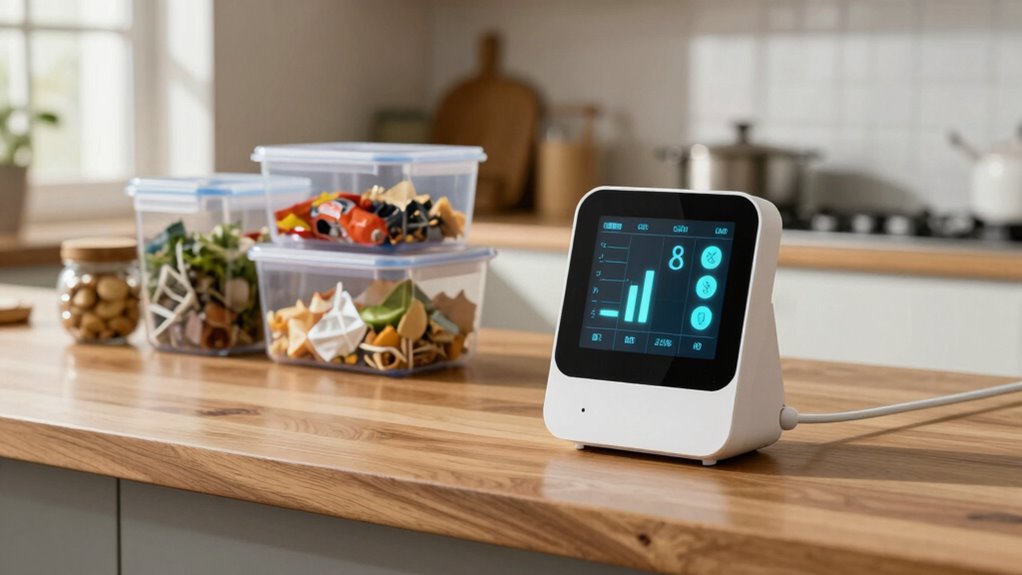

With a smart home monitoring setup, you can uncover hidden water and energy waste by using sensors that track your usage in real time. These sensors detect unnecessary consumption, like lights or electronics left on or rooms heated unintentionally. They also identify devices running when you’re not home. By analyzing this data, you’ll find simple ways to save money and resources. Keep exploring to discover how these smart solutions can help you optimize your home even further.
Open a free Amazon Business account
Business pricing, bulk buying and tax-exempt orders.
As an affiliate, we earn on qualifying purchases.
Key Takeaways
- Smart sensors detect unnecessary energy use, such as lights or electronics left on, revealing hidden waste.
- Leak detectors identify unseen water wastage, preventing damage and reducing utility costs.
- Energy meters monitor device-specific consumption to pinpoint inefficiencies and optimize resource use.
- Motion sensors reveal rarely-used rooms, enabling targeted heating or cooling to save energy.
- Data analysis from sensors helps homeowners make informed decisions to reduce hidden waste sustainably.

Are you ready to enhance your home’s security and convenience? Setting up a home monitoring system can seem straightforward, but it often reveals more than just intruders—hidden waste and inefficiencies lurking in everyday routines. When you start integrating smart sensors into your setup, you gain real-time insights into energy use, waste, and security breaches. However, with this power comes the responsibility to handle privacy concerns carefully. Smart sensor integration allows you to monitor everything from water usage to appliance activity, helping you identify unnecessary consumption or wasteful habits. For example, motion sensors can tell you if lights or electronics stay on longer than needed, highlighting areas where energy is being wasted. You might discover that certain rooms are heated or cooled unnecessarily or that appliances run when nobody’s home, all of which contribute to higher utility bills and environmental impact. Incorporating real-time data analysis can further enhance your ability to respond swiftly to inefficiencies as they occur.
While these sensors bring transparency, they also raise privacy concerns. You’ll need to establish boundaries around data collection, ensuring that sensitive information isn’t accessible to unauthorized parties. This means choosing secure, encrypted systems and being cautious about what data you share or store online. It’s tempting to let the system track every movement or activity, but over-monitoring can feel invasive and lead to discomfort or mistrust. Striking a balance between security and privacy is essential. Implementing clear policies about who can access the monitoring data and how it’s used will help you maintain control without feeling like you’re constantly watched. Data privacy is a critical aspect to consider when deploying these systems. Additionally, understanding the role of fabric technology in reducing environmental impact can help you make more sustainable choices in your home.
Balance security and privacy by using encrypted systems and clear data access policies to maintain control and trust.
Beyond privacy, these smart sensors expose waste in ways you might not have noticed before. For example, a leak detector can reveal hidden water wastage, saving you from costly damage or high water bills. Motion sensors can identify rooms that are seldom used, prompting you to reconsider heating or cooling strategies. Smart energy meters show you which devices consume the most power, helping you cut down on unnecessary usage. This kind of detailed insight makes it easier to make smarter decisions about resource management and reduce waste. Incorporating smart sensor integration can significantly enhance your ability to optimize resource use and identify inefficiencies that might otherwise go unnoticed. Additionally, using energy monitoring tools can help you track consumption patterns over time, making it easier to implement long-term savings strategies. Over time, you’ll see how small adjustments—like turning off unused appliances or optimizing heating schedules—can add up to significant savings.
In the end, a well-designed home monitoring setup not only boosts security but also uncovers hidden waste, allowing you to live more efficiently. Just remember, while embracing smart technology, always stay mindful of your privacy. By balancing smart sensor integration with responsible data handling, you’ll create a safer, more sustainable home where convenience and efficiency go hand in hand.
As an affiliate, we earn on qualifying purchases.
Frequently Asked Questions
How Much Does the Monitoring Equipment Typically Cost?
Monitoring equipment usually costs between $200 and $1,000, depending on features and setup complexity. When you do a cost comparison, you’ll see that investing in durable equipment can save you money long-term by reducing replacement costs. Durable devices ensure reliable data collection over time, making your home monitoring more effective and cost-efficient. Consider your needs and budget to find equipment that balances affordability with durability.
What Are the Privacy Implications of Home Monitoring?
Home monitoring raises privacy concerns since it involves collecting sensitive data, so you should prioritize data security to prevent breaches. You might feel uneasy about continuous surveillance, which touches on surveillance ethics, especially if you’re unaware of who accesses your information. To protect yourself, make sure your devices have strong security measures, understand data sharing policies, and stay informed about how your data is used, respecting your privacy rights.
Can the Setup Be Installed Without Professional Help?
You can definitely install the setup yourself, like carefully threading tiny cables or snapping sensors into place, creating a rhythm of hands-on work. With clear instructions, DIY installation becomes manageable, and your eyes become your troubleshooting tool, spotting issues early. You’ll feel a sense of accomplishment as you connect each component, ensuring everything runs smoothly. Just stay patient, follow the step-by-step guide, and troubleshoot user errors confidently along the way.
How Accurate Are the Waste Detection Sensors?
You’ll find that waste detection sensors are quite accurate when properly calibrated, guaranteeing reliable data. Regular sensor calibration is essential to maintain precision over time. Rest assured, data security measures protect your information from unauthorized access, keeping your monitoring setup safe. While the sensors provide precise waste detection, occasional calibration helps sustain accuracy, and robust data security ensures your privacy isn’t compromised.
What Maintenance Is Required for the Monitoring Devices?
You’ll need to regularly calibrate your sensors to guarantee accurate waste detection. Check the calibration settings every few months and follow the manufacturer’s instructions for adjustments. Keep the devices clean and free from dust or debris, which helps maintain device longevity. Also, inspect power sources and connections periodically, replacing batteries or fixing wiring as needed. Proper maintenance ensures your monitoring system stays reliable and effective over time.
As an affiliate, we earn on qualifying purchases.
Conclusion
By setting up a home monitoring system, you shine a spotlight on hidden waste, turning your home into a vigilant guardian. It’s like having a magnifying glass that reveals what’s often overlooked, helping you cut costs and save resources. Don’t let waste sneak past unnoticed—your smart monitoring setup acts as a trusty lighthouse, guiding you toward a more efficient and sustainable home. Embrace this tool, and watch waste fade into the shadows where it belongs.
wireless motion sensors for home
As an affiliate, we earn on qualifying purchases.
As an affiliate, we earn on qualifying purchases.
As an affiliate, we earn on qualifying purchases.
NFL season / tailgating Picks
team gear
As an affiliate, we earn on qualifying purchases.