
Picture a world where we have the ability to completely transform how we take care of our planet. By utilizing **energy-efficient heat pumps**, we can truly make a significant difference in our environment. Join the movement and be a part of the solution for a greener future!

Get backup power and energy gear delivered free — and shop member deals
- Fast, free delivery on millions of items
- Access to Prime Big Deal Days deals on October 6–7
- Prime Video, Amazon Music and more included
These innovative systems not only reduce our carbon footprint but also offer numerous benefits. From lower energy bills to increased comfort, the future of Earth care lies in embracing these cutting-edge solutions.
Let us embark on this journey together and pave the way for a greener and more sustainable future.
Key Takeaways
- Traditional heating systems contribute to climate change and air pollution.
- Heat pumps are highly efficient and do not burn fossil fuels, reducing carbon emissions.
- Energy-efficient heat pumps reduce greenhouse gas emissions and conserve energy resources.
- Transitioning to energy-efficient heat pumps is a cost-effective and environmentally friendly choice.
energy-efficient heat pump for home
As an affiliate, we earn on qualifying purchases.
As an affiliate, we earn on qualifying purchases.
The Environmental Impact of Traditional Heating Systems
We often overlook the detrimental environmental impact of traditional heating systems. These systems, which rely on the combustion of fossil fuels such as oil or gas, release harmful pollutants into the atmosphere. The negative effects of these emissions are far-reaching, with ecological consequences that can’t be ignored.
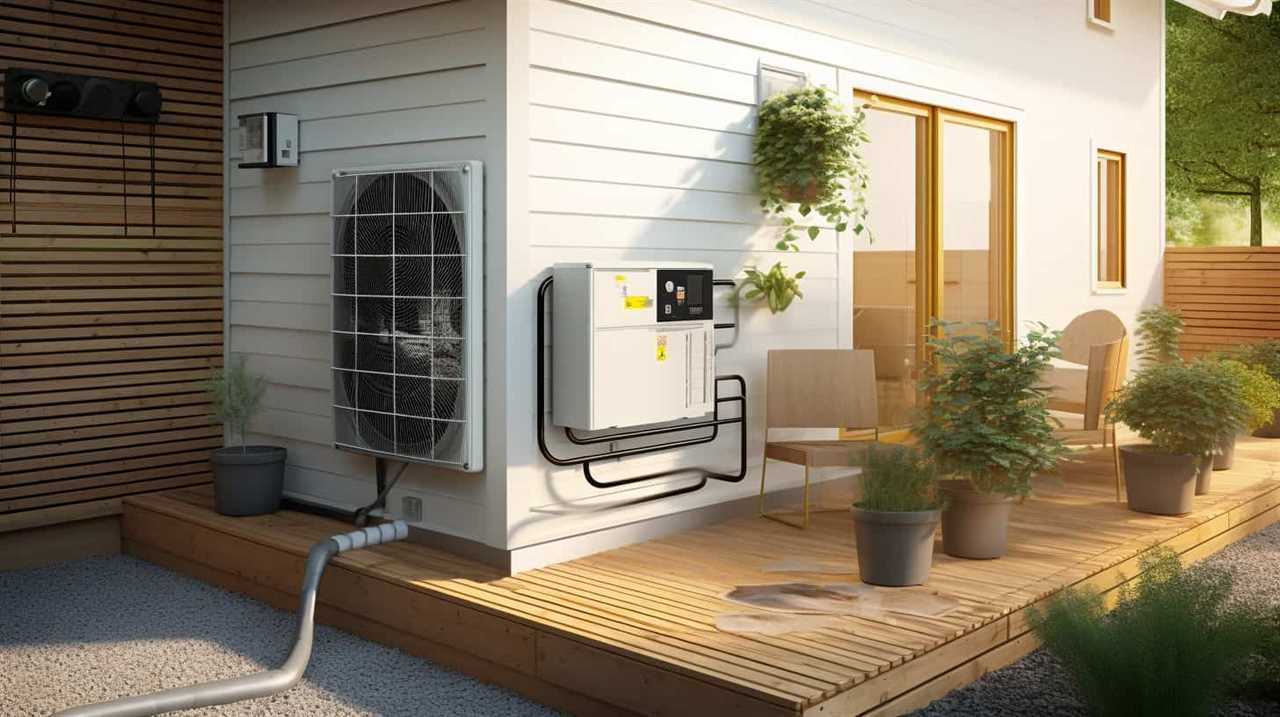
The release of carbon dioxide and other greenhouse gases contributes to climate change, leading to rising global temperatures and severe weather events. Additionally, traditional heating systems contribute to air pollution, which has detrimental effects on human health and the environment.
Understanding the ecological consequences of these systems is crucial in our pursuit of a more sustainable future. Transitioning to energy-efficient heat pumps can help mitigate these negative effects and pave the way for a greener and healthier planet.
As an affiliate, we earn on qualifying purchases.
Understanding the Energy Efficiency of Heat Pumps
To fully grasp the energy efficiency of heat pumps, it’s important to understand how they utilize and transfer heat. Heat pumps work by extracting heat from the air, ground, or water and transferring it into a building to provide heating. Unlike traditional heating systems, which generate heat by burning fossil fuels, heat pumps simply move heat from one place to another, making them highly efficient.
By using renewable sources of heat, such as the air or ground, heat pumps can significantly reduce carbon emissions. Additionally, heat pumps can be even more energy-efficient when combined with improvements in home insulation. This ensures that the heat produced by the pump stays inside the building, reducing the need for constant heating.

Moreover, government incentives for renewable energy can further incentivize homeowners to switch to heat pumps, as they promote sustainable and energy-efficient solutions.
As an affiliate, we earn on qualifying purchases.
Benefits of Energy-Efficient Heat Pumps on the Environment
Energy-efficient heat pumps have a significant positive impact on the environment by reducing greenhouse gas emissions and conserving energy resources. Compared to solar panels, energy-efficient heat pumps offer several advantages.
While solar panels require sunlight to generate electricity, heat pumps use electricity to transfer heat from one place to another, making them suitable for all climates. Heat pumps also have a higher energy efficiency rating, meaning they provide more heating or cooling for the same amount of energy consumed.
Additionally, energy-efficient heat pumps are cost-effective compared to solar panels. They have lower upfront costs, require less maintenance, and have a longer lifespan.

energy-saving heat pump installation
As an affiliate, we earn on qualifying purchases.
As an affiliate, we earn on qualifying purchases.
Reducing Carbon Footprint With Energy-Efficient Heat Pumps
By utilizing energy-efficient heat pumps, we can greatly reduce our carbon footprint and contribute to a more sustainable future.
Transitioning to renewable energy sources is essential in mitigating climate change and protecting our environment. Energy-efficient heat pumps play a crucial role in this transition by harnessing the natural heat from the air, ground, or water to provide heating and cooling for our homes and buildings. They require less energy to operate compared to traditional heating and cooling systems, resulting in lower greenhouse gas emissions.
Moreover, government incentives play a significant role in promoting the adoption of energy-efficient heat pumps. These incentives, such as tax credits and rebates, make it more affordable for individuals and businesses to invest in this technology, accelerating the shift towards a greener and more sustainable future.
Let’s embrace energy-efficient heat pumps and make a collective effort to reduce our carbon footprint.

The Future of Earth Care: Embracing Energy-Efficient Heat Pumps
As we move forward, let’s actively engage in embracing and maximizing the potential of energy-efficient heat pumps for a greener and more sustainable future.
The future advancements in heat pump technology hold tremendous promise for revolutionizing earth care on a global scale. With the increasing awareness of climate change and the urgent need to reduce greenhouse gas emissions, energy-efficient heat pumps are emerging as a key solution.
These innovative systems utilize renewable energy sources such as air, water, or geothermal heat to provide heating and cooling for residential and commercial buildings. Their effectiveness in reducing carbon emissions and their potential for significant energy savings make them an ideal choice for the future.
Frequently Asked Questions
What Are Some Common Problems or Issues That Can Arise With Energy-Efficient Heat Pumps?
Some common issues with energy-efficient heat pumps include higher upfront costs, potential noise pollution, and limitations in extreme climates. However, these limitations are outweighed by the long-term energy savings and positive environmental impact.

How Do Energy-Efficient Heat Pumps Compare in Terms of Cost to Traditional Heating Systems?
When it comes to cost comparison, energy-efficient heat pumps can be more expensive upfront, but they have lower operating costs in the long run. Plus, they have a positive environmental impact, reducing our carbon footprint.
Are There Any Limitations or Restrictions to Installing Energy-Efficient Heat Pumps in Certain Homes or Buildings?
There may be limitations or restrictions to installing energy-efficient heat pumps in certain homes or buildings. These can include installation challenges, compatibility issues, and considerations regarding the environmental impact and energy savings potential.
Can Energy-Efficient Heat Pumps Be Used for Both Heating and Cooling Purposes?
Yes, energy-efficient heat pumps can be used for both heating and cooling purposes. They provide efficient heat pump efficiency, reducing environmental impact. They are a versatile and eco-friendly solution for homes and buildings.
Are There Any Government Incentives or Programs Available to Help Finance the Installation of Energy-Efficient Heat Pumps?
Yes, there are government incentives and financing programs available to help finance the installation of energy-efficient heat pumps. They make it easier for us to embrace this eco-friendly technology and contribute to a greener future.

Conclusion
In conclusion, let’s embrace the game-changers of earth care: energy-efficient heat pumps. These remarkable devices revolutionize our approach to heating, offering a more environmentally friendly alternative to traditional systems.
By reducing our carbon footprint and embracing these innovative solutions, we can pave the way towards a greener future for our planet. Together, we can make a significant impact and create a more sustainable world for generations to come.
Fall Picks
fall essentials
As an affiliate, we earn on qualifying purchases.