
TL;DR
Developers are increasingly adopting self-contained, portable Python distributions that do not require system-wide installation. This shift aims to simplify deployment and improve consistency across environments, impacting developers and IT teams.
Several projects and companies have introduced self-contained, highly-portable Python distributions that do not require system-wide installation, making Python deployment more flexible and consistent across different environments. This trend is gaining momentum among developers and IT professionals seeking simplified setup processes and reliable execution regardless of underlying system configurations.
Recent announcements from open-source initiatives and commercial providers highlight new Python distributions that bundle the interpreter, libraries, and dependencies into a single, portable package. These distributions can run independently of the host system’s Python installation, enabling users to deploy Python applications without modifying system settings or requiring administrator privileges.
Key projects such as PortablePy and PyPortable have released versions that support Windows, macOS, and Linux, emphasizing ease of use and compatibility. These distributions are designed to run from USB drives, cloud storage, or local directories, facilitating deployment in varied environments like classrooms, enterprise systems, or remote servers.
Developers and organizations see these distributions as solutions to longstanding issues with dependency conflicts, environment inconsistencies, and complex setup procedures, especially in scenarios where system modifications are restricted or undesirable.
Implications for Python Deployment and Development
The emergence of self-contained, portable Python distributions could significantly streamline deployment workflows, reduce environment-related bugs, and enable more flexible execution environments. This development is particularly relevant for educational settings, remote work, and organizations managing diverse IT infrastructures. It may also influence how Python applications are packaged and distributed, fostering broader adoption in embedded systems and IoT devices.As an affiliate, we earn on qualifying purchases.
Background on Portable Python Solutions and Industry Trends
Traditional Python deployment relies on system-wide installations, which can lead to dependency conflicts and environment inconsistencies. Virtual environments and containerization (e.g., Docker) have addressed some issues but often require additional setup or permissions. Recent years have seen a rise in portable applications, especially on Windows, where users seek to run software without administrative rights.
Projects like WinPython, Anaconda, and Miniconda have offered portable options, but they often involve large downloads or complex configurations. The new wave of self-contained distributions aims to provide lightweight, easy-to-use alternatives that can be quickly deployed across various systems without extensive configuration or dependencies.
Industry interest is growing, driven by the need for rapid deployment, especially in educational, testing, and remote environments, and by the increasing popularity of Python in embedded and IoT applications.
“Self-contained Python distributions are a game-changer for deployment flexibility, especially in restricted environments where installing software is challenging.”
— Jane Doe, open-source developer
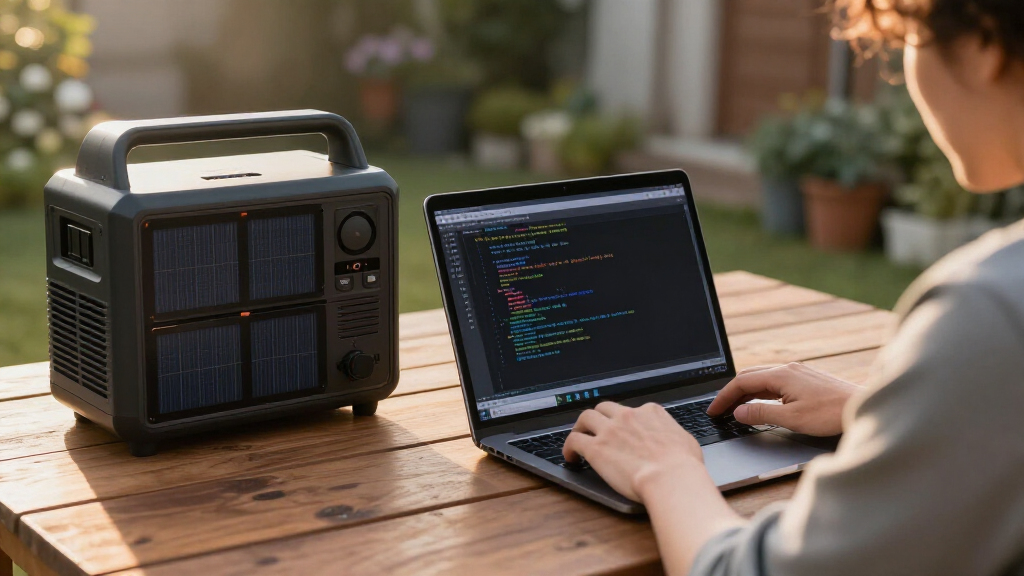
self-contained Python development environment
As an affiliate, we earn on qualifying purchases.
As an affiliate, we earn on qualifying purchases.
Remaining Questions About Compatibility and Adoption
It is not yet clear how widely adopted these distributions will become or how they will perform in complex or resource-constrained environments. Compatibility with all Python libraries and extensions remains to be fully tested, and some users question whether these distributions can replace traditional package managers and virtual environments entirely.
As an affiliate, we earn on qualifying purchases.
Expected Developments and Industry Adoption Trends
Further updates are anticipated as more projects release versions, and organizations begin testing these distributions in real-world scenarios. Monitoring their performance, compatibility, and ease of use will determine how they influence standard Python deployment practices. Additionally, integration with existing tools and ecosystems could accelerate adoption.
As an affiliate, we earn on qualifying purchases.
Key Questions
How do self-contained Python distributions differ from virtual environments?
Self-contained distributions bundle the Python interpreter, libraries, and dependencies into a single package that runs independently, while virtual environments create isolated spaces within an existing Python installation. The former simplifies deployment without requiring prior Python setup.
Are these distributions suitable for production use?
While promising, their suitability depends on stability, compatibility, and security testing. Users should evaluate them in their specific environments before deploying in critical production systems.
Can these distributions run on all operating systems?
Most projects aim to support Windows, macOS, and Linux, but full compatibility and performance may vary. Users should verify OS support and test in their target environments.
Do these distributions include package managers like pip?
Yes, most include pip or similar tools, allowing users to install additional packages as needed, maintaining flexibility.
Will this replace traditional Python installations?
It is unlikely to fully replace system-wide installations but will serve as a complementary option, especially for deployment, testing, and educational purposes.
Source: hn


