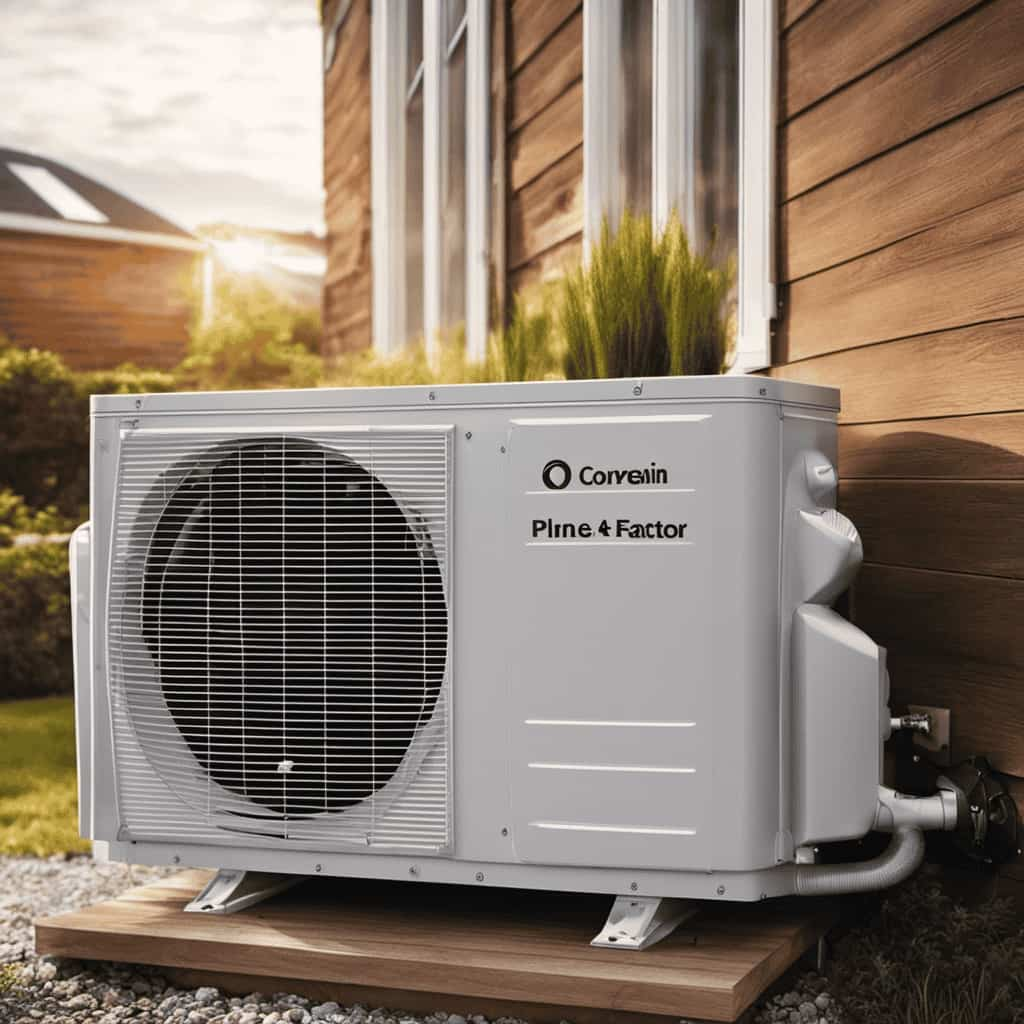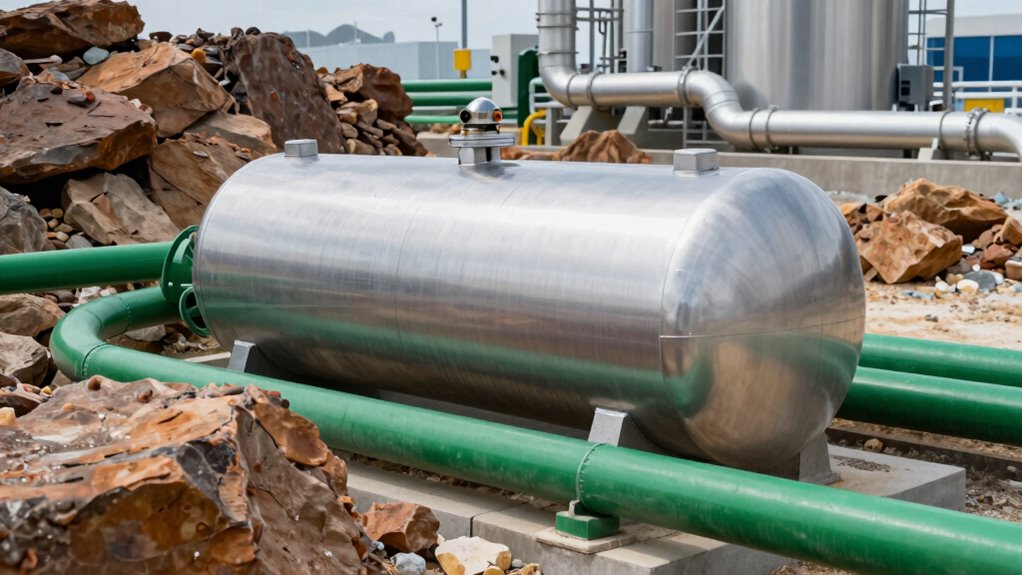

Buffer tanks appear in better geothermal designs because they help regulate temperature fluctuations, preventing rapid on/off cycles that can wear out equipment. They absorb excess heat or cold, which improves system efficiency and reduces operational costs. Buffer tanks also enhance resilience, allowing your system to handle demand changes smoothly. By maintaining steady temperatures and protecting components, they extend the lifespan of your system. To discover more about how these tanks improve geothermal performance, keep exploring this topic further.

Get backup power and energy gear delivered free with Prime
- Fast, free delivery on millions of items
- Prime Video, Amazon Music and more included
- Member-only deals all year
Key Takeaways
- Buffer tanks improve thermal stability, preventing temperature swings and enhancing system efficiency.
- They reduce equipment wear by smoothing system load demands and minimizing short cycling.
- Buffer tanks increase system resilience by handling demand fluctuations and seasonal variations.
- They enable longer, optimized operation cycles, protecting components and maintaining peak performance.
- Properly designed buffer tanks enhance overall geothermal system efficiency and longevity.
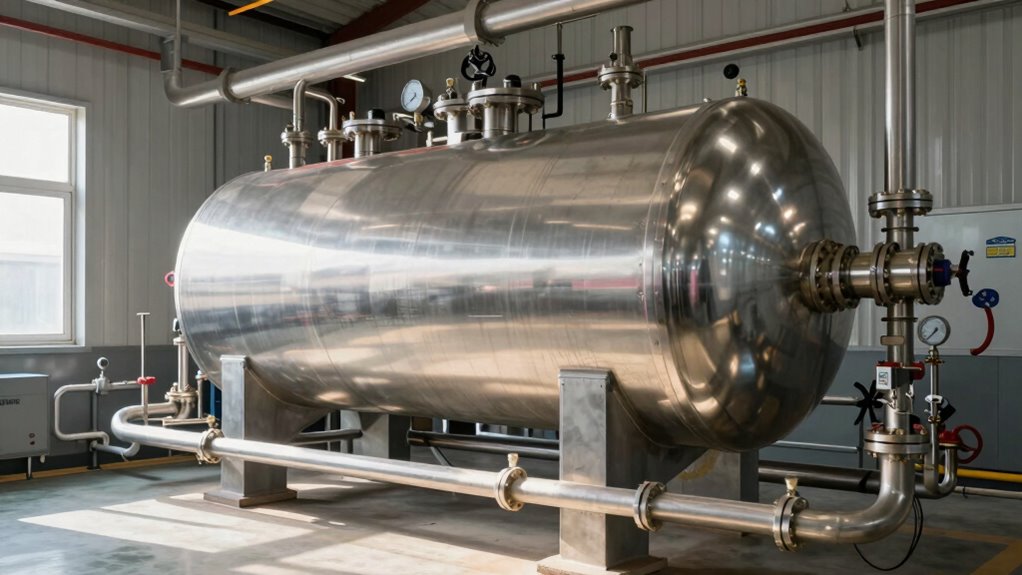
Buffer tanks play a essential role in geothermal heating and cooling systems by helping to stabilize temperature fluctuations and improve overall efficiency. When you include a buffer tank in your system, you’re creating a reservoir that stores excess thermal energy, which helps maintain consistent temperatures throughout the system. This stability is key because it prevents rapid temperature swings that could strain your equipment or reduce its lifespan. By smoothing out these fluctuations, buffer tanks contribute greatly to better thermal regulation, ensuring your geothermal system operates smoothly and reliably.
When your system can better regulate temperature, it naturally becomes more efficient. Without a buffer tank, your geothermal heat pump might cycle on and off more frequently, trying to meet fluctuating demands. These short cycles waste energy and put unnecessary wear on the compressor. A buffer tank acts as a thermal buffer, absorbing excess heat or cold, so the heat pump runs for longer, more effective periods. This not only maximizes energy use but also reduces operational costs over time. As a result, your system’s efficiency improves because it minimizes unnecessary cycling and maximizes the thermal transfer process.
Another advantage of incorporating buffer tanks is their role in balancing the load on your geothermal system. When heating or cooling demands change unexpectedly, the buffer tank absorbs the impact, preventing sudden pressure or temperature spikes. This stability helps your system respond more predictably and prevents potential damage or inefficiencies caused by abrupt changes. It also means your geothermal system can handle larger fluctuations in demand without sacrificing performance. As a result, you gain a more resilient, efficient setup that’s better prepared for varying seasonal or daily temperature needs.
Furthermore, buffer tanks support better system control. They allow your system to operate at ideal settings for longer periods, reducing the frequency of on/off cycles. This consistency enhances the longevity of critical components and ensures your geothermal system maintains peak performance. Plus, with improved thermal regulation, your system can more precisely match energy output to actual demand, avoiding wasteful overshoots or undershoots. This precise management boosts overall system efficiency and helps you save on energy bills while extending the lifespan of your equipment. Incorporating system efficiency can further optimize your geothermal setup by reducing energy consumption and operational costs. Additionally, proper system design can maximize the benefits of buffer tanks by ensuring optimal placement and sizing for your specific needs. Implementing system controls can also help fine-tune performance and further enhance efficiency.
In addition, incorporating landscaping can enhance the overall efficiency of your geothermal system by improving heat exchange with the surrounding environment. Implementing monitoring systems can also help track performance metrics and identify areas for further optimization.
In short, adding a buffer tank in your geothermal design isn’t just about easing system operation—it’s about creating a more effective, durable, and energy-efficient heating and cooling solution. It’s a smart choice that offers superior thermal regulation and maximizes system efficiency, ensuring your investment delivers reliable comfort and long-term savings.
buffer tank for geothermal system
As an affiliate, we earn on qualifying purchases.
As an affiliate, we earn on qualifying purchases.
Frequently Asked Questions
How Do Buffer Tanks Affect Overall System Efficiency?
Buffer tanks enhance your geothermal system’s efficiency by providing thermal regulation and heat stabilization. They store excess heat, preventing short cycling of the heat pump, which saves energy and reduces wear. This consistent temperature control ensures ideal operation, minimizes energy loss, and improves overall system performance. By maintaining stable heat flow, buffer tanks help you achieve better energy efficiency and extend the lifespan of your geothermal system.
What Are the Cost Implications of Including Buffer Tanks?
Ironically, including buffer tanks might seem like an extra expense, but they often lead to cost reduction in the long run. You’ll save on energy and maintenance costs, while optimizing space in your system. Although the initial investment is higher, the enhanced efficiency and longevity of your geothermal setup justify the expense. Ultimately, buffer tanks help you achieve a smarter, more sustainable, and cost-effective design.
How Do Buffer Tanks Impact System Maintenance Requirements?
Buffer tanks can increase your system’s maintenance requirements due to potential sediment buildup and corrosion, which may affect their longevity. You’ll need regular inspections and cleaning to guarantee efficient operation. Additionally, installation challenges might arise, especially with space constraints or complex piping, impacting overall upkeep. Properly maintained buffer tanks, however, typically last longer and improve system reliability, making them a worthwhile investment despite the extra maintenance they require.
Can Buffer Tanks Be Customized for Different Geothermal Setups?
Yes, you can customize buffer tanks for different geothermal setups by adjusting tank insulation and addressing installation challenges. Proper insulation helps optimize energy efficiency, while tailored designs guarantee the tank fits your system’s specific space and flow requirements. You might face installation challenges like integrating the tank with existing piping or ensuring proper placement, but customizing these aspects allows for better system performance and easier maintenance tailored to your geothermal setup.
What Are Common Size Options for Buffer Tanks in Geothermal Systems?
You’ll find buffer tanks in sizes ranging from 20 to 100 gallons for smaller systems, and up to 500 gallons or more for larger setups. You need to choose a size that balances system capacity and efficiency. When selecting, consider tank insulation to prevent heat loss and material durability to withstand thermal stresses. It’s a case of “bigger isn’t always better,” so pick a size that fits your specific geothermal needs.
thermal buffer tank for heating and cooling
As an affiliate, we earn on qualifying purchases.
As an affiliate, we earn on qualifying purchases.
Conclusion
Buffer tanks are essential in optimizing your geothermal system’s performance, ensuring stability, and protecting components from temperature fluctuations. They act as a safeguard, allowing your system to operate smoothly and efficiently. Isn’t it worth investing in a design that prolongs equipment life and saves energy? By including buffer tanks, you’re not just improving current performance—you’re building a more reliable, sustainable future for your heating and cooling needs. Isn’t that the kind of system you want to rely on?
geothermal heat pump buffer tank
As an affiliate, we earn on qualifying purchases.
As an affiliate, we earn on qualifying purchases.
As an affiliate, we earn on qualifying purchases.
Halloween Picks
halloween
As an affiliate, we earn on qualifying purchases.