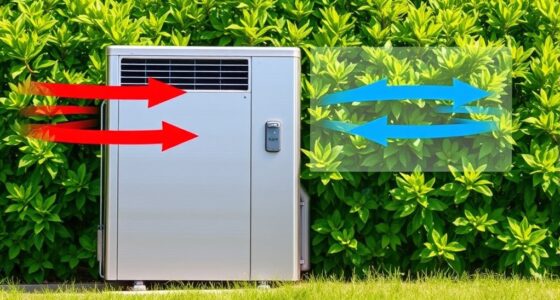
When selecting a backup heat source for cold climates, prioritize reliability, quick heating, and fuel efficiency. Look for systems with thermal storage options like insulated tanks or heat batteries, which store excess heat for later use. Modern propane or natural gas units with high efficiency ratings are ideal, helping you save on fuel costs while maintaining warmth during outages or extreme cold. Keep in mind that proper sizing and regular maintenance ensure maximum performance—exploring these options further can help you make the best choice.

Get backup power and energy gear delivered free — and shop member deals
- Fast, free delivery on millions of items
- Access to Prime Big Deal Days deals on October 6–7
- Prime Video, Amazon Music and more included
Key Takeaways
- Choose a fuel source with high efficiency and quick heating capabilities to ensure reliable backup during extreme cold.
- Incorporate thermal storage systems like insulated tanks or heat batteries to store excess heat for extended cold spells.
- Ensure the backup system is properly sized to match your home’s heating demands and optimize fuel use.
- Prioritize systems with advanced controls for efficient operation and minimal fuel consumption during outages.
- Consider long-term costs, maintenance needs, and resilience features to select a durable, cost-effective backup heat source.
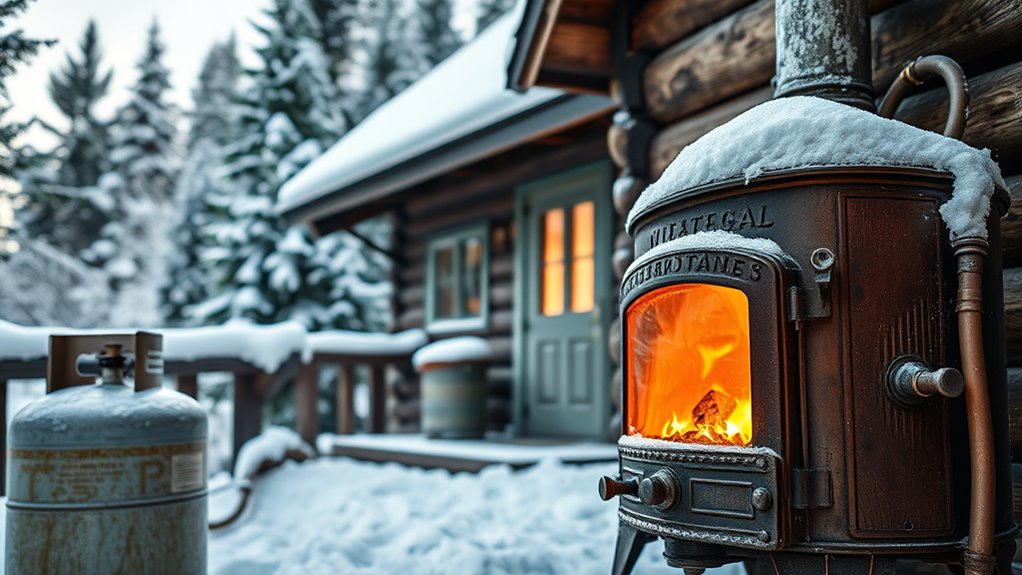
In cold climates, having a reliable backup heat source is essential to guarantee your home stays warm during power outages or extreme cold snaps. Choosing the right system involves understanding how thermal storage and fuel efficiency can impact your comfort and costs. Thermal storage allows you to store excess heat during off-peak periods or when energy is cheaper, then release it when needed. This way, you can maximize energy use without constantly running the backup system, saving you money and reducing wear on your primary heating. By integrating thermal storage, you assure a steady supply of heat even if the power goes out, giving you peace of mind during severe weather events. Additionally, selecting a backup system with adjustable controls can help fine-tune heat output, further improving efficiency and comfort. Fuel efficiency plays a fundamental role in selecting a backup heat source. An efficient system uses less fuel to generate the same amount of heat, which not only cuts your operating costs but also minimizes environmental impact. For instance, modern propane or natural gas units often boast high efficiency ratings, meaning they convert most of their fuel into usable heat. This efficiency is especially important in cold climates where the system might run frequently. A highly fuel-efficient backup reduces the amount of fuel you need to stockpile or purchase, making it easier and more economical to maintain during extended cold spells. When evaluating different options, consider how quickly each system can heat your space and how well it maintains consistent warmth. Systems with thermal storage, such as heat batteries or insulated tanks, can be particularly advantageous because they allow you to charge the storage during milder weather or off-peak hours. This means you’ll have a reserve of heat ready to use when demand spikes, without overtaxing your fuel supply. Additionally, look for models with advanced controls that optimize fuel use based on your home’s heating needs, further enhancing fuel efficiency. It’s also essential to factor in installation and operational costs. While some backup systems may have higher upfront prices, their superior thermal storage capabilities and fuel efficiency can make them more cost-effective over time. Properly sizing your backup heat source ensures it provides enough power without unnecessary excess, which helps conserve fuel and improve overall efficiency. Regular maintenance and monitoring can also keep the system running at peak performance, ensuring you get maximum benefit from your investment. Furthermore, choosing a backup heat source with thermal storage capabilities can significantly improve your home’s resilience during prolonged cold periods. Ultimately, selecting a backup heat source that emphasizes thermal storage and fuel efficiency will keep your home warm reliably during the coldest days. It reduces ongoing costs, minimizes environmental impact, and provides peace of mind when severe weather strikes. By focusing on these key factors, you guarantee your home remains comfortable and protected, no matter how harsh the winter gets.
Frequently Asked Questions
How Do I Calculate the Total Backup Heat Capacity Needed?
To calculate the backup heat capacity needed, start with heat loss calculations for your space, considering factors like insulation requirements, window size, and outdoor temperature. Add a margin for safety and future expansion. This ensures your backup system can handle peak cold conditions. Accurate heat loss calculations help determine the right size, preventing under or over-sizing, and ensuring reliable warmth during the coldest days.
What Are the Long-Term Costs of Different Backup Heat Options?
Your backup heat options can be as costly as a small fortune over time. When comparing costs, consider the initial investment, fuel prices, and energy efficiency. Electric heaters may seem cheap upfront but can rack up high utility bills, while wood stoves require regular maintenance. Do a thorough cost comparison, including maintenance requirements, to find the most economical choice that keeps your home warm without draining your wallet long-term.
How Do Backup Systems Perform During Extremely Cold Temperatures?
During extremely cold temperatures, your backup system’s fuel efficiency becomes critical, as some options may struggle to operate effectively. You might face installation challenges, especially if the system isn’t designed for frigid conditions, which can affect performance. For reliable heating, choose a backup that maintains efficiency and is easy to install in cold climates, ensuring your home stays warm even during the harshest weather.
Are There Environmental Considerations for Backup Heat Sources?
Think of your backup heat source as a garden in full bloom; choosing eco-friendly options helps it thrive. You should consider renewable options like solar or geothermal, which reduce emissions impact and are gentler on the environment. Be mindful of local regulations and sustainability goals, ensuring your backup system supports a healthier planet. Opting for greener solutions minimizes your carbon footprint and keeps your home warm responsibly during cold months.
What Safety Precautions Are Necessary for Backup Heating Systems?
You should prioritize fuel safety by storing backup fuel properly and keeping it away from heat sources. Regular system maintenance is essential to prevent malfunctions and guarantee safe operation. Always check for leaks, clean vents, and follow manufacturer instructions. Installing carbon monoxide detectors and ensuring proper ventilation also help protect against hazards. These precautions keep your backup heating system safe, reliable, and effective during cold weather emergencies.
Conclusion
So, next time your main heat source decides to take a vacation, remember that a backup isn’t just a luxury—it’s a life saver, or at least a warm body. Sure, choosing the right one might seem like overthinking, but hey, nothing says “prepared” like having a cozy fallback when the cold bites back. After all, why suffer in silence when you can laugh in the face of winter’s worst? Stay warm, stay smart.
Fall Picks
fall essentials
As an affiliate, we earn on qualifying purchases.