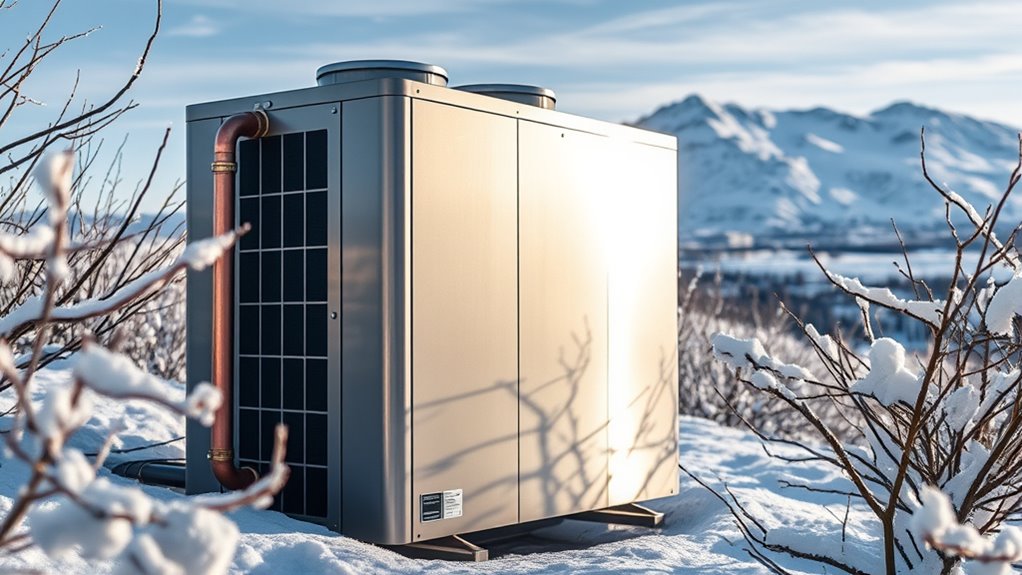

Cold climate heat pumps now use advanced frost protection and efficient refrigerants to keep working reliably in harsh winter conditions. They feature smart components like variable-speed fans and compressors that adapt to outdoor temperatures, preventing ice buildup and ensuring consistent warmth. Durable materials help them withstand snow and ice, extending their lifespan. If you explore further, you’ll discover how these innovations make cold weather heating practical and energy-efficient for your home.
Key Takeaways
- Advanced frost protection features enable continuous operation during winter storms, preventing ice buildup on outdoor coils.
- Improved low-temperature refrigerants enhance heat transfer efficiency in cold environments.
- System components like variable-speed compressors and fans optimize performance and energy use in cold conditions.
- Durable materials resist corrosion and damage from snow and ice, extending system lifespan.
- Overall technological innovations ensure reliable, efficient heating even in extreme winter temperatures.

Heating your home efficiently in cold climates can be challenging, but modern heat pumps are changing that. These advanced systems are designed to operate effectively even when outdoor temperatures drop well below freezing. One key innovation that enables this performance is improved frost protection. Traditional heat pumps often struggled with frost buildup on the outdoor coil, which could reduce efficiency or cause system shutdowns. Today’s models incorporate sophisticated frost protection mechanisms, such as defrost cycles and special coatings, that prevent ice accumulation without sacrificing heating performance. This guarantees your heat pump continues to run smoothly during winter storms, providing consistent warmth without interruption.
Modern heat pumps with improved frost protection ensure reliable, efficient heating even in severe winter weather.
Another essential factor is refrigerant efficiency. In cold climates, the refrigerant’s ability to absorb and release heat at low temperatures becomes indispensable. Modern refrigerants are engineered to have higher efficiency, meaning they can transfer more heat even when the outdoor air is frigid. This enhancement allows heat pumps to operate at lower energy costs and maintain a steady flow of warm air into your home. The use of environmentally friendly refrigerants with better thermodynamic properties also helps reduce the system’s carbon footprint while boosting performance. When refrigerant efficiency is optimized, your heat pump can deliver reliable heating without constantly working at maximum capacity, which saves energy and extends the lifespan of the system.
Furthermore, these improvements in frost protection and refrigerant efficiency are complemented by advances in compressor technology and variable-speed fans. These components adapt to changing outdoor conditions, ensuring the system runs as efficiently as possible. For example, when temperatures are just above freezing, the heat pump can modulate its output, avoiding unnecessary energy consumption. If frost begins to develop, the system automatically switches to defrost mode, melting ice without halting heating altogether. These smart adjustments not only enhance comfort but also optimize energy use, making heat pumps a cost-effective solution in cold climates.
In addition, modern heat pumps are designed with durable materials that withstand harsh winter conditions, preventing corrosion and damage caused by ice and snow. This durability, combined with frost protection features and high refrigerant efficiency, ensures your system remains reliable year after year. Innovations in component durability and technological integrations further improve performance and longevity. This integration of these technologies means you can enjoy warm, cozy indoor temperatures without the high energy bills or system failures that once limited heat pump use in colder regions. Overall, advancements in frost protection and refrigerant efficiency have made cold climate heat pumps a practical, efficient choice for heating in even the most challenging winter conditions.

Westinghouse Natural Gas Tankless Water Heater Indoor Installation Max 7.9 GPM 180,000 BTU, WIFI Enable Temp Self Modulating Non Condensing High Efficiency for House or Commercial, APOLO Performance
【On-Demand Efficiency】 Westinghouse tankless water heater works only needed, saving energy and costs. Compact yet powerful for whole-home...
As an affiliate, we earn on qualifying purchases.
Frequently Asked Questions
How Do Cold Climate Heat Pumps Handle Extreme Temperatures Below -20°C?
When temperatures drop below -20°C, cold climate heat pumps maintain efficiency through frost resistance features and a durable compressor. You’ll find that advanced frost-resistant coils prevent ice buildup, ensuring smooth operation. The compressor is built to withstand extreme cold, reducing wear and tear. This combination allows your heat pump to deliver reliable heating even in harsh winter conditions, keeping your home warm without sacrificing performance or energy efficiency.
What Maintenance Is Required for Optimal Cold Climate Heat Pump Performance?
You need to perform simple maintenance to keep your cold climate heat pump running like a superhero. Regularly check and replace system filters—don’t let them clog like a traffic jam—and guarantee refrigerant levels stay ideal for peak performance. Clean the outdoor unit to prevent debris buildup, and schedule annual professional check-ups. These small steps will boost efficiency, extend lifespan, and keep your system fighting off the cold effortlessly.
Can Cold Climate Heat Pumps Also Provide Hot Water?
Yes, cold climate heat pumps can provide hot water through system integration. They often include a dedicated hot water coil or tank, allowing you to enjoy hot water for your household needs. This setup helps you save energy by combining space heating and hot water provision in one efficient system. Just guarantee your heat pump is properly sized and configured to meet your hot water demands for peak performance.
Are There Specific Brands Best Suited for Very Cold Environments?
You should consider brands like Mitsubishi, Fujitsu, or Daikin for very cold environments because they’re known for reliability and performance in harsh conditions. These brands offer models specifically designed for low temperatures, ensuring consistent heating. Though they might have higher upfront costs, their durability and efficiency make them worth the investment, especially if you prioritize long-term savings and dependable operation in extreme cold.
How Do Cold Climate Heat Pumps Compare in Efficiency to Traditional Heating Systems?
Cold climate heat pumps are generally more efficient than traditional heating systems, especially in lower temperatures, leading to significant cost savings over time. They extract heat from the outside air, reducing energy consumption and environmental impact. While initial costs may be higher, the long-term savings and environmental benefits make them a smart choice. You’ll notice improved efficiency and lower utility bills, making them a practical, eco-friendly heating solution for cold climates.

23000 BTU Mini Split AC & Heat Pump, 230v Energy Efficient Wall-Mounted Ductless Air Conditioner with WiFi Control, r32 Eco-Friendly Refrigerant, Cools/Heats Up to 1500 Sq.Ft, Quiet Operation
Powerful Cooling & Heating - This 23000 BTU mini split system delivers reliable cooling (63-90℉) and heating (32-80℉)...
As an affiliate, we earn on qualifying purchases.
Conclusion
In cold climates, heat pumps have become a reliable heating solution, even when temperatures drop below freezing. With advancements, they can operate efficiently at temperatures as low as -15°C, reducing reliance on fossil fuels. Did you know that modern cold climate heat pumps can achieve efficiencies over 300%? This statistic highlights their impressive capability to provide sustainable, cost-effective heating, making them a smart choice for energy-conscious homeowners facing harsh winters.
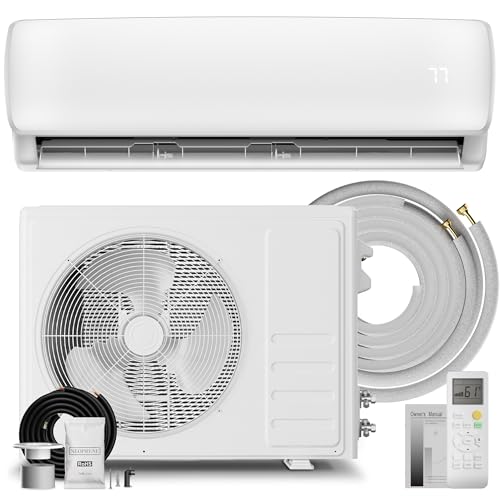
MEPTY 9000BTU Mini Split AC/Heating System, 19 SEER2 Energy Efficient Mini Split Air Conditioner with Heat Pump, 110V Cools Up to 450sq.ft, Ductless Inverter AC Unit with Pre-Charged Condenser
⭐Advanced Energy Saving: Advanced inverter technology with leading 19 SEER2 rating delivers superior performance through ensuring that the...
As an affiliate, we earn on qualifying purchases.
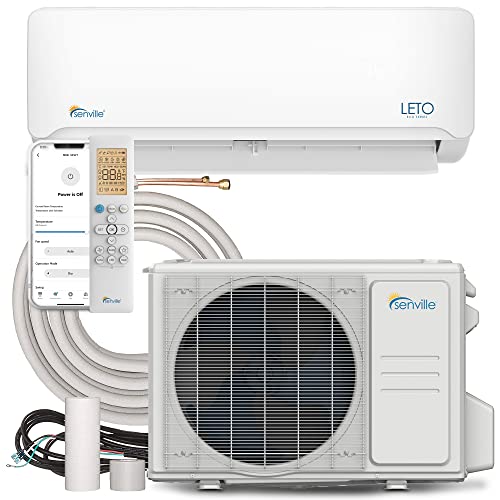
Senville LETO Series Mini Split Air Conditioner Heat Pump, 12000 BTU 110/120V, Inverter, Works with Alexa, SEER2 20.8, 1 Ton, White
Alexa Enabled Mini Split AC/Heating System: Integrate with voice control or app, allowing you to adjust your mini...
As an affiliate, we earn on qualifying purchases.