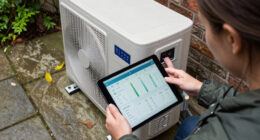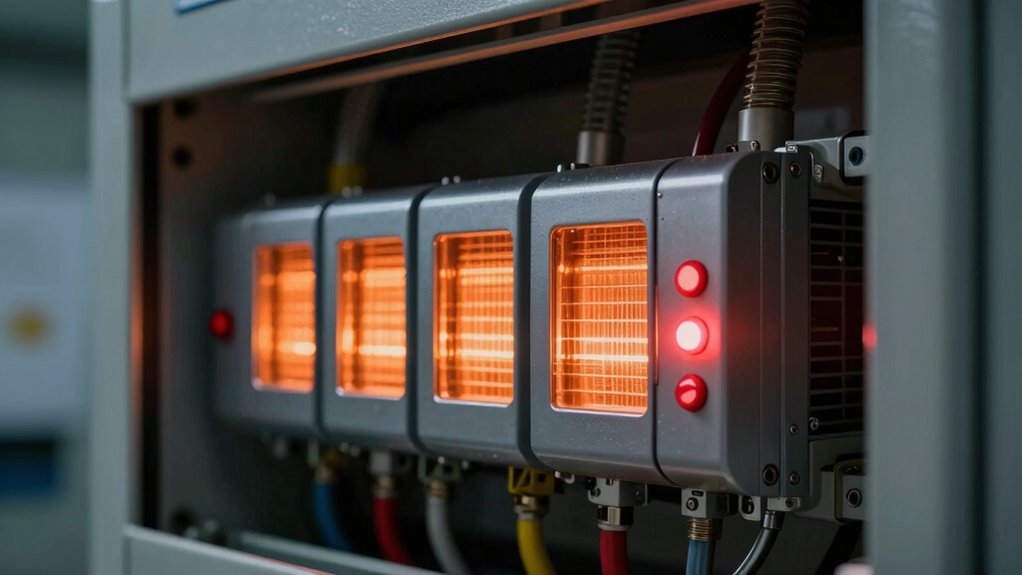

When your backup heat strips turn on, your energy use jumps considerably because resistance heating is much less efficient than your primary system. This increased consumption can nearly double your household’s electricity bills during operation. Frequent activation, especially in cold weather, raises your overall energy costs and reduces efficiency. If you want to discover ways to manage this and save money, there’s more you can do to keep costs down and optimize your system.

Get backup power and energy gear delivered free — and shop member deals
- Fast, free delivery on millions of items
- Access to Prime Big Deal Days deals on October 6–7
- Prime Video, Amazon Music and more included
Key Takeaways
- Backup heat strips consume significant electrical energy when activated, increasing overall household power use.
- Activation nearly doubles energy consumption during periods they are engaged.
- Resistance heating from backup strips is less efficient, raising operational costs.
- Frequent use during cold spells leads to higher energy bills.
- Reducing backup heat activation through insulation and system optimization lowers energy use.
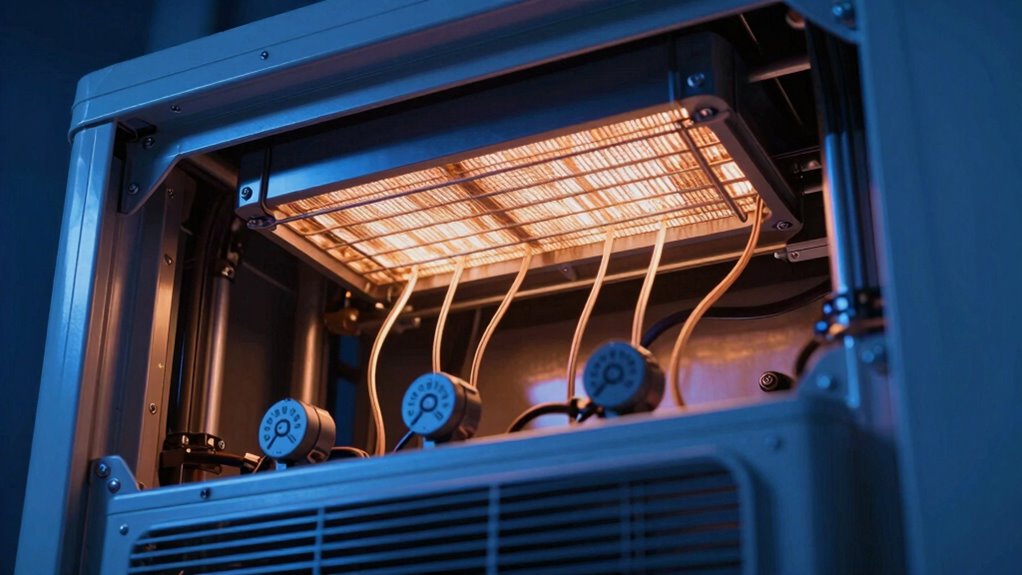
When your heating system activates backup heat strips, it can considerably impact your energy consumption. These strips are designed to kick in when your primary heating source, like a heat pump, struggles to maintain your desired indoor temperature. While they provide essential warmth, they do so at a cost—both to your energy efficiency and your wallet. Understanding what happens when these backup systems turn on helps you make smarter choices about managing your energy bills.
Backup heat strips typically use electric resistance heating, which is less efficient than the heat pump’s usual operation. When they activate, they draw a significant amount of electricity, sometimes nearly doubling your home’s energy use during those periods. This increased consumption can quickly add up, especially if backup heating activates frequently during cold snaps or in poorly insulated homes. As a result, your overall energy efficiency drops, because you’re relying more on less efficient heating methods. This inefficiency translates directly into higher energy bills, making your heating costs more expensive than they ideally need to be. Additionally, energy-efficient options can help reduce the need for backup heat activation and save costs over time. Understanding the energy consumption of your heating system can also guide you toward better insulation or thermostat settings, further reducing reliance on backup heat. Proper maintenance and system optimization can also help minimize unnecessary activation of these strips. Being aware of how backup heat strips operate allows homeowners to better plan their energy use and potentially avoid unnecessary activations.
As an affiliate, we earn on qualifying purchases.
Frequently Asked Questions
Do Backup Heat Strips Affect Overall Energy Efficiency?
Backup heat strips do impact your overall energy efficiency by increasing energy consumption, especially when they turn on frequently. They serve as an alternative heating method when your primary system struggles to maintain temperature, but they tend to use more energy compared to alternative heating methods. In an energy consumption comparison, relying on heat strips can lead to higher electricity bills, reducing your system’s efficiency and increasing operational costs.
How Much Additional Energy Do Heat Strips Typically Consume?
Heat strips typically consume about 1 to 5 kilowatts per hour, depending on their size and capacity. To reduce this energy use, consider heat strip alternatives like heat pumps or improving insulation. Incorporate energy conservation strategies such as programmable thermostats and regular system maintenance. This way, you can minimize reliance on backup heat and save on energy costs, especially during colder months.
Are Heat Strips More Expensive to Operate Than Regular Heating?
Back in the day, heat strips were seen as the “knight in shining armor” during cold snaps, but they’re typically more expensive to operate than regular heating. In an energy cost comparison, heat strips use a lot more electricity, making them less affordable for long-term heating. For heating alternatives, consider upgrading your system or improving insulation to reduce reliance on costly backup heat strips.
Can Frequent Use of Heat Strips Increase Energy Bills Significantly?
Yes, frequent use of heat strips can substantially increase your energy bills. When your thermostat settings rely on heat strips often, your system consumes more electricity, raising costs. Additionally, this increased usage may lead to higher maintenance costs over time, as the heat strips work harder and wear out faster. To manage expenses, consider adjusting your thermostat settings to optimize efficiency and reduce reliance on backup heat sources.
Do Heat Strips Impact the Lifespan of the HVAC System?
Using heat strips can impact the lifespan of your HVAC system by causing additional wear and tear, which may reduce heat strip longevity. Frequent use can strain system components, leading to more frequent repairs. To prevent this, prioritize regular system maintenance and make certain your HVAC is well-tuned. This helps balance the workload, extends equipment life, and keeps your heating system running efficiently without unnecessary damage.
As an affiliate, we earn on qualifying purchases.
Conclusion
When backup heat strips turn on, you might think the energy use spikes, but it’s more than just a simple increase. While they provide immediate warmth, they also highlight the delicate balance between comfort and efficiency. Just as a quick fix offers instant relief, it can also lead to higher energy bills. In that moment, warmth and cost collide—reminding you that sometimes, the quickest solution isn’t always the most sustainable.
home insulation for heating efficiency
As an affiliate, we earn on qualifying purchases.
As an affiliate, we earn on qualifying purchases.
programmable thermostat for heat pump
As an affiliate, we earn on qualifying purchases.
As an affiliate, we earn on qualifying purchases.
Halloween Picks
halloween
As an affiliate, we earn on qualifying purchases.