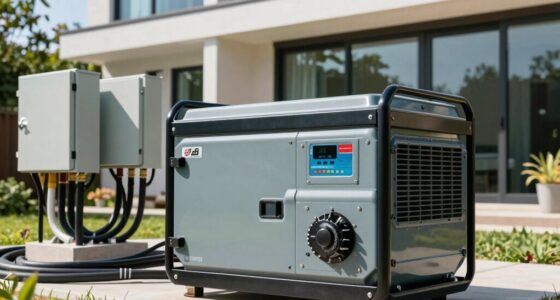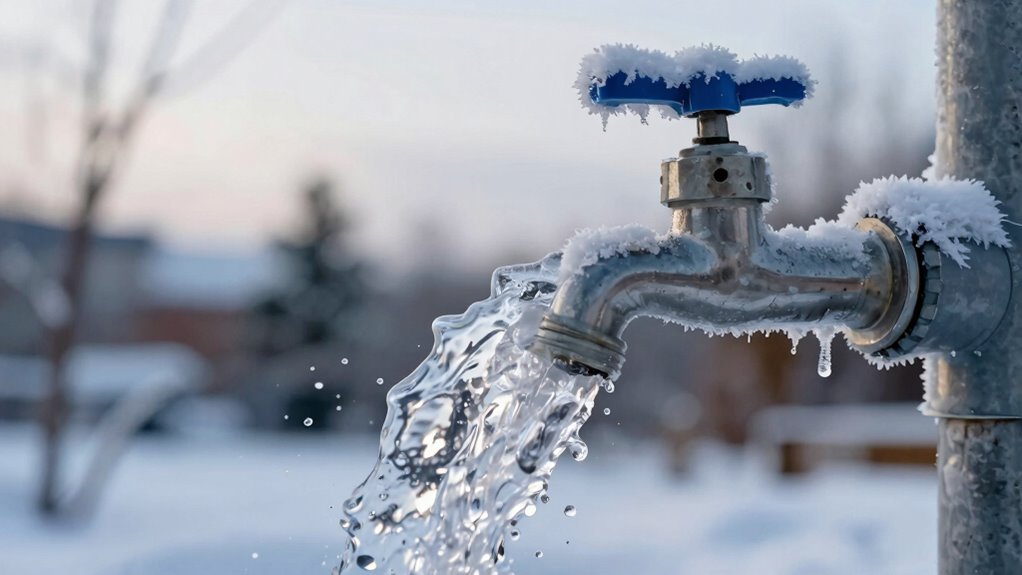

If you live in a cold climate, it’s important to know that incoming water temperatures can drop considerably, making your daily routines less comfortable. Cold water forces your heater to work harder, increasing energy costs. To stay efficient, insulate your pipes and choose energy-efficient water heaters placed in heated areas. Monitoring water temperature helps you adjust systems for colder months. Continue exploring how these tips can help you save energy and stay comfortable all winter long.

Get backup power and energy gear delivered free with Prime
- Fast, free delivery on millions of items
- Prime Video, Amazon Music and more included
- Member-only deals all year
Key Takeaways
- Cold climates lower incoming water temperatures, increasing the energy needed to heat water effectively.
- Insulating pipes and water heaters minimizes heat loss and enhances energy efficiency during winter.
- Proper placement of water heaters in heated spaces reduces heat transfer and operational costs.
- Regular maintenance and monitoring help optimize system performance amid seasonal temperature changes.
- Upgrading to energy-efficient water heating systems can significantly reduce energy consumption in cold weather.
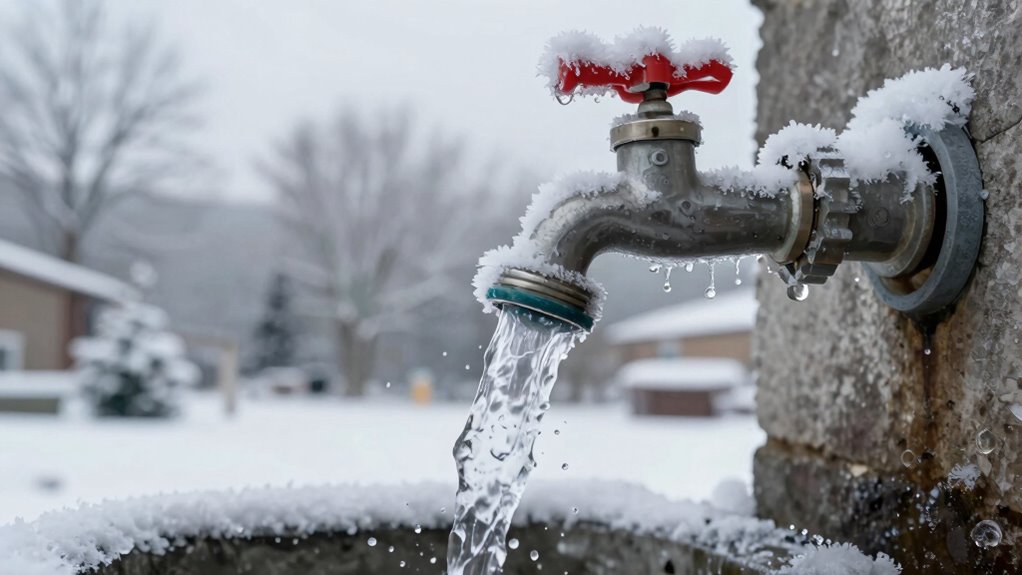
When you’re buying a home in a cold climate, understanding incoming water temperature is essential for comfort and efficiency. Cold temperatures outside directly impact the temperature of the water entering your home, which can make your daily routines less comfortable if not properly managed. Cold temperatures outside directly impact the temperature of the water entering your home, which can make your daily routines less comfortable if not properly managed. Knowing the incoming water temperature helps you select the right water heating system and optimize energy use, preventing unnecessary costs and discomfort. Water heater efficiency becomes a crucial factor because colder incoming water requires your heater to work harder, consuming more energy to reach a comfortable temperature. Upgrading to an energy-efficient water heater or insulating your current one can reduce these costs significantly, especially in colder months.
Understanding incoming water temperature helps optimize heating efficiency and reduce costs in cold climates.
In addition to choosing the right water heater, pipe insulation plays a vital role in maintaining water temperature as it travels from the heater to your taps. When pipes are exposed to cold air or unheated spaces, water can cool down before it reaches your faucet, increasing wait times and wasting energy. Proper pipe insulation keeps water warmer longer, reducing the need for the heater to continuously reheat the same water, which enhances overall efficiency. It’s a simple, cost-effective way to boost comfort and cut down on energy bills, especially during the winter. Insulating pipes in unheated areas is particularly important because heat loss can occur quickly in exposed piping, further decreasing water temperature. Additionally, selecting the right insulation materials can further improve energy conservation and prevent heat transfer.
You should also pay attention to the placement of your water heater and pipes. Installing the unit in a heated space, like a basement or utility closet, can prevent heat loss and improve water heater efficiency. If your pipes run through unheated areas, adding insulation or even rerouting some lines can make a noticeable difference. Moreover, regularly maintaining and checking your water heater ensures it operates at peak efficiency, especially when incoming water is colder and demands more from the system. Being aware of incoming water temperature and how it affects your home systems allows you to make smarter choices and implement effective solutions proactively. Additionally, understanding water temperature fluctuations throughout the year can help you plan for seasonal adjustments and maintenance. Incorporating proper insulation techniques can further prevent heat transfer and improve overall energy savings.
Understanding the relationship between incoming water temperature, water heater efficiency, and pipe insulation allows you to make smarter choices when buying and maintaining a home in a cold climate. These steps help keep your water warm, your energy bills manageable, and your daily routines comfortable. Investing in the right insulation and efficient heating solutions ensures you’re prepared for the colder months, preventing unnecessary strain on your equipment and reducing your overall energy consumption. Being proactive about these factors not only improves your comfort but also saves you money in the long run, making your home energy-efficient and cozy despite the chilly surroundings.
energy-efficient tankless water heater
As an affiliate, we earn on qualifying purchases.
As an affiliate, we earn on qualifying purchases.
Frequently Asked Questions
How Does Incoming Water Temperature Affect Plumbing Insulation Choices?
Incoming water temperature directly impacts your choice of pipe insulation. If the water’s cold, you should opt for strong insulation materials like foam or rubber to prevent freezing. For warmer incoming water, lighter insulation may suffice, but proper pipe insulation necessitates to reduce heat loss and improve efficiency. Selecting the right pipe insulation helps protect your plumbing in cold climates and ensures consistent water flow.
What Impact Does Cold Water Temperature Have on Water Heater Efficiency?
Cold water temperatures can make your water heater work overtime, like a runner pushing through thick mud. This reduces efficiency and increases energy bills. Regular water heater maintenance helps keep it running smoothly, saving you money. Follow energy-saving tips such as lowering the thermostat and insulating pipes. By doing so, you’ll boost performance, extend your unit’s lifespan, and stay warm even in the chilliest months.
Can Low Incoming Water Temperature Cause Pipe Freezing Issues?
Low incoming water temperature can indeed cause pipe freezing issues. To prevent this, you should add pipe insulation, especially in vulnerable areas. Proper insulation helps maintain warmer water inside the pipes, reducing the risk of freezing. Additionally, consider freezing prevention measures like keeping a small drip of water flowing or heating tapes during extreme cold spells. These steps are essential for protecting your plumbing system in cold climates.
How Often Should I Test Incoming Water Temperature in Winter?
You should test your incoming water temperature at least once a month during winter, especially when seasonal variations can cause fluctuations. Coincidentally, checking regularly helps you catch drops in water source temperature early, preventing pipes from freezing. During extreme cold snaps, test more frequently—weekly if necessary—to stay ahead. Staying aware of these changes guarantees your plumbing remains protected throughout the winter months.
Are There Specific Water Heater Models Designed for Cold Climates?
Yes, there are water heater models specifically designed for cold climates. Look for units with larger water heater capacity to handle increased demand during winter. Choose models with high energy efficiency ratings to save on heating costs and guarantee reliable hot water supply. These heaters are built to perform well in low temperatures, preventing cold water issues. Investing in the right model helps you stay comfortable and efficient through harsh winter months.
pipe insulation for cold climates
As an affiliate, we earn on qualifying purchases.
As an affiliate, we earn on qualifying purchases.
Conclusion
Think of incoming water temperature as the steady heartbeat of your home’s winter safety. Just as a heartbeat keeps us alive and aware, understanding and managing this temperature guarantees your comfort and safety in cold climates. When you pay attention to these signals, you’re not just safeguarding your home—you’re nurturing a resilient sanctuary against winter’s chill. Embrace this knowledge, and let it be the steady pulse that keeps your home warm and secure all season long.
As an affiliate, we earn on qualifying purchases.
water temperature monitoring device
As an affiliate, we earn on qualifying purchases.
As an affiliate, we earn on qualifying purchases.
Halloween Picks
halloween
As an affiliate, we earn on qualifying purchases.