
To plan emergency heat in an all-electric home, you should install a reliable backup power source like a propane or natural gas generator, or explore eco-friendly options like batteries or solar systems. Improve insulation and seal gaps to retain warmth and reduce energy needs. Keep practical supplies such as firewood, thermal clothing, and portable heaters handy. Combining these strategies guarantees you’re prepared for outages, and if you explore further, you’ll discover more ways to stay warm and safe during emergencies.

Get backup power and energy gear delivered free with Prime
- Fast, free delivery on millions of items
- Prime Video, Amazon Music and more included
- Member-only deals all year
Key Takeaways
- Install a reliable backup power source like a generator or battery system to ensure continuous heating during outages.
- Assess and upgrade insulation and sealing to maximize heat retention and reduce energy dependency.
- Keep alternative heating options such as wood stoves, pellet heaters, or portable propane heaters readily available.
- Use energy-efficient backup solutions and manage energy consumption with home energy management tools.
- Plan and store essential supplies like firewood, blankets, and thermal clothing for emergency warmth.
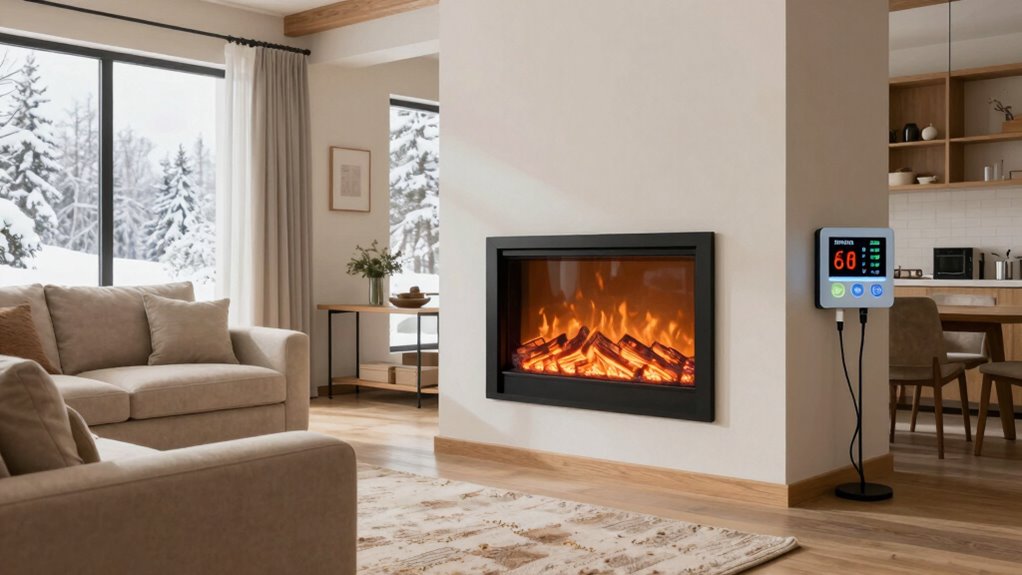
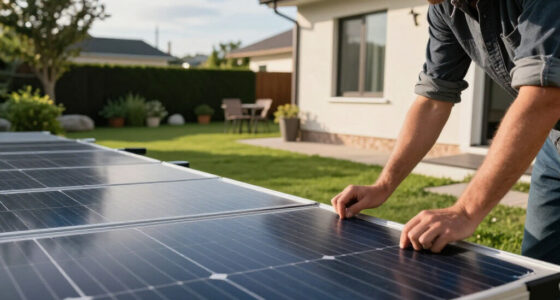
Have you ever wondered what you’d do if your all-electric home lost power during a cold snap? It’s a situation that can quickly become uncomfortable and even dangerous if you’re unprepared. Planning for emergency heat isn’t just about staying warm; it’s about ensuring your safety while maintaining energy efficiency and minimizing inconvenience. The first step is to think about backup power options. Installing a generator or exploring portable battery systems can keep essential systems running when the grid goes down. A generator powered by propane or natural gas can provide reliable heat, but you need to consider installation costs, fuel storage, and safety protocols. Portable battery packs or solar-powered backup systems are more eco-friendly and can be scaled to meet your needs, especially if you prioritize energy efficiency. These systems can power small appliances or critical devices, giving you peace of mind during outages.
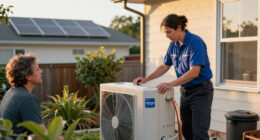
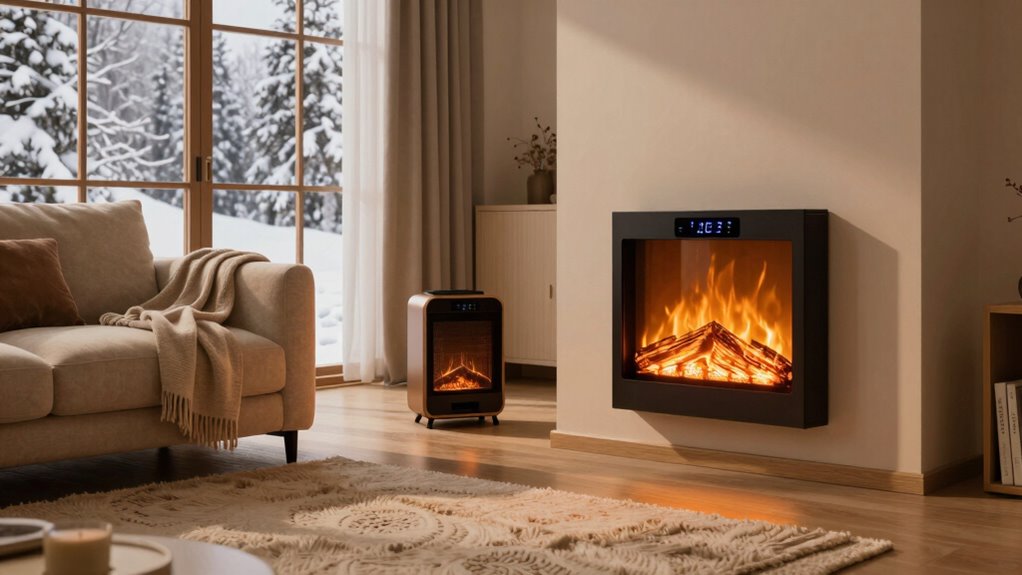
Next, assess your current heating setup and determine how it can be adapted for emergency use. Electric heat pumps are efficient but rely entirely on electricity, so having a backup power source becomes even more vital. You might consider installing a dual-fuel system that can switch to a different energy source, such as a small wood stove or pellet heater, in case of power failure. These alternatives are often highly energy-efficient and can provide a reliable heat source during long outages. If space permits, keeping a supply of seasoned firewood or pellets can serve as a practical backup, especially in colder climates. Remember, the goal is to balance energy efficiency with the ability to generate heat when the power is out, without causing unnecessary energy waste. Additionally, understanding home energy management can help optimize your backup heating strategies to minimize waste and maximize efficiency. Incorporating energy storage solutions can also ensure that you have a reserve of power to draw from during extended outages. Furthermore, selecting appropriate backup systems requires considering their compatibility with your existing home setup and energy needs.
Evaluate your heating system and consider dual-fuel options like wood stoves or pellets for reliable backup during outages.
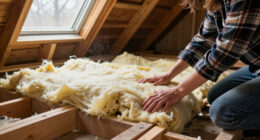
You should also think about insulation and sealing your home effectively. Proper insulation keeps the warmth inside and reduces the need for excessive heating during outages. Seal gaps around windows, doors, and other leaks to improve energy efficiency and prevent cold drafts from entering your home. This way, even if your backup heating source is limited, your home stays warmer longer. It’s also wise to have emergency supplies on hand—warm blankets, thermal clothing, and portable heaters that run on batteries or propane. Sealing leaks and insulating can significantly improve your home’s ability to retain heat, reducing the strain on backup systems. These simple measures can buy you vital extra hours of warmth without draining your backup power sources too quickly. In addition, regularly maintaining your home’s insulation and sealing can help sustain overall indoor air quality, especially during prolonged outages. Taking proactive steps in home sealing also contributes to the overall air quality benefits by reducing drafts and improving indoor air stability.
In the end, planning for emergency heat in an all-electric home is about combining reliable backup power solutions, energy-efficient upgrades, and practical supplies. By doing so, you’ll stay safer and more comfortable when the unexpected happens, all while keeping energy use optimized for your home’s needs.
portable propane heater for home
As an affiliate, we earn on qualifying purchases.
As an affiliate, we earn on qualifying purchases.
Frequently Asked Questions
What Are the Costs Associated With Installing Emergency Heat Systems?
The costs for installing emergency heat systems vary, but generally, you can expect a cost comparison between electric and backup heating options. Installation considerations include the system’s size, complexity, and whether your home needs upgrades. Budgeting for equipment, labor, and potential electrical work is essential. While upfront costs may be substantial, investing in reliable emergency heat guarantees safety and comfort during power outages, making it a worthwhile expense.
How Long Can Emergency Heat Supply Power During Outages?
During outages, your emergency heat supply with a battery backup can last several hours, depending on the system’s capacity. You might worry about power duration, but proper sizing guarantees enough backup time for essential heating. Keep in mind, factors like battery type and usage impact longevity. Regular maintenance and monitoring help maximize your backup’s efficiency, ensuring you stay warm when the power goes out.
Are There Eco-Friendly Emergency Heating Options for Electric Homes?
Yes, you can choose eco-friendly solutions like renewable options for emergency heating in your electric home. Solar-powered heaters and heat pumps with renewable energy sources reduce your carbon footprint and are sustainable. These eco-friendly options guarantee you stay warm during outages without harming the environment. Investing in such renewable solutions provides reliable, green emergency heat, helping you maintain comfort while supporting your commitment to sustainability.
Can Smart Home Technology Improve Emergency Heat Management?
Think of smart home technology as your home’s nervous system, seamlessly managing emergency heat. Smart integration and automation control allow you to set triggers that activate backup heating instantly, ensuring warmth when you need it most. With these tools, you become the conductor of your home’s comfort, responding swiftly to temperature changes and conserving energy. This intelligent coordination keeps you cozy and safe, even when the power grid throws a curveball.
What Safety Precautions Should Be Taken With Emergency Heating Devices?
You should always follow safety standards when using emergency heating devices, guaranteeing proper installation and regular maintenance. Keep fire extinguishers nearby and never block vents or exhaust outlets. Familiarize yourself with emergency procedures, like shutting off the device quickly if it malfunctions. Always supervise the heater during use, especially around children or pets, to prevent accidents. Prioritizing these precautions helps ensure safe, effective emergency heating.
home backup generator for emergency
As an affiliate, we earn on qualifying purchases.
As an affiliate, we earn on qualifying purchases.
Conclusion
Planning emergency heat in your all-electric home is essential—you don’t want a winter blackout to turn your cozy haven into a frozen wasteland. By having backup systems, portable heaters, and a clear plan, you’re prepared for anything that comes your way. Think of it as your secret weapon against the cold—more powerful than a superhero’s cape. Stay proactive, stay warm, and never let winter catch you off guard!
As an affiliate, we earn on qualifying purchases.
As an affiliate, we earn on qualifying purchases.
Halloween Picks
halloween
As an affiliate, we earn on qualifying purchases.