TL;DR

Get backup power and energy gear delivered free with Prime
- Fast, free delivery on millions of items
- Prime Video, Amazon Music and more included
- Member-only deals all year
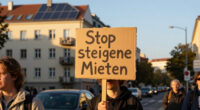
Ahead of Berlin’s upcoming local election, residents staged protests against high rental prices, emphasizing housing affordability issues. The protests reflect widespread public concern and are likely to influence political discourse.
Just days before the Berlin local election, residents and activists organized protests against rising rental prices across the city, drawing significant public and media attention. The demonstration underscores ongoing concerns about housing affordability in Berlin, a key issue in the upcoming vote. While the protest’s immediate goal was to pressure policymakers, it also highlights broader social tensions over housing costs that are shaping electoral debates.
The protests took place in multiple districts, with demonstrators marching through central areas and gathering outside government offices. Participants carried banners demanding rent controls and measures to curb speculation that they say drive up housing costs. Local authorities confirmed that the police monitored the protests but reported no significant disturbances. The event was organized by housing advocacy groups and community organizations, aiming to influence voters and candidates ahead of the election.
According to reports from rbb24.de, the protests attracted several hundred participants, including tenants, activists, and some political figures. Organizers cited data indicating that rent prices in Berlin have increased by an average of 20% over the past three years, with some districts experiencing even sharper rises. Critics argue that current policies are insufficient to address the crisis, and some candidates have incorporated housing affordability into their campaign platforms.
Authorities have acknowledged the importance of the issue, with Berlin’s city government stating they are exploring new measures to stabilize rents, though specifics remain under discussion. The protest is seen as a signal that housing affordability will be a decisive factor in the upcoming election, which is scheduled for next week.
Impact of Protest on Berlin’s Election Campaign
The protest underscores the intensity of public frustration over housing costs in Berlin, a city experiencing a housing shortage alongside rising rents. As the election approaches, candidates are increasingly addressing the issue, and the demonstration may influence voter priorities. If the protests gain further momentum, they could pressure policymakers to adopt more aggressive rent control measures, potentially shaping the city’s housing policy for years to come.
Analysts suggest that the protests reflect broader social tensions in Berlin, where housing affordability has become a key electoral issue. The demonstration could also serve as a barometer of public support for candidates who prioritize housing reforms, thereby affecting election outcomes.
As an affiliate, we earn on qualifying purchases.
Berlin’s Housing Crisis and Rising Rents
Over the past decade, Berlin has experienced a significant increase in rental prices, driven by population growth, limited housing supply, and speculative investment. According to recent data, rent prices have risen by approximately 20% over the last three years, with some districts seeing even sharper increases. This trend has led to widespread concern among tenants, many of whom face financial strain or risk displacement.
In response, city officials have introduced measures such as rent caps and new zoning policies, but critics argue these are insufficient to stem the tide of rising costs. The issue has become a central theme in Berlin’s political discourse, with opposition parties and civil society groups calling for stronger action to protect tenants. The upcoming election is seen as a critical juncture for shaping future housing policy in the city.
Previous protests and debates have highlighted the deep divisions over how best to address the crisis, with some advocating for more regulation and others warning of potential economic impacts. The current protests are part of this ongoing struggle, emphasizing the urgency felt by many residents.
As an affiliate, we earn on qualifying purchases.
Unresolved Questions About Policy Changes
It is not yet clear whether the protests will lead to concrete policy changes or influence the election outcome significantly. While candidates have begun to address housing issues more prominently, specific proposals and their potential effectiveness remain uncertain. Additionally, the scale and impact of future protests are still developing, and it is unclear if they will sustain momentum through the election period.
As an affiliate, we earn on qualifying purchases.
Upcoming Election and Policy Developments
The Berlin election is scheduled for next week, with housing affordability expected to be a key campaign issue. Candidates are likely to respond to public pressure by proposing new measures or strengthening existing policies. The outcome of the election could influence the city’s approach to housing reform for the coming years. Observers will monitor whether the protests continue to grow and whether they translate into tangible political changes.
housing affordability protest signs
As an affiliate, we earn on qualifying purchases.
As an affiliate, we earn on qualifying purchases.
Key Questions
Will the protests result in immediate policy changes?
It is uncertain whether the protests will lead to immediate policy reforms. While they highlight public demand, concrete legislative actions depend on political negotiations following the election.
How significant is the issue of high rents in Berlin’s election?
Housing affordability is a major concern for voters and is increasingly influencing candidate platforms, making it a pivotal issue in the upcoming election.
Are these protests expected to continue after the election?
The future of protests depends on election results and policy responses. If housing remains a priority, protests could persist or escalate.
What measures are city officials considering to address rent hikes?
Officials have discussed potential measures such as stricter rent controls and zoning reforms, but specific policies are still under development.
How are candidates incorporating housing issues into their campaigns?
Many candidates are highlighting housing affordability in their platforms, proposing solutions like rent caps and increased social housing.
Source: local
Fall Picks
fall essentials
As an affiliate, we earn on qualifying purchases.