
When cold rooms have temperature issues, it’s usually the building envelope that’s at fault first because it acts as the main barrier to heat transfer. Gaps, insulation breakdown, or thermal bridging allow cold air to enter or warm air to escape, causing uneven temperatures. Air leaks and damaged insulation are common signs you’re facing envelope problems. If you keep exploring, you’ll uncover how these issues connect and how to fix them effectively.

Get backup power and energy gear delivered free with Prime
- Fast, free delivery on millions of items
- Prime Video, Amazon Music and more included
- Member-only deals all year
Key Takeaways
- Cold spots indicate insulation failure or air leaks in the building envelope, leading to temperature inconsistencies.
- The envelope acts as the primary barrier against heat transfer; its deterioration directly affects cold room performance.
- Insulation breakdown and gaps cause cold air escape and warm air infiltration, first showing up as cold spots.
- Thermal bridging and air leakage through the envelope compromise temperature stability in cold rooms.
- Regular envelope inspections help identify issues early, preventing costly repairs and maintaining optimal cold room conditions.

When inspecting a cold room with temperature irregularities, you might notice that the cold spots often point to the building’s envelope first. These uneven temperatures usually indicate issues like insulation failure or air leakage, which compromise the room’s ability to maintain a consistent cold environment. The building’s envelope, including walls, roof, and doors, acts as the first line of defense against heat transfer. When this barrier weakens, cold air escapes and warm air seeps in, disrupting the desired temperature. You’ll often find that the root cause is a breakdown in insulation or gaps allowing air to leak through. Proper insulation installation and maintenance are essential for preventing such issues from developing unnoticed over time.
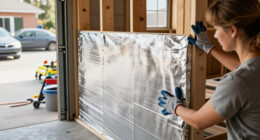
Insulation failure is a common culprit. Over time, insulation materials can degrade, settle, or become damaged, creating cold spots in the room. When insulation isn’t doing its job properly, heat from outside or warmer indoor areas infiltrates the cold space, making temperature control difficult. You might notice frost buildup or condensation on the walls where insulation has failed, indicating that the thermal barrier isn’t functioning as it should. This not only affects temperature stability but can also lead to increased energy consumption as the refrigeration system works harder to compensate for the loss of thermal efficiency. Additionally, thermal bridging can occur when heat bypasses insulation through structural elements, further contributing to temperature inconsistencies. Proper insulation installation, regular maintenance, and thermal breaks can prevent such issues and improve overall efficiency. Recognizing signs of insulation deterioration early can help prevent more extensive and costly repairs later on.
Insulation failure causes cold spots, frost buildup, and higher energy costs due to thermal barrier breakdown.
Air leakage is another frequent problem. Small gaps around doors, windows, or vents can allow warm air to enter and cold air to escape. Even tiny cracks in the building’s shell can considerably impact temperature consistency inside the cold room. When you detect cold spots, it’s often due to air flowing through these openings. Air leakage undermines the refrigeration system’s performance, making it harder to maintain the set temperature and increasing operational costs. Sealing these gaps with weatherstripping or proper sealing materials can greatly improve the room’s thermal integrity. Conducting envelope inspections periodically helps identify and address these vulnerabilities before they cause significant issues. Properly sealed and insulated buildings can significantly extend the lifespan of refrigeration equipment and improve energy efficiency.
In most cases, these issues are interconnected. Damaged or missing insulation can exacerbate air leakage, creating a cycle of heat transfer that’s tough to control. Regular inspections of the building envelope, checking for signs of wear, damage, or gaps, are essential. Addressing insulation failure and sealing air leaks enhances the cold room’s efficiency and helps guarantee a stable, uniform temperature. Remember, the first clues of temperature irregularities often lie in the building’s envelope, so paying close attention to its condition can save you time, money, and headaches in the long run. Understanding the importance of the building envelope and how it influences thermal performance is key to maintaining optimal conditions in cold storage spaces.
As an affiliate, we earn on qualifying purchases.
Frequently Asked Questions
How Do I Identify a Cold Room’s Main Insulation Issues?
To identify a cold room’s main insulation issues, start by inspecting insulation materials for gaps, compression, or damage. Check for air sealing deficiencies around windows, doors, and vents, as these often let in cold air. Use a thermal camera or infrared thermometer to spot cold spots and heat leaks. Ensuring proper insulation and airtight sealing helps maintain consistent temperature and improves energy efficiency in your cold room.
What Are the Common Signs of Envelope Failure?
You’ll notice envelope failure through common signs like increased energy bills, inconsistent temperatures, and drafts. Air leaks around windows and doors, along with insulation degradation in walls or ceilings, often point to this issue. You might feel cold spots or see ice buildup near the envelope, indicating compromised insulation. Addressing these signs quickly helps prevent further damage and maintains the cold room’s efficiency.
Can Interior Leaks Cause Cold Room Temperature Drops?
Ever wonder if interior leaks can cause cold room temperature drops? They definitely can, especially through air infiltration and moisture intrusion. When warm, moist air leaks inside, it cools rapidly, lowering the overall temperature. This process compromises insulation, making it seem like the cold room is losing heat from the outside. Addressing interior leaks promptly prevents temperature fluctuations and keeps your cold room stable and energy-efficient.
How Does Thermal Bridging Affect Cold Room Insulation?
Thermal bridging reduces your cold room’s insulation integrity because it creates pathways for heat transfer, bypassing the insulation. Materials with high thermal conductivity act as bridges, allowing heat to flow in or out more easily. This weakens the overall insulation, making your cold room less effective. To maintain proper temperature, you need to minimize thermal bridging by using low-conductivity materials and ensuring continuous insulation coverage.
What Maintenance Prevents Envelope-Related Cold Room Issues?
Think of your cold room’s envelope as a shield protecting its contents. To keep it strong, you should regularly inspect and maintain the insulation, sealing any gaps to prevent ventilation issues that can cause temperature fluctuations. Check for signs of structural damage like cracks or moisture intrusion, and address them promptly. Proper maintenance guarantees your cold room stays efficient, preventing issues caused by compromised insulation or compromised integrity of the envelope.
As an affiliate, we earn on qualifying purchases.
Conclusion
Just like a detective follows the trail to find the culprit, you should always check the envelope first when dealing with cold rooms. It’s often the weakest link in your insulation, letting heat escape like a leaky faucet. By inspecting and sealing your envelope, you can stop the cold air from sneaking in and save energy. Remember, addressing the envelope is your first step to keeping your space warm and cozy—think of it as patching the cracks before the flood.
As an affiliate, we earn on qualifying purchases.
As an affiliate, we earn on qualifying purchases.
Halloween Picks
halloween
As an affiliate, we earn on qualifying purchases.