Using heat pumps for hot water baseboard heating is a smart choice if you want an energy-efficient and eco-friendly system. They transfer heat from outside air or ground, which can lower your energy bills and reduce your carbon footprint. While installation costs are higher initially, the long-term savings and environmental benefits can make it worthwhile. Want to discover how to maximize your investment and optimize performance? Keep exploring to learn more.
Key Takeaways
- Heat pumps can efficiently provide hot water for baseboard heating, reducing energy consumption compared to traditional systems.
- Installing heat pumps for hot water baseboard heating involves higher upfront costs but offers long-term savings.
- Air-source heat pumps are easier and less expensive to install than ground-source (geothermal) systems.
- Proper sizing and installation are essential for optimal hot water delivery and consistent heating performance.
- Incentives or rebates may help offset initial costs, making heat pump systems more financially feasible.
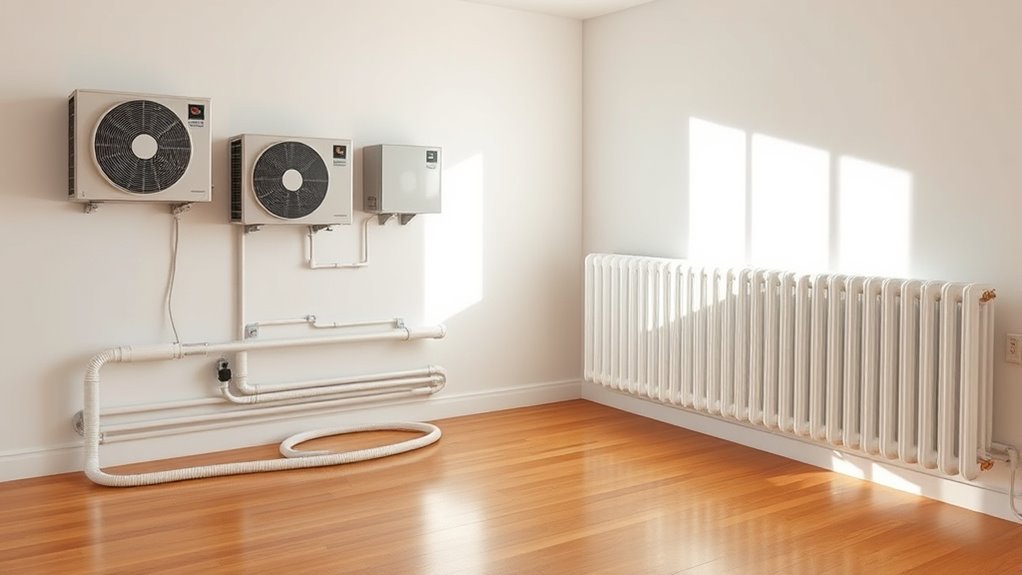
Heat pumps are becoming an increasingly popular choice for providing hot water in baseboard heating systems because they offer an energy-efficient alternative to traditional furnaces. When contemplating this option, you’ll notice that energy efficiency is one of the biggest advantages. Unlike conventional heating systems that burn fuel or use electrical resistance, heat pumps transfer heat from the outside air or ground into your home, consuming less energy overall. This means you can enjoy consistent, reliable warmth while reducing your energy bills. Since heat pumps operate by moving heat rather than generating it through combustion, they are more eco-friendly and can considerably lower your carbon footprint.
Heat pumps offer an energy-efficient, eco-friendly way to heat your home and reduce utility bills.
However, before jumping into installation, you should be aware of the installation costs involved. Heat pump systems typically have higher upfront costs than standard electric or gas furnaces. The initial investment covers the price of the unit itself, along with the necessary modifications to your existing heating infrastructure. For example, if you’re switching from a traditional furnace to a heat pump-based hot water system, you might need additional components like a new thermostat or enhanced insulation. While these costs might seem steep initially, it’s important to weigh the long-term savings. The energy efficiency of heat pumps translates into lower monthly utility bills, which can offset the higher installation costs over time.
Another factor impacting installation costs is the type of heat pump you choose. Air-source heat pumps tend to be less expensive and easier to install because they require less extensive modifications to your home. Ground-source (or geothermal) heat pumps, on the other hand, involve installing underground loops, which can increase installation expenses but provide higher efficiency and performance in colder climates. Your location, climate, and existing heating system will influence the overall costs and benefits. It’s advisable to get multiple quotes and consult with professional installers to understand the scope of work and potential incentives or rebates available in your area.
Despite the higher initial costs, many homeowners find that the energy savings and environmental benefits make heat pumps a worthwhile investment. They provide consistent heating and hot water, especially when properly sized and installed. Over time, the reduced energy consumption helps lower operating costs, making heat pumps a smart choice for those looking to upgrade their heating system with a focus on efficiency. Ultimately, weighing the installation costs against long-term savings and environmental impact will help you decide if a heat pump is the right fit for your hot water baseboard heating needs.
Defrosting for Air Source Heat Pump: Research, Analysis and Methods (Woodhead Publishing Series in Energy)
As an affiliate, we earn on qualifying purchases.
As an affiliate, we earn on qualifying purchases.
Frequently Asked Questions
How Do Heat Pumps Compare to Traditional Boiler Systems?
You’ll find that heat pumps are more energy-efficient than traditional boiler systems, offering a better efficiency comparison over time. They use less electricity and extract heat from the air, reducing your carbon footprint. Plus, heat pumps provide environmental benefits by lowering greenhouse gas emissions. While initial costs might be higher, their lower operating costs and eco-friendly nature make them a smarter, sustainable choice for hot water baseboard heating.
What Are the Initial Installation Costs for Heat Pump Systems?
Your initial installation costs for heat pump systems can range from $3,000 to $8,000, depending on the size of your home and the complexity of the setup. This upfront investment covers the equipment and professional installation. While it’s higher than traditional systems, many homeowners find that the energy savings over time offset the initial costs. Consider your long-term savings and potential incentives when evaluating the investment.
Are Heat Pumps Effective in Extremely Cold Climates?
Yes, heat pumps can be effective in extremely cold climates, especially newer models designed for climate resilience. They maintain energy efficiency by extracting heat from the cold outside air, even when temperatures dip below freezing. With advanced technology, these systems ensure reliable heating, reducing energy costs while providing consistent comfort. Proper installation and choosing the right model are key to maximizing effectiveness in harsh winter conditions.
What Maintenance Is Required for Heat Pump Hot Water Systems?
To keep your heat pump hot water system running efficiently, you should follow a regular maintenance schedule. You need to check and clean the filters, inspect the refrigerant levels, and clear any debris around the unit. Regularly schedule professional inspections to ensure system efficiency remains high. Proper maintenance helps prevent breakdowns, extends the lifespan of your system, and keeps your hot water consistent and energy-efficient.
Can Heat Pumps Provide Both Heating and Cooling Simultaneously?
Yes, heat pumps can provide both heating and cooling simultaneously with dual function systems, ensuring your comfort year-round. Many people worry about energy efficiency, but these systems are designed to optimize energy use, reducing your utility bills. By switching between heating and cooling as needed, you maintain a consistent indoor climate without extra equipment or energy waste. This versatility makes heat pumps an efficient choice for all seasons.

Fundamentals of Geothermal Heat Pump Systems: Design and Application
As an affiliate, we earn on qualifying purchases.
As an affiliate, we earn on qualifying purchases.
Conclusion
Embracing heat pumps for hot water baseboard heating isn’t just a smart choice—it’s a revolution in comfort and efficiency. As you harness this technology, you’ll find yourself stepping into a future where warmth and sustainability coexist seamlessly. Imagine the harmony of innovation and nature working together, transforming your home into a haven of coziness. Isn’t it time you embraced this revolution, turning the warmth of tomorrow into today’s reality?
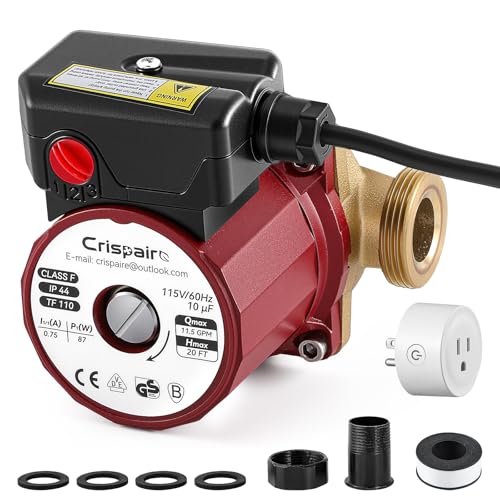
Crispaire 1/8 HP 115V Hot Water Recirculating Pump with 20 ft Cord Canned Rotor Circulator with 1-1/4" NPSM Union Brass Housing Direct Replacement for Grundfos UP15-29SU/LC 59896776
【Optimized Hydraulic Performance】Delivers up to 11.5 GPM flow and 20 ft of head—ideal for residential and light commercial…
As an affiliate, we earn on qualifying purchases.
As an affiliate, we earn on qualifying purchases.
Fundamentals of Geothermal Heat Pump Systems: Design and Application
As an affiliate, we earn on qualifying purchases.
As an affiliate, we earn on qualifying purchases.