
TL;DR

Get backup power and energy gear delivered free with Prime
- Fast, free delivery on millions of items
- Prime Video, Amazon Music and more included
- Member-only deals all year
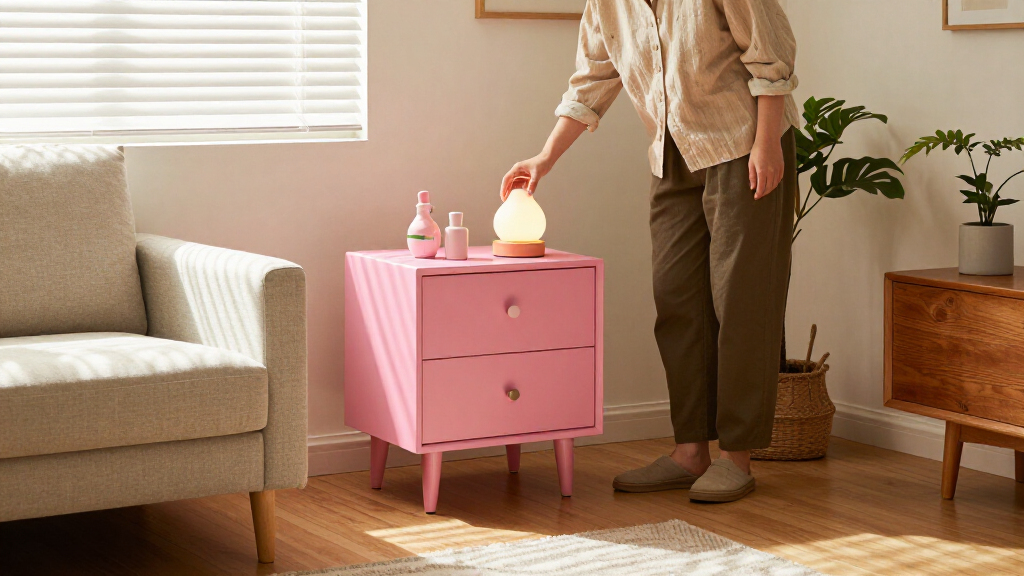
A homeowner traded her vintage 1930s nightstand for a pink furniture piece from Wayfair. The swap gained attention online, illustrating the trend of replacing antique furniture with contemporary styles. The story underscores evolving tastes and the influence of online shopping on home decor choices.
A homeowner has publicly shared that she traded her vintage 1930s nightstand for a pink furniture piece purchased from Wayfair, drawing attention on social media. The swap highlights a shift in personal decor preferences and the growing influence of online retail on home furnishing choices.
The individual, whose post has gone viral, explained that she replaced her antique nightstand — a piece believed to be from the 1930s — with a bright pink item from Wayfair’s extensive online catalog. The pink furniture is described as a modern, playful addition to her bedroom, contrasting sharply with her previous vintage piece.
While the original nightstand was a cherished family heirloom, the owner stated she wanted a more contemporary look and found the pink Wayfair item to be a perfect fit. The post included photos comparing the vintage piece with the new purchase, emphasizing the aesthetic difference.
The social media response has been mixed, with some praising her for embracing modern decor and others expressing nostalgia or skepticism about replacing antique furniture. The story has sparked broader conversations about personal style, the value of vintage items, and the role of online shopping in home decor decisions.
Impact of Online Shopping on Vintage Furniture Choices
This story exemplifies a broader trend where homeowners are increasingly replacing traditional or vintage furniture with modern, affordable alternatives sourced online. The shift is driven by factors such as changing aesthetic preferences, convenience, and the accessibility of diverse options through platforms like Wayfair.
It also raises questions about the value placed on antique and vintage items, and whether such choices reflect a desire for nostalgia or a preference for contemporary styles. As social media amplifies these stories, consumer behavior around home decor may continue to evolve, influencing the vintage furniture market and online retail strategies.
As an affiliate, we earn on qualifying purchases.
Rise of Modern Decor and Online Furniture Shopping
Over recent years, there has been a noticeable increase in interest in modern and eclectic home decor, often driven by social media trends and influencer content. Platforms like Instagram and TikTok showcase styled interiors that favor bold colors and contemporary designs, encouraging consumers to seek similar pieces.
Meanwhile, online furniture retailers such as Wayfair have expanded their offerings, making it easier than ever to replace older furniture with new, affordable items. This has led to a surge in stories of people swapping vintage or heirloom pieces for trendy, mass-produced alternatives, reflecting shifting tastes and the convenience of digital shopping.
While some see this as a move toward more personalized and expressive decor, others debate the cultural and sentimental value of vintage furniture, especially when replaced en masse.
As an affiliate, we earn on qualifying purchases.
Unconfirmed Details About the Vintage Nightstand
It is not yet clear how much the original 1930s nightstand was valued or whether it was sold, gifted, or kept. The sentimental or monetary value of the vintage piece remains unspecified, and the owner has not disclosed whether she plans to acquire more vintage items in the future.
Additionally, the story is based on a social media post, and the full background of the original furniture’s provenance is not confirmed.
As an affiliate, we earn on qualifying purchases.
Future of Vintage and Modern Home Decor Trends
As stories like this gain attention, more homeowners may consider swapping vintage items for modern alternatives, especially with the ease of online shopping. Experts suggest that this could accelerate shifts in the vintage furniture market and influence retail strategies among online retailers like Wayfair.
It remains to be seen whether this trend will lead to a broader reevaluation of the cultural value of vintage furniture or if it will remain a personal preference among individual homeowners. Further social media stories and market data will clarify whether this is a fleeting trend or a lasting shift in interior design preferences.
As an affiliate, we earn on qualifying purchases.
Key Questions
Why did the homeowner decide to trade her vintage nightstand?
The homeowner wanted a brighter, more modern look for her bedroom, and found the pink Wayfair piece to suit her aesthetic preferences better than her vintage furniture.
Is trading vintage furniture for online retail pieces common?
While individual stories like this are gaining attention, it reflects a broader trend where homeowners increasingly replace vintage or heirloom items with modern, affordable options sourced online.
What is the reaction on social media to this trade?
The response has been mixed, with some praising the modern aesthetic and others expressing nostalgia or skepticism about replacing vintage items.
Will this trend affect the vintage furniture market?
It could potentially lead to decreased demand for certain vintage pieces, but the full impact remains uncertain as consumer preferences continue to evolve.
Are there any plans to sell or restore the original nightstand?
The owner has not disclosed any plans regarding the vintage nightstand, including whether she intends to sell or keep it.
Source: rss
Fall Picks
fall essentials
As an affiliate, we earn on qualifying purchases.