Choosing a rated HVAC system with a heat pump involves balancing efficiency, cost, and ease of installation. The best overall pick stands out for its reliable performance and smart controls, while a couple of other options excel in cold-weather operation or budget friendliness. Buyers often face tradeoffs between upfront costs, energy savings, and complexity of installation. Continue reading for a detailed breakdown of top systems and what makes each unique.

Get backup power and energy gear delivered free with Prime
- Fast, free delivery on millions of items
- Prime Video, Amazon Music and more included
- Member-only deals all year
Key Takeaways
- The top-rated systems often combine high energy efficiency with smart technology features, but this can come at a higher price point.
- Cold-climate performance varies significantly; systems designed for colder weather tend to cost more upfront but save more over time.
- Ease of installation and maintenance is a critical factor that influences overall system longevity and user satisfaction.
- The most advanced systems include diagnostic tools and smart controls, though these features are less common in budget models.
- Tradeoffs between initial cost and long-term savings are central to choosing the right heat pump HVAC system.
| HVACR 401: Heat Pumps |  | Best for HVAC Professionals and Advanced Learners | Intended Audience: HVAC professionals, students | Coverage: Installation, troubleshooting, operation | Depth: Advanced, technical | VIEW ON AMAZON | See Our Full Breakdown |
| Heat Pumps: Heating and Cooling – A Beginner’s Handbook with Step-by-Step Guide and Checklist |  | Best for Homeowners and New Technicians | Audience: Homeowners, beginner technicians | Coverage: Installation, maintenance, operation | Format: Step-by-step, checklist-based | VIEW ON AMAZON | See Our Full Breakdown |
| Troubleshooting & Servicing Heat Pump Systems |  | Best for HVAC Service Technicians | Audience: HVAC technicians, service professionals | Focus: Troubleshooting, repair | Coverage: Common issues, maintenance procedures | VIEW ON AMAZON | See Our Full Breakdown |
| Heat Pumps: Operation, Installation, Service |  | Best for Technical HVAC Professionals | Audience: HVAC professionals, technicians | Focus: Installation, operation, servicing | Depth: Highly technical | VIEW ON AMAZON | See Our Full Breakdown |
| Heat Pumps |  | Best for Cost-Conscious Buyers and Cold Climate Users | Audience: Homeowners, budget-conscious buyers | Main Focus: Energy savings, environmental impact | Limitations: Cold weather performance, high upfront cost | VIEW ON AMAZON | See Our Full Breakdown |
| Modern HVAC Systems Explained: The Complete Guide to Refrigeration, Air Conditioning, Heat Pumps, Airflow, Controls, Diagnostics, Energy Efficiency, and Smart Building Technologies | 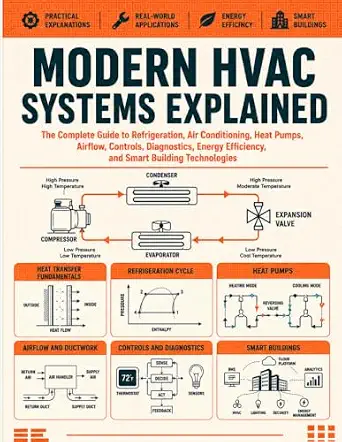 | Best for In-Depth Knowledge and Professional Insight | Coverage Area: HVAC fundamentals to advanced concepts | Intended Audience: Professionals and enthusiasts | Technology Focus: Smart building tech, diagnostics, refrigeration | VIEW ON AMAZON | See Our Full Breakdown |
| Audel HVAC Fundamentals, Volume 3: Air Conditioning, Heat Pumps and Distribution Systems |  | Best for Technical Foundations and Troubleshooting Skills | Coverage: Air conditioning, heat pumps, distribution systems | Target Audience: Technicians, students | Focus: Fundamentals and troubleshooting | VIEW ON AMAZON | See Our Full Breakdown |
| Heat Pump Systems |  | Best for Reliable Climate Control and Energy Savings | Application: Residential and small commercial | Efficiency: High energy efficiency | Climate Suitability: All seasons | VIEW ON AMAZON | See Our Full Breakdown |
| Heat Pumps |  | Best for Cost-Effective, Environmentally Friendly Heating and Cooling | Efficiency: High | Environmental Impact: Low emissions | Initial Cost: High | VIEW ON AMAZON | See Our Full Breakdown |
| Heat Pumps Field Guide: The Complete Technician’s Manual for A2L Refrigerants, Cold-Climate Systems, Defrost Diagnostics, and the New Era of HVAC |  | Best for Advanced Technicians Expanding Cold-Climate and Refrigerant Knowledge | Focus Areas: A2L refrigerants, cold-climate systems, diagnostics | Target Audience: HVAC technicians and service professionals | Depth: Highly technical | VIEW ON AMAZON | See Our Full Breakdown |
More Details on Our Top Picks
HVACR 401: Heat Pumps
This book stands out as the most comprehensive resource for those seeking an in-depth understanding of heat pump technology, making it an excellent reference for HVAC professionals and students. Unlike the more practical guides, it covers installation, operation, and troubleshooting in detail, but its lack of specific product features limits its usefulness for those looking to compare equipment options. It excels at providing theoretical knowledge and technical insight, which helps in diagnosing complex issues or designing systems, but it doesn’t address real-world product specifications or installation procedures for specific models. Compared with books like Heat Pumps: Operation, Installation, Service, this title leans heavily into theory and troubleshooting rather than hands-on guidance. This makes it less suitable for technicians needing quick, practical steps, but invaluable for advanced study or troubleshooting training.
Pros:- Deep technical coverage of heat pump technology
- Excellent resource for troubleshooting complex issues
- Includes detailed installation and operation insights
Cons:- No specific product features or model comparisons
- Limited practical, hands-on guidance
Best for: HVAC technicians, students, or professionals seeking detailed technical knowledge and troubleshooting expertise.
Not ideal for: Homeowners or entry-level technicians who need practical, step-by-step installation or product-specific guidance.
- Intended Audience:HVAC professionals, students
- Coverage:Installation, troubleshooting, operation
- Depth:Advanced, technical
- Format:Theoretical, reference guide
Our verdict“Ideal for HVAC pros and advanced learners who need a thorough technical reference rather than a practical installation manual.”
Heat Pumps: Heating and Cooling – A Beginner’s Handbook with Step-by-Step Guide and Checklist
This handbook is an accessible starting point for those new to heat pump systems, offering clear, step-by-step guidance on installation, operation, and maintenance. Unlike the more technical Heat Pumps: Operation, Installation, Service, it emphasizes user-friendly instructions and checklists, making it perfect for DIY enthusiasts or new technicians. Its comprehensive coverage of both heating and cooling applications helps demystify the technology for laypeople, but it doesn’t include detailed technical specifications or advanced troubleshooting. The content’s simplicity can be a limitation for experienced HVAC pros who require in-depth technical data, but it makes a solid foundational resource for homeowners considering installation or basic maintenance tasks.
Pros:- Clear, step-by-step guidance
- Includes helpful checklists for installation and maintenance
- Covers both heating and cooling fundamentals
Cons:- Lacks detailed technical specifications
- Content may be too basic for seasoned professionals
Best for: Homeowners, DIYers, and new technicians learning the basics of heat pump systems.
Not ideal for: Experienced HVAC professionals needing detailed technical data or advanced troubleshooting information.
- Audience:Homeowners, beginner technicians
- Coverage:Installation, maintenance, operation
- Format:Step-by-step, checklist-based
- Technical Detail:Basic, introductory
Our verdict“This guide makes the most sense for beginners and homeowners looking to understand or perform basic heat pump tasks without technical complexity.”
Troubleshooting & Servicing Heat Pump Systems
This book is tailored for HVAC technicians who need detailed guidance on diagnosing and repairing heat pump systems. While HVACR 401 offers theoretical insights, this title focuses on practical troubleshooting and servicing, making it more suitable for technicians faced with real-world issues. It covers common problems, troubleshooting techniques, and repair procedures across a variety of heat pump models, but its technical language can be intimidating for beginners. Compared to Heat Pumps: Operation, Installation, Service, it emphasizes diagnostics over installation, making it a critical resource for ongoing maintenance and repair work. However, it does not include product specifications or hands-on training components, limiting its use for those new to HVAC.
Pros:- Comprehensive troubleshooting guidance
- Covers a wide range of heat pump issues
- Useful for ongoing maintenance and repair
Cons:- Technical language may be challenging for beginners
- No hands-on or practical training included
Best for: Experienced HVAC technicians and service professionals needing detailed troubleshooting and repair guidance.
Not ideal for: DIY homeowners or entry-level technicians who lack foundational HVAC knowledge or need basic instructions.
- Audience:HVAC technicians, service professionals
- Focus:Troubleshooting, repair
- Coverage:Common issues, maintenance procedures
- Technical Level:Advanced
Our verdict“This manual is essential for experienced technicians focusing on diagnosing and fixing heat pump issues efficiently.”
Heat Pumps: Operation, Installation, Service
This book offers detailed technical guidance on the installation, operation, and servicing of heat pumps, making it well-suited for seasoned HVAC technicians. It provides in-depth insights comparable to HVACR 401, but with a stronger focus on practical installation procedures, system operation, and servicing techniques. Its comprehensive approach makes it a valuable technical resource, but it lacks practical training or simplified explanations for less experienced users. Compared with the beginner-friendly Heat Pumps: Heating and Cooling, this title is better suited for technicians already familiar with basic concepts who need precise technical details for complex system work.
Pros:- Thorough technical guidance
- Detailed installation and servicing instructions
- Suitable for complex system maintenance
Cons:- No practical or hands-on training included
- May be too technical for beginners
Best for: Experienced HVAC professionals needing detailed technical guidance and installation procedures.
Not ideal for: Homeowners or beginners seeking simplified, easy-to-follow instructions without technical depth.
- Audience:HVAC professionals, technicians
- Focus:Installation, operation, servicing
- Depth:Highly technical
- Content Type:Technical manual
Our verdict“This resource is ideal for experienced HVAC technicians requiring detailed technical information for complex heat pump systems.”
Heat Pumps
This succinct overview emphasizes the energy efficiency and environmental benefits of heat pumps, making it a good starting point for budget-conscious consumers or those in colder climates. It highlights key advantages such as lower energy costs and eco-friendliness but also notes practical limitations, like higher upfront costs and performance drops in extreme cold. Unlike the more technical or instructional resources, this book offers a broad understanding suitable for potential buyers weighing the benefits against the costs. It’s less useful for technicians needing detailed installation or troubleshooting guidance but provides a clear explanation of what heat pumps are and their general performance considerations.
Pros:- Highlights energy efficiency and environmental benefits
- Good overview for cost-conscious buyers
- Explains performance limitations in cold weather
Cons:- High initial installation costs
- Limited technical or troubleshooting details
Best for: Homeowners in cold climates or budget-conscious buyers evaluating heat pump benefits and costs.
Not ideal for: HVAC technicians needing detailed technical data or troubleshooting procedures.
- Audience:Homeowners, budget-conscious buyers
- Main Focus:Energy savings, environmental impact
- Limitations:Cold weather performance, high upfront cost
- Technical Detail:Basic overview
Our verdict“This book makes sense for buyers focused on understanding heat pumps’ benefits and limitations rather than technical installation details.”
Modern HVAC Systems Explained: The Complete Guide to Refrigeration, Air Conditioning, Heat Pumps, Airflow, Controls, Diagnostics, Energy Efficiency, and Smart Building Technologies
This comprehensive guide stands out for its detailed exploration of HVAC technologies, including heat pumps, refrigeration, and smart building controls, making it ideal for those seeking a deep understanding beyond just installation or basic operation. Unlike practical manuals like the ‘Heat Pump Field Guide,’ this book offers a broad overview that benefits professionals and serious enthusiasts, though its technical depth may overwhelm beginners. It excels in connecting modern HVAC innovations with energy efficiency and smart tech integration, but lacks specific product specs or practical troubleshooting advice. For anyone wanting a thorough theoretical background or to stay current with industry trends, this resource is invaluable, though it won’t replace hands-on training.
Pros:- Provides a thorough overview of advanced HVAC concepts and smart building integration
- Suitable for both professionals and enthusiasts seeking in-depth knowledge
- Covers modern refrigerants, diagnostics, and control systems comprehensively
Cons:- No specific product features or practical instructions for installation or repair
- Content may be too complex for those new to HVAC technology
Best for: HVAC professionals, engineers, or enthusiasts who want a complete understanding of modern HVAC technologies and smart building systems.
Not ideal for: Beginners or those seeking straightforward installation guidance, as the content is highly technical and broad in scope.
- Coverage Area:HVAC fundamentals to advanced concepts
- Intended Audience:Professionals and enthusiasts
- Technology Focus:Smart building tech, diagnostics, refrigeration
- Complexity:Highly technical
Our verdict“This guide is best suited for advanced users and professionals aiming to deepen their understanding of modern HVAC systems and smart technologies.”
Audel HVAC Fundamentals, Volume 3: Air Conditioning, Heat Pumps and Distribution Systems
Compared with the more theoretical ‘Modern HVAC Systems Explained,’ this book offers practical coverage of heat pumps, air conditioning, and distribution systems, making it a go-to resource for technicians and students aiming to master system components and troubleshooting. While it may lack the broad industry context of the comprehensive guide, its focus on system fundamentals and repair techniques makes it highly valuable for hands-on work. However, it doesn’t include detailed technical diagrams or the latest innovations, which could limit its usefulness for those working with the newest equipment. For those learning or refining technical skills, this volume hits the mark, but it’s less suited for strategic or design-oriented roles.
Pros:- Comprehensive coverage of HVAC system components and troubleshooting
- Useful for both students and practicing technicians
- Focus on fundamental principles aids in understanding system operation
Cons:- Lacks detailed technical diagrams and latest HVAC innovations
- No specific publication date or edition info limits assessment of currency
Best for: HVAC technicians and students seeking a solid grounding in system fundamentals and troubleshooting techniques.
Not ideal for: Advanced engineers or those looking for the latest smart HVAC innovations, due to its focus on basics and lack of detailed diagrams.
- Coverage:Air conditioning, heat pumps, distribution systems
- Target Audience:Technicians, students
- Focus:Fundamentals and troubleshooting
- Edition Info:Not specified
Our verdict“This book is ideal for those needing a practical, foundational understanding of heat pumps and system troubleshooting.”
Heat Pump Systems
This product emphasizes energy-efficient heating and cooling solutions, making it comparable to practical guides like the ‘Heat Pumps: Operation, Installation, Service.’ It offers reliable climate control for residential and small commercial applications, but its limited detailed specifications and absence of customer reviews make it less transparent about performance. It’s well-suited for those prioritizing efficiency and straightforward operation, yet it might not satisfy users needing detailed technical data or extensive troubleshooting guidance. Compared to more technical manuals, this option makes a good choice for buyers seeking dependable climate solutions without complex features.
Pros:- Energy-efficient heating and cooling performance
- Reliable climate control suitable for multiple settings
- Versatile for residential and small commercial use
Cons:- Limited detailed specifications or technical data
- No customer reviews available for performance validation
Best for: Homeowners or small business owners wanting a dependable, energy-saving heat pump system with minimal fuss.
Not ideal for: HVAC professionals or tech-savvy users who need detailed specs or advanced troubleshooting support.
- Application:Residential and small commercial
- Efficiency:High energy efficiency
- Climate Suitability:All seasons
- Installation:Standard
Our verdict“This heat pump system is a solid choice for buyers prioritizing energy savings and simple, reliable operation.”
Heat Pumps
This straightforward overview highlights the core benefits of heat pumps, much like the ‘Heat Pumps’ handbook, emphasizing energy efficiency and cost savings. While it offers a concise explanation of how heat pumps transfer heat for indoor comfort, it falls short on technical details or specific product recommendations. The main tradeoff is that initial installation costs can be high, and performance often drops in extremely cold weather, making it less ideal for regions with severe winters. Nevertheless, for buyers interested in an eco-friendly option that reduces operating costs over time, this overview provides a clear introduction, though it lacks the depth needed for installation or troubleshooting.
Pros:- Energy-efficient operation reduces utility bills
- Cost-effective over long-term use
- Eco-friendly and environmentally sustainable
Cons:- High initial installation costs
- Performance decreases significantly in very cold climates
Best for: Environmentally conscious homeowners interested in understanding heat pump basics and long-term cost savings.
Not ideal for: Professionals or users in cold climates requiring detailed technical guidance or high-performance systems in freezing weather.
- Efficiency:High
- Environmental Impact:Low emissions
- Initial Cost:High
- Performance in Cold Weather:Reduced
Our verdict“This overview suits buyers seeking a simple, eco-friendly heating and cooling solution, provided they are in moderate climates.”
Heat Pumps Field Guide: The Complete Technician’s Manual for A2L Refrigerants, Cold-Climate Systems, Defrost Diagnostics, and the New Era of HVAC
Compared to the more general overviews like ‘Heat Pump Systems,’ this manual offers in-depth guidance on specialized topics such as A2L refrigerants and cold-climate heat pumps, making it ideal for technicians working in challenging environments. It provides detailed diagnostics techniques and covers the latest refrigerant options, which are not addressed in broader consumer or beginner-focused materials. However, its technical depth and lack of practical installation instructions mean it’s less suitable for beginners or DIY enthusiasts. For professionals aiming to enhance their skills for modern, cold-weather HVAC systems, this guide supplies the critical details needed for effective service and troubleshooting.
Pros:- In-depth coverage of cold-climate heat pumps and A2L refrigerants
- Focus on diagnostics and troubleshooting techniques
- Enhances technician skills for modern HVAC systems
Cons:- No pricing info or customer reviews available
- Content may be too technical for beginners
Best for: HVAC technicians and service providers working with cold-climate heat pumps and A2L refrigerants who want advanced technical knowledge.
Not ideal for: Homeowners or entry-level technicians seeking basic operational or installation guidance, due to its technical complexity.
- Focus Areas:A2L refrigerants, cold-climate systems, diagnostics
- Target Audience:HVAC technicians and service professionals
- Depth:Highly technical
- Application:Cold-weather HVAC service
Our verdict“This manual is tailored for experienced technicians seeking to master advanced HVAC systems, especially in cold climates.”

How We Picked
Our selection process focused on evaluating each system’s performance, energy efficiency ratings, build quality, ease of installation, and maintenance needs. We also considered user reviews, manufacturer reputation, and technological features that add value for homeowners and technicians alike. Systems were ranked based on a balanced assessment of these factors, prioritizing reliability and long-term value over short-term affordability or niche features.Factors to Consider When Choosing Rated Hvac Systems Featuring Heat Pumps A Guide
When choosing a rated HVAC system with a heat pump, it’s important to consider several key factors that impact both performance and cost. Not all heat pumps are created equal, and understanding these differences can help prevent costly mistakes. The right system depends on your climate, budget, and desired features. Here are the main aspects to evaluate to ensure you select a system that meets your needs.Climate Compatibility and Cold-Weather Performance
Not all heat pumps operate efficiently in colder climates. If you live in an area with harsh winters, look for models specifically designed for cold-weather operation, which include features like enhanced defrost cycles and lower ambient temperature ratings. Failing to choose a system suited for your climate can lead to reduced heating performance and increased energy costs during winter months.
Energy Efficiency and SEER/HSPF Ratings
Energy efficiency is a major factor influencing long-term costs. Heat pumps with high SEER (seasonal energy efficiency ratio) and HSPF ( Heating Seasonal Performance Factor) ratings consume less electricity for cooling and heating, respectively. Investing in a higher-rated system can significantly lower your utility bills, but it often comes with a higher initial price. Balance your budget with the expected savings to find the best value.
Installation Complexity and Compatibility
Proper installation is vital for optimal performance. Some heat pump systems require complex setups, especially if integrating with existing ductwork or smart controls. Incorrect installation can reduce efficiency, increase maintenance needs, and void warranties. Choose a system compatible with your home’s infrastructure and factor in professional installation costs to avoid surprises.
Smart Features and Diagnostics
Many of the latest systems include smart thermostats, remote diagnostics, and energy management features that improve usability and allow proactive maintenance. While these add convenience, they can also increase the upfront cost. Consider whether these features align with your tech preferences and budget, as they can extend the lifespan and efficiency of your system.
Cost and Long-Term Value
Initial investment varies widely among models, but the key is to evaluate long-term savings through energy efficiency and durability. Cheaper systems may save money upfront but could cost more in repairs and energy over time. Conversely, premium models often offer better warranties and advanced features that justify their higher price for many buyers.
Frequently Asked Questions
How do I know if a heat pump system is suitable for my climate?
Check the system’s rated operating temperature range and cold-weather performance features. Systems designed for colder climates typically include advanced defrost cycles and lower temperature ratings, ensuring efficient heating even when temperatures drop significantly. Consulting local HVAC professionals can also help match the right system to your climate conditions.
Are high-efficiency heat pumps worth the extra cost?
High-efficiency heat pumps can lead to substantial energy savings over their lifespan, especially in moderate to warm climates. Although their initial price is higher, the reduced utility bills and potential rebates or incentives often offset the upfront expense. Evaluate your local energy rates and climate to determine if the savings justify the investment for your situation.
Can I upgrade my existing HVAC system with a heat pump?
Yes, many existing systems can be upgraded with a compatible heat pump, but compatibility depends on your current ductwork, electrical setup, and space. Professional assessment is recommended to ensure proper integration. Upgrading can improve energy efficiency and comfort but may involve additional costs for modifications or new controls.
What maintenance is required for a heat pump system?
Regular maintenance includes cleaning or replacing filters, inspecting the outdoor unit for debris or damage, and ensuring proper refrigerant levels. Annual professional servicing can extend system life, optimize efficiency, and prevent costly repairs. Proper upkeep is essential, especially in climates with seasonal extremes.
Is a smart thermostat necessary for a heat pump?
While not essential, a smart thermostat enhances convenience by allowing remote control and scheduling, which can optimize energy use. Many advanced heat pumps come with compatible smart controls that provide diagnostics and efficiency insights. Weigh the added cost against the potential savings and comfort improvements to decide if it’s right for you.
Conclusion
For most homeowners seeking reliable all-season performance, the best overall system balances efficiency, ease of use, and durability. Those prioritizing savings should consider models with high energy ratings for long-term value. If you have a cold climate, investing in a specialized cold-weather heat pump makes sense. Beginners or those upgrading existing systems will benefit from models with straightforward installation and user-friendly features. For tech enthusiasts or large properties, premium systems with smart controls and diagnostics will deliver the most satisfaction. Match your specific needs and budget to these profiles to make the best choice in 2026.
Halloween Picks
halloween
As an affiliate, we earn on qualifying purchases.