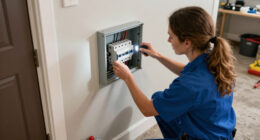
Most homeowners never see or understand the duct leakage test, but it’s essential for your HVAC system’s efficiency. During the test, a technician pressurizes your ducts to detect leaks that can waste energy and compromise air quality. Sealing these leaks improves comfort, lowers bills, and helps prevent costly repairs. If you want to know more about how this invisible process can benefit your home, keep exploring the details below.

Get backup power and energy gear delivered free — and shop member deals
- Fast, free delivery on millions of items
- Access to Prime Big Deal Days deals on October 6–7
- Prime Video, Amazon Music and more included
Key Takeaways
- Most homeowners don’t witness the actual pressurization and measurement process during duct leakage testing.
- Tests are typically performed without homeowner observation to ensure accuracy and safety.
- The technician uses specialized equipment to pressurize and measure airflow escaping from ducts.
- Results are usually shared through reports rather than direct demonstrations for privacy.
- Homeowners often only see the sealed or repaired ducts afterward, not the testing process itself.

A duct leakage test is an indispensable step in guaranteeing your heating and cooling system operates efficiently. When your ducts are sealed properly, your system doesn’t have to work as hard to heat or cool your home, which directly improves energy efficiency. Leaks in your ductwork can cause heated or cooled air to escape before reaching the intended rooms, leading to higher energy bills and unnecessary strain on your HVAC system. By performing a duct leakage test, you identify these leaks early, allowing you to take corrective actions that save money and extend the lifespan of your equipment.
During the test, a technician typically pressurizes your duct system with a special fan and measures how much air escapes. This process reveals the extent of leaks and helps determine whether sealing or repairing is needed. As a homeowner, you might not see this test in action, but understanding its importance can motivate you to prioritize duct sealing. When leaks are sealed properly, you’re not just saving energy—you’re also markedly improving indoor air quality. Leaky ducts can draw in dust, mold, and other pollutants from unconditioned spaces like attics or crawl spaces, which then circulate throughout your home. Sealing leaks reduces this unwanted infiltration, making your indoor environment healthier and more comfortable.
Pressurizing ducts reveals leaks, improving indoor air quality and home comfort through effective sealing.
Additionally, having a sealed duct system can contribute to better air circulation and humidity control, further enhancing your home’s overall comfort. Proper duct sealing can also help prevent energy loss, which is crucial in maintaining consistent indoor temperatures. Energy efficiency is at the heart of what a duct leakage test offers. When your system operates with minimal leaks, it consumes less power, reducing your carbon footprint and lowering utility costs. This is especially important during extreme weather seasons, when your HVAC system is working overtime. Furthermore, a well-maintained duct system can reduce the likelihood of mold growth caused by moisture accumulation in unsealed areas. Regularly conducting duct inspections can help identify potential issues before they become costly repairs. Additionally, a sealed duct system helps maintain consistent indoor temperatures, eliminating hot or cold spots and making your home more comfortable overall. The test also provides peace of mind, knowing your system is functioning at its best and not wasting energy through unnoticed leaks.
Although most homeowners never see a duct leakage test firsthand, its benefits are undeniable. It’s an essential diagnostic step that can lead to substantial savings and a healthier living environment. Sealing leaks not only enhances energy efficiency but also ensures the air circulating through your home is cleaner and free of pollutants. If you’re concerned about rising energy bills or indoor air quality, consider scheduling a duct leakage test. It’s a simple, effective way to improve your home’s comfort, save money, and breathe easier knowing your HVAC system is performing at its best.
As an affiliate, we earn on qualifying purchases.
Frequently Asked Questions
How Often Should Duct Leakage Tests Be Performed?
You should have duct leakage tests performed every few years to guarantee your system stays efficient. Regular inspections using proper inspection techniques help identify leaks in duct materials that can cause energy loss. If you notice uneven heating or increased energy bills, it’s a good idea to schedule a test. Routine testing keeps your HVAC system running smoothly, saving you money and maintaining indoor comfort.
What Are the Signs of Duct Leaks in My Home?
You might notice uneven heating or cooling, higher energy bills, or rooms that never seem comfortable. Duct leaks can cause poor airflow measurement, leading to inefficiency. Check your duct insulation for damages or visible gaps, and listen for hissing sounds when the system runs. These signs often indicate leaks, so inspecting and sealing your ducts can improve efficiency and comfort in your home.
Can Duct Leakage Affect Indoor Air Quality?
Yes, duct leakage can considerably affect your indoor air quality. When ducts leak, dust, allergens, and pollutants can escape into your living spaces, reducing air purity. Leaks also compromise ventilation efficiency, making it harder to maintain fresh, clean indoor air. As a result, you might notice increased allergies or respiratory issues. Sealing leaks improves ventilation, ensuring healthier indoor air and better overall air quality in your home.
Is Duct Sealing a DIY Task or Should Professionals Be Hired?
Think of duct sealing as a quest from your favorite adventure novel—you wouldn’t tackle it alone without some know-how. While sealing techniques can be straightforward with proper duct material, a DIY approach risks missing leaks or damaging components. Hiring professionals guarantees the job’s done right, especially since they bring experience, proper tools, and knowledge of building codes. Trust experts to keep your home’s airflow efficient and safe, avoiding any unwelcome surprises.
How Much Can Duct Sealing or Repair Save on Energy Bills?
Duct sealing can greatly enhance your energy efficiency, leading to impressive cost savings on your bills. When you fix leaks and improve airflow, your HVAC system doesn’t work as hard, reducing energy consumption. While some minor sealing may be manageable on your own, hiring professionals guarantees thorough repairs. Overall, investing in duct sealing is a smart move, helping you save money and enjoy a more comfortable home year-round.
As an affiliate, we earn on qualifying purchases.
Conclusion
Think of your home’s duct system like a garden hose—you might not notice tiny leaks at first, but over time, they waste energy and inflate your bills. Doing a duct leakage test is like patching those tiny holes before they turn into a flood. Once you seal those leaks, your HVAC runs smoother, and your wallet feels lighter. Don’t wait for the drip, drip, drip of higher bills—test and seal today for a more efficient home.
As an affiliate, we earn on qualifying purchases.
air duct pressure test equipment
As an affiliate, we earn on qualifying purchases.
As an affiliate, we earn on qualifying purchases.
Halloween Picks
halloween
As an affiliate, we earn on qualifying purchases.