
To prevent refrigerant leaks and effectively manage F-gases, you should conduct regular inspections with electronic sensors, ultrasonic devices, or UV dye methods. Maintain your equipment with routine checks and proper maintenance to catch leaks early. Use certified recovery tools during servicing or decommissioning to prevent gases from escaping. Staying compliant with regulations helps avoid penalties and reduces environmental impact. Keep learning to discover essential best practices that can keep your system efficient and eco-friendly.

Get backup power and energy gear delivered free with Prime
- Fast, free delivery on millions of items
- Prime Video, Amazon Music and more included
- Member-only deals all year
Key Takeaways
- Conduct regular inspections using electronic sensors, ultraviolet dyes, and ultrasonic devices to detect leaks early.
- Implement routine maintenance to ensure system seals remain intact and prevent minor leaks from escalating.
- Use certified gas recovery procedures during servicing or decommissioning to prevent F-gases from escaping into the environment.
- Train staff on leak prevention best practices and ensure compliance with environmental regulations to reduce risks.
- Maintain accurate records of leak detection and repair activities to monitor system integrity and support regulatory compliance.
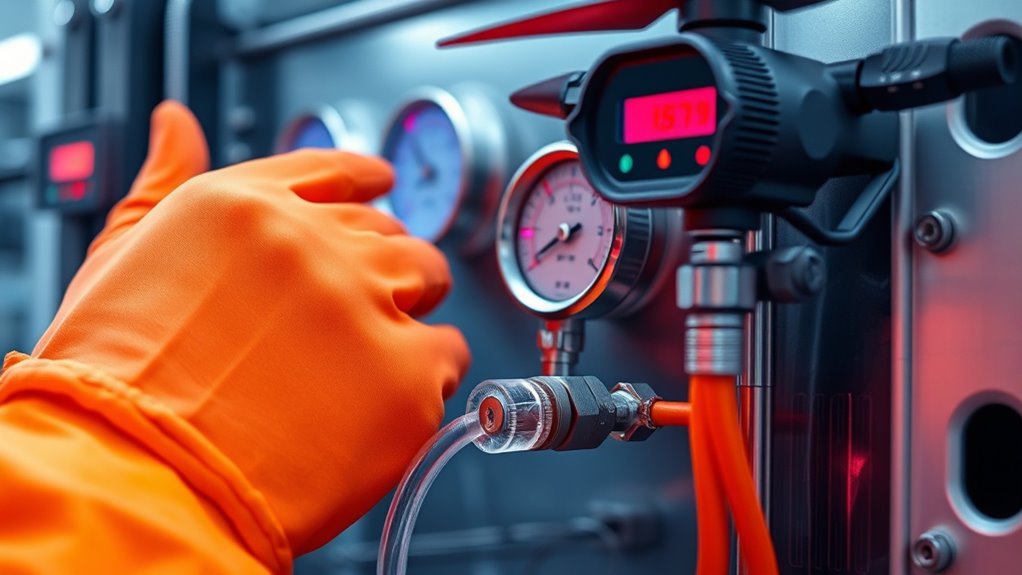
Did you know that refrigerant leaks and F-gases are major contributors to climate change? These issues not only harm the environment but can also be costly and disruptive for your operations. That’s why understanding how to prevent leaks and properly manage F-gases is essential. Leak detection plays a key role here—early detection allows you to identify and fix leaks before they escalate. Modern leak detection techniques include electronic sensors, ultraviolet dye methods, and ultrasonic devices, all designed to help you pinpoint even tiny leaks quickly. Regular maintenance and inspections are necessary; don’t wait for visible signs of a problem. Instead, schedule routine checks to guarantee your systems are sealed tight and functioning efficiently. When you detect a leak, gas recovery becomes your next necessary step. Gas recovery involves safely removing refrigerants and F-gases from your system to prevent further environmental damage and comply with regulations. This process not only stops leaks from releasing harmful gases into the atmosphere but also allows you to recycle or properly dispose of the refrigerant. Proper gas recovery is especially important when servicing or decommissioning equipment—never vent F-gases directly into the air. Instead, use certified recovery equipment operated by trained technicians who understand the importance of minimizing emissions. Implementing effective leak detection combined with proactive gas recovery strategies can considerably reduce your carbon footprint. It also helps you avoid hefty fines and legal penalties associated with improper handling of refrigerants. Furthermore, these practices extend the lifespan of your equipment by preventing corrosion and mechanical failures caused by leaks. Investing in high-quality detection tools and recovery systems might seem costly upfront, but the long-term savings—through reduced refrigerant loss and energy efficiency—are well worth it. Additionally, staying compliant with environmental standards not only protects the planet but also bolsters your reputation as a responsible business. Remember, the key is consistency. Regularly check your systems, train staff on proper procedures, and keep abreast of evolving regulations. Implementing a thorough leak detection and gas recovery program ensures you’re actively reducing F-gas emissions and contributing to climate change mitigation. By staying vigilant and employing best practices, you protect both the environment and your bottom line. In the end, preventing refrigerant leaks isn’t just about avoiding penalties; it’s about taking responsibility for a sustainable future. Proper leak detection and gas recovery are your best tools for minimizing environmental impact, ensuring safety, and maintaining the efficiency of your refrigeration systems. Developing a comprehensive maintenance plan that emphasizes leak prevention is essential for long-term success.
Frequently Asked Questions
How Often Should Refrigerant System Inspections Be Performed?
You should perform refrigerant system inspections at least once every year to guarantee optimal performance and safety. Regular inspection frequency aligns with your maintenance schedules, helping you catch leaks early and prevent environmental harm. If your system operates under heavy use or in harsh conditions, consider more frequent inspections. Staying consistent with these checks keeps your system efficient, reduces repair costs, and ensures compliance with regulations.
What Are the Long-Term Health Effects of F-Gases Exposure?
Chronic exposure to F-gases can lead to serious health issues, affecting your respiratory system, causing coughing, wheezing, or even asthma. Long-term inhalation may impair lung function and increase the risk of respiratory illnesses. You might also experience headaches or dizziness from prolonged exposure. To protect yourself, always follow safety protocols, wear proper equipment, and guarantee good ventilation when handling refrigerants, reducing the risk of long-term health effects.
Can DIY Repairs Effectively Prevent Refrigerant Leaks?
DIY repairs can help prevent refrigerant leaks if you follow proper safety protocols and use effective leak detection techniques. However, it’s essential to prioritize DIY safety, as handling refrigerants can be hazardous. Regularly check for signs of leaks, use soapy water to spot bubbles, and guarantee all fittings are tight. If you’re unsure or uncomfortable, it’s best to consult a professional to avoid accidental releases and ensure proper management.
Are There Alternatives to F-Gases With Lower Environmental Impact?
You can consider natural refrigerants like ammonia, carbon dioxide, or hydrocarbons as eco-friendly alternatives to traditional F-gases. These options have a lower environmental impact, reducing global warming potential and ozone depletion. Switching to natural refrigerants helps you contribute to sustainability efforts while maintaining efficient cooling. Always guarantee proper handling and installation by professionals to maximize safety and performance when using these eco-friendly alternatives.
How Do Regulation Standards Vary Across Different Countries?
You’ll find that regulation standards differ widely across countries due to varying international policies and environmental priorities. Some nations enforce strict compliance benchmarks, requiring regular leak checks and refrigerant recovery, while others have more lenient rules. It’s essential to stay updated on local regulations to guarantee compliance. By understanding these standards, you can better manage F-gases, reduce environmental impact, and avoid penalties associated with non-compliance.
Conclusion
By taking proactive steps to prevent refrigerant leaks and manage F-gases, you protect not only your equipment but also our planet’s future. Remember, as guardians of the environment, your actions echo like a ripple through time—just as the ancient trees stand resilient, your choices today can preserve the delicate balance of nature for generations to come. Stay vigilant, act responsibly, and be part of the solution to a greener, healthier world.
Fall Picks
fall essentials
As an affiliate, we earn on qualifying purchases.