
To become a certified heat pump installer, you’ll need proper training that covers refrigerant handling, safety protocols, and system installation techniques. Certification ensures you meet industry standards, follow safety regulations, and handle refrigerants responsibly to protect the environment. Completing recognized courses and gaining hands-on experience will boost your skills and credibility. If you want to learn more about how training can open doors to better job opportunities, keep exploring the options available.
Key Takeaways
- Proper training ensures safe and effective heat pump installation, refrigerant handling, and compliance with industry standards.
- Certification verifies technical competence, legal compliance, and enhances professional credibility in the HVAC industry.
- Certified installers follow safety protocols, including PPE use and hazard mitigation, reducing accidents and environmental impact.
- Hands-on experience through recognized programs builds practical skills in installation, troubleshooting, and system maintenance.
- Industry organizations and manufacturers offer specialized courses to stay updated with latest technology and safety regulations.

Proper training and certification are indispensable for anyone looking to install heat pumps effectively and safely. When you’re working with these systems, understanding refrigerant handling is paramount. Handling refrigerants improperly can lead to leaks, environmental harm, and health risks. Proper training equips you with the knowledge of how to manage refrigerants responsibly, ensuring you follow industry standards and legal requirements. You’ll learn the correct procedures for recovering, recycling, and disposing of refrigerants to prevent contamination and leaks. This not only protects the environment but also keeps your work compliant with regulations, avoiding costly penalties.
Proper refrigerant handling ensures safe, compliant heat pump installation and protects the environment.
Along with refrigerant handling, mastering safety protocols is essential. Heat pump installation involves working with electrical components, refrigerants under pressure, and sometimes challenging environmental conditions. A thorough training program emphasizes safety protocols to minimize hazards. You’ll learn to identify potential risks, such as electrical shock or refrigerant exposure, and how to use personal protective equipment properly. This knowledge helps you prevent accidents on the job and ensures a safer work environment for everyone involved.
Certification plays a key role in establishing your credibility as a competent heat pump installer. Many jurisdictions require proof of certification before you can legally perform installations or repairs involving refrigerants. Achieving this certification involves completing specialized coursework that covers system design, refrigerant handling, electrical safety, and troubleshooting. Once certified, you demonstrate to clients and employers that you meet industry standards and possess the skills necessary to do the job right the first time. Certification can also open doors to advanced opportunities and increased earning potential.
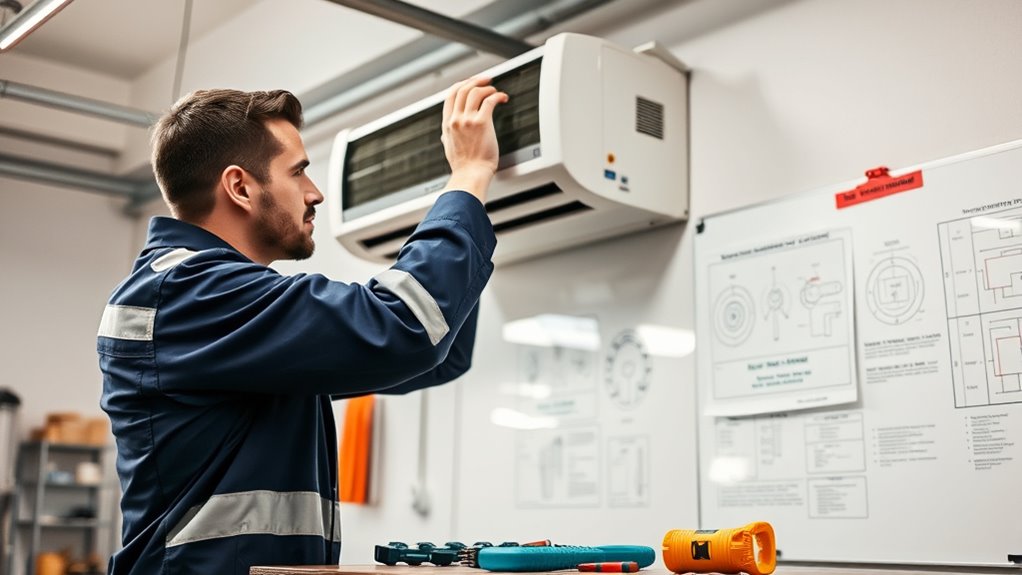
Training programs often include hands-on experience, which is invaluable. You get to practice refrigerant handling techniques under supervision, learn to install heat pumps efficiently, and troubleshoot common issues. This practical experience complements classroom learning and builds your confidence to handle real-world scenarios safely and effectively. Many of these programs are provided by recognized industry organizations or manufacturers, ensuring you receive up-to-date knowledge aligned with current technology and safety standards. Additionally, understanding the importance of payment processing and related security measures can be beneficial for managing business operations efficiently and securely.

Jackery Solar Generator 1000 v2 and 200W Solar Panel,1070Wh,1500W AC
- Powerful AC Output: 1500W continuous, 3000W surge
- Lightweight & Portable: 23.8 lbs with foldable handle
- Fast Charging: 0-100% in 1 hour via app
As an affiliate, we earn on qualifying purchases.
Frequently Asked Questions
How Often Must Heat Pump Installers Renew Their Certification?
You need to renew your heat pump installer certification every few years, typically every 1 to 3 years, depending on your certification body’s requirements. Certification renewal involves completing continuing education courses to stay updated on the latest installation techniques and safety standards. Make sure to monitor your renewal deadlines and maintain your continuing education credits to ensure your certification remains valid, allowing you to continue providing professional heat pump installation services.
Are There Different Certification Levels for Residential and Commercial Heat Pumps?
You might think all heat pump certifications are the same, but there are different levels for residential and commercial systems. Certification standards and installation guidelines vary to guarantee safety and efficiency. Commercial heat pump installers often need more advanced training and higher certification levels due to system complexity. By understanding these distinctions, you guarantee compliance and deliver quality installations tailored to each setting, boosting your credibility and customer trust.
Do Training Programs Include Hands-On Installation Experience?
Yes, training programs include hands-on installation experience, helping you develop practical skills essential for real-world work. You’ll get to practice installing heat pumps under supervision, which builds confidence and competence. These programs also emphasize safety procedures, ensuring you understand how to protect yourself and others during installation. Gaining this practical experience prepares you for the job, making you more efficient and safer in handling heat pump systems.
What Are the Costs Associated With Certification Courses?
The costs for certification courses vary depending on the program. You can expect to pay for training program fees, which may range from a few hundred to over a thousand dollars. Certification exam costs are often separate, typically around $100 to $300. Keep in mind, some courses include exam fees in their overall price, so it’s wise to review the detailed fee structure before enrolling.
Are Online Training Options Available for Heat Pump Installation Certification?
Yes, online training options are available for heat pump installation certification. You can access thorough online modules that cover essential concepts, and many programs include virtual labs where you can practice skills in a simulated environment. These flexible options allow you to learn at your own pace, making it easier to fit training into your schedule. Just ensure the program is recognized by relevant industry authorities for certification purposes.

DELLA Econo Series 23000 BTU Mini Split Air Conditioner 17 SEER2, 230V Cools up to 1500 Sq. Ft, Works with Alexa and Wifi, Heater Ductless Inverter System with Heat Pump,16.4ft Installation Kit
- Energy Efficient Cooling: 17 SEER2 inverter heat pump system
- Large Coverage Area: Cools and heats up to 1500 sq. ft.
- Works in Cold Temperatures: Operates down to 5°F (-15°C)
As an affiliate, we earn on qualifying purchases.
Conclusion
Getting trained and certified as a heat pump installer is your golden ticket to mastering the craft and building trust. Think of it as planting a seed that will grow into a thriving career, rooted in expertise and professionalism. With the right knowledge, you’ll navigate installations smoothly and confidently, making your reputation shine brighter than ever. Don’t wait for the perfect moment—take the first step today, and watch your skills blossom like a spring garden.

ECO-WORTHY Powermega 48V 314Ah(2 Pack) LiFePO4 Energy Storage System with Liber 10KP 10kW Hybrid Inverter, Active Balancing BMS, Battery Built-in Bluetooth&WiFi, Communication for Off-Grid&Home Backup
- Home Backup Capacity: 30kWh+ energy storage with inverter
- Communication & Monitoring: WiFi, Bluetooth, RS485, CAN, RS232
- Real-Time System Access: LCD display for voltage, SOC, cycles
As an affiliate, we earn on qualifying purchases.

Renogy Inverter P2 3000W, 12V to 110V Pure Sine Wave Solar Car Power Inverter, DC to AC Converter with 16.4FT Remote Control for RV, Truck, Camping, Home Backup, Outdoor, Emergency, Off-Grid Living
- Power Output: 1000W continuous, 2000W surge
- Pure Sine Wave: Provides grid-like quality AC power
- Electronics Protection: Over-voltage, under-voltage, overload, over-temperature protection
As an affiliate, we earn on qualifying purchases.