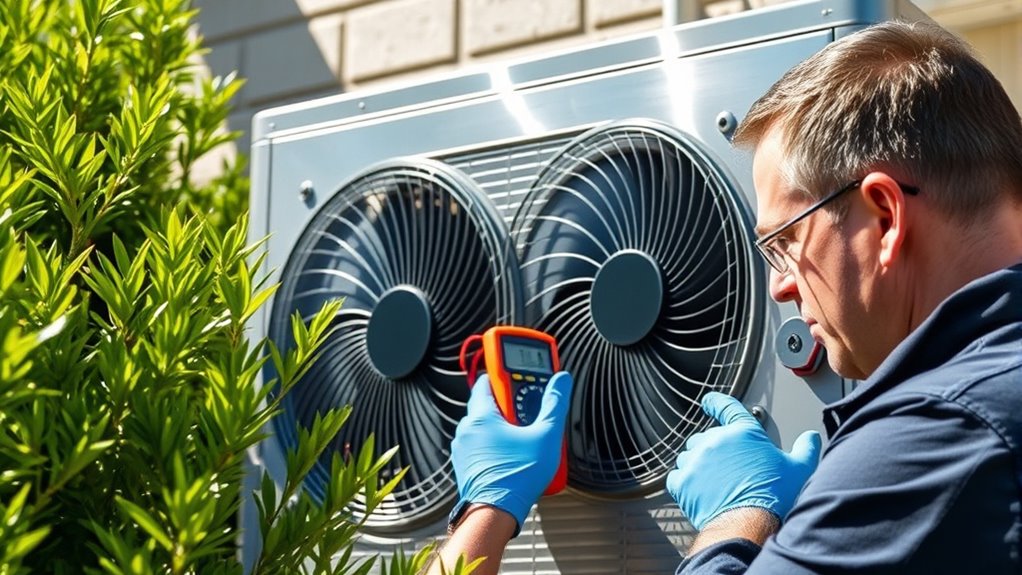
If your heat pump is acting up, start by checking for frost buildup on the outdoor unit, especially if temperatures drop below freezing. Turn off the system and clear any ice or debris, and verify your coils are clean. Also, inspect your thermostat for batteries or wiring issues, and reset or recalibrate if needed. Addressing these common problems can restore efficiency, and you’ll discover more tips to troubleshoot your system effectively as you look further.

Get backup power and energy gear delivered free with Prime
- Fast, free delivery on millions of items
- Prime Video, Amazon Music and more included
- Member-only deals all year
Key Takeaways
- Check for frost buildup on the outdoor unit, which indicates system issues like defrost cycle failure or refrigerant leaks.
- Ensure the thermostat is functioning correctly by replacing batteries, resetting, or recalibrating it.
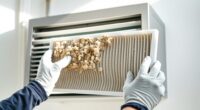
- Keep the outdoor unit free of debris and clean coils to maintain proper airflow and prevent frost formation.
- Inspect for refrigerant leaks or low levels that impair heat transfer and cause system inefficiency.
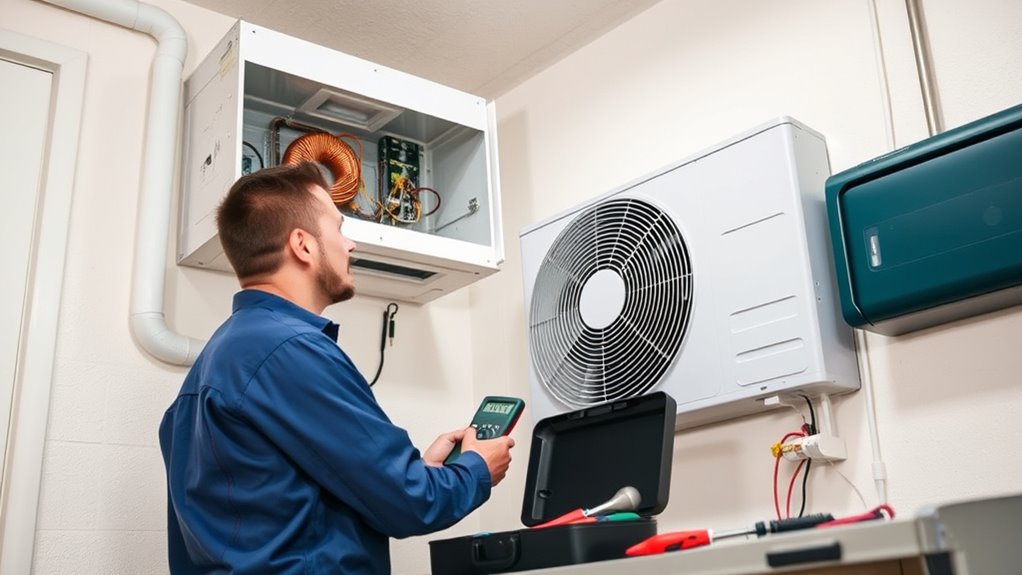
- Schedule professional maintenance to diagnose and fix issues related to refrigerant, electrical wiring, or mechanical components.
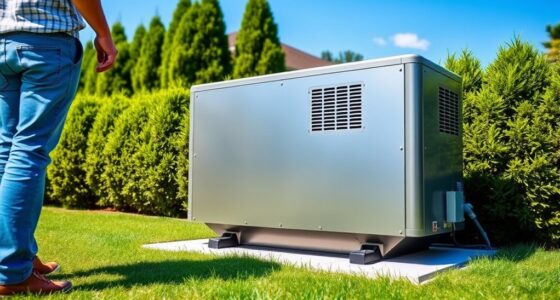
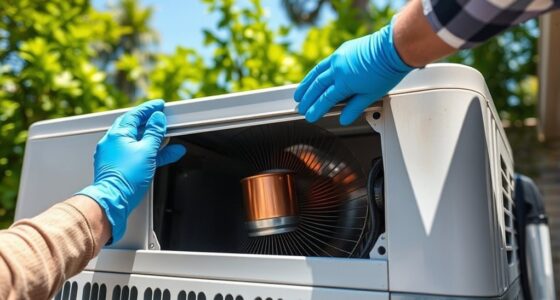
Are you experiencing issues with your heat pump? If so, you’re not alone. Many homeowners face common problems that can often be resolved with a little troubleshooting. One of the first signs something’s wrong is frost buildup on the outdoor unit. This frost can block airflow and reduce efficiency, making your heat pump work harder than it should. Frost buildup typically occurs when the outdoor temperature drops below freezing, and the system’s defrost cycle isn’t functioning properly. If you notice thick ice on the coils, it’s important to turn off the unit and let it thaw before attempting to diagnose the issue further. Sometimes, frost forms because of refrigerant leaks or dirty coils, which prevent proper heat transfer. Regular maintenance, like cleaning the coils and checking refrigerant levels, can prevent frost buildup and keep your heat pump running smoothly. Proper airflow and system efficiency are crucial factors in preventing such issues.
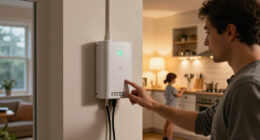
Another common issue you might encounter involves thermostat malfunctions. Your thermostat acts as the control center for your heat pump, telling it when to turn on or off. If it’s malfunctioning, your system might not respond correctly, leading to inconsistent heating or cooling. You might notice your home isn’t reaching the desired temperature, or the system keeps cycling on and off without properly maintaining comfort. Sometimes, thermostat malfunctions are caused by dead batteries, wiring issues, or calibration errors. Always start by replacing batteries and resetting the thermostat. If that doesn’t work, check for loose wiring or consider recalibrating the device. An inaccurate thermostat can cause your heat pump to run unnecessarily, increasing energy costs and reducing system lifespan. Ensuring your thermostat is properly calibrated and functioning can significantly improve your system’s performance.
In many cases, issues with your heat pump stem from simple causes that you can address yourself. For frost buildup, keeping your outdoor unit free of debris and ensuring proper airflow can help prevent ice formation. Regularly scheduling professional inspections can also catch refrigerant leaks or coil dirt before they become bigger problems. When dealing with thermostat malfunctions, verifying the settings and replacing batteries often solves the problem. If not, it might be time to replace the thermostat altogether or call in a technician for a deeper diagnosis. Remember, ignoring these issues can lead to more significant damage, higher energy bills, and less comfort in your home. Addressing frost buildup early and ensuring your thermostat functions correctly will help keep your heat pump operating efficiently and reliably. Taking these simple steps can save you time and money while maintaining a warm, comfortable environment.
Frequently Asked Questions
How Often Should I Schedule Professional Heat Pump Maintenance?
You should schedule a professional heat pump maintenance at least once a year, preferably before the peak season. A regular maintenance schedule guarantees your system runs efficiently and prevents unexpected breakdowns. During the professional inspection, technicians check refrigerant levels, clean components, and identify potential issues early. Staying consistent with this routine helps extend your heat pump’s lifespan and maintains peak performance throughout the year.
Can a Dirty Filter Cause My Heat Pump to Malfunction?
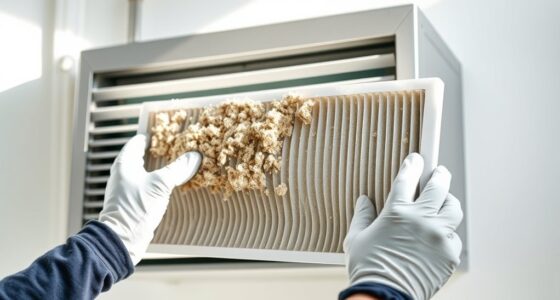
Think of your heat pump like a well-oiled machine; a dirty air filter acts as a clog in the bloodstream, causing airflow restriction. This can lead to malfunctions, as the system struggles to heat or cool efficiently. Regularly replacing or cleaning your air filter keeps airflow smooth, preventing issues and ensuring your heat pump runs reliably. Don’t ignore that filter—it’s essential for peak performance!
What Is the Typical Lifespan of a Heat Pump?
A heat pump typically lasts around 10 to 15 years, depending on its durability and maintenance. Factors like regular servicing, choosing a high-quality unit, and proper installation can extend its lifespan. You should also consider usage patterns and climate conditions, as harsh weather can impact longevity. By staying proactive with upkeep, you maximize your heat pump’s durability and ensure it provides efficient heating and cooling for years to come.
How Do I Reset My Heat Pump After a Power Outage?
It’s likely true that many heat pumps require a simple reset after a power outage to resume normal operation. To do this, locate the disconnect switch or circuit breaker for your heat pump, turn it off, wait about 30 seconds, then turn it back on. If your system has a reset button, press it. This reset procedure clears any error codes caused by the outage and helps restore your heat pump’s functionality.
Is It Normal for the Heat Pump to Make Noise During Operation?
It’s normal for your heat pump to make some noise during operation, but the noise levels should be manageable. You might hear operational sounds like clicking, humming, or gentle fans running, which are typical as the system heats or cools your space. However, if the noise becomes loud, sudden, or unusual, it could indicate a problem. Keep an ear out for persistent or strange sounds to guarantee your heat pump runs smoothly.
Conclusion
Now that you know how to troubleshoot common heat pump problems, you can save time and money by addressing issues early. Did you know that regular maintenance can extend your heat pump’s lifespan by up to 40%? Staying proactive not only keeps your system running efficiently but also reduces costly repairs. Keep an eye on performance and schedule professional checkups when needed. With these tips, you’ll keep your home comfortable all year round.
Halloween Picks
halloween
As an affiliate, we earn on qualifying purchases.