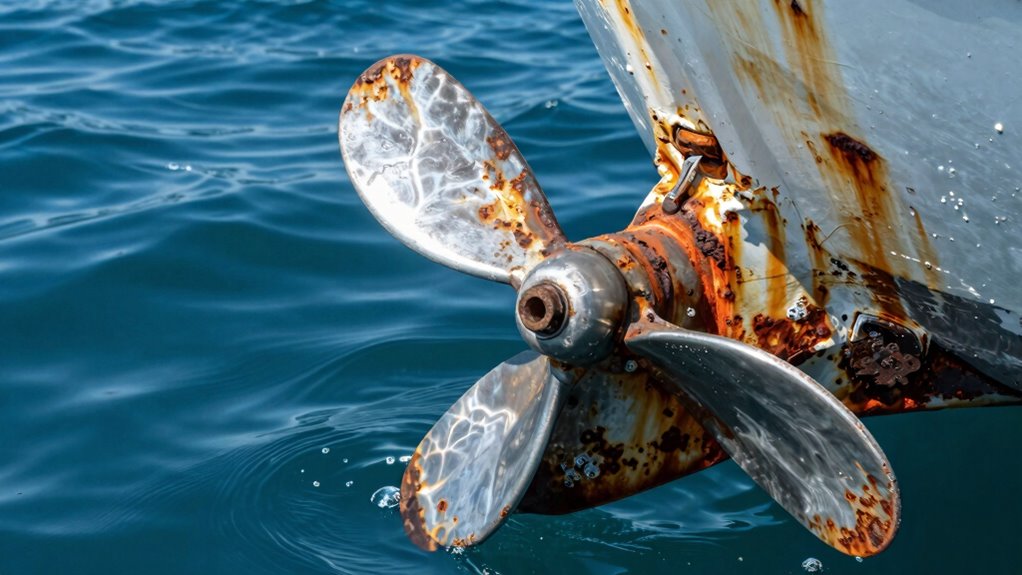

Many buyers overlook vital saltwater compatibility details, leading to premature corrosion and costly failures. You might choose materials like standard steel, which aren’t suited for saltwater, or skip protective coatings that can extend lifespan. It’s imperative to understand how different materials resist corrosion and how coatings add extra protection. Without considering these details, you risk damaging your equipment quickly. Stay aware—if you keep going, you’ll discover key factors that help guarantee your equipment lasts longer in salty environments.
Listen free for 30 days with Audible
Thousands of audiobooks and originals — cancel anytime.
As an affiliate, we earn on qualifying purchases.
Key Takeaways
- Buyers often neglect to consider the specific corrosion resistance of materials like 316 or 904L stainless steel in saltwater.
- Many overlook the importance of applying protective coatings such as epoxy or galvanization for enhanced durability.
- Regular maintenance and inspections are frequently skipped, risking unnoticed corrosion progression.
- The understanding of corrosion mechanisms is often underestimated, leading to poor material or coating choices.
- Combining suitable materials with protective techniques is essential but commonly underestimated in saltwater applications.

Are you wondering how well your equipment can withstand saltwater environments? It’s a vital question that often gets overlooked during the purchasing or maintenance process. Many people focus on the immediate functionality or cost, but neglect to consider the long-term durability of their gear in harsh, salty conditions. One key aspect that’s frequently skipped is corrosion prevention, which hinges heavily on proper material selection. If you choose the wrong materials or ignore corrosion-resistant options, your equipment can deteriorate rapidly, leading to costly repairs or replacements.
Material selection plays a critical role in ensuring your equipment’s longevity in saltwater. Metals like standard steel are highly susceptible to corrosion when exposed to salty environments, making them poor choices without proper protective coatings. Instead, you should look for materials specifically designed to withstand corrosion, such as stainless steel grades like 316 or 904L, or non-metallic options like composites and plastics. These materials resist the corrosive effects of saltwater much better, providing you with a more reliable and durable product. It’s tempting to cut corners by opting for cheaper materials, but that often results in reduced lifespan and increased maintenance costs down the line. Incorporating corrosion-resistant materials is essential for long-term durability in salty environments.
Corrosion prevention isn’t just about selecting the right materials; it also involves applying protective coatings and finishing techniques that serve as barriers against saltwater. Epoxy paints, galvanization, or specialized corrosion inhibitors can greatly extend the life of your equipment. However, many buyers overlook these additional layers of protection, assuming that the base material alone will suffice. That’s a mistake. Combining proper material choice with effective corrosion prevention strategies creates a thorough defense system that keeps your equipment performing excellently in salty conditions. Regular maintenance and inspection are equally crucial, as even the most resistant materials will degrade over time without proper care. Implementing preventive maintenance routines is essential for spotting early signs of corrosion and addressing them before they escalate. Additionally, understanding corrosion mechanisms can help you better anticipate potential issues and take proactive steps to mitigate them. Being aware of these mechanisms also guides you in selecting the most appropriate protective coatings to maximize longevity and performance.
316 stainless steel marine hardware
As an affiliate, we earn on qualifying purchases.
As an affiliate, we earn on qualifying purchases.
Frequently Asked Questions
How Often Should I Inspect Saltwater Compatibility Components?
You should inspect saltwater compatibility components at least once a month to guarantee corrosion prevention and proper functioning. Regular inspections help you spot early signs of corrosion or material degradation. When checking, pay attention to material selection and look for any corrosion or wear. Consistent, proactive inspections allow you to address issues early, extending the lifespan of your components and maintaining peak performance in harsh saltwater environments.
Are There Specific Brands Known for Better Saltwater Resistance?
Yes, some brands are known for better saltwater resistance. Look for products with corrosion-resistant coatings and made from marine grade materials, which withstand saltwater exposure better. Brands like Lewmar, Harken, and Lewmar often incorporate these features into their components, ensuring durability. Always check product specifications to confirm they’re designed for saltwater environments, and consider regular inspections to maintain their resistance over time.
What Signs Indicate Saltwater Corrosion Earlier?
You can spot early saltwater corrosion signs by looking for discoloration, especially white or greenish patches, on metal surfaces. You might also notice pitting or a flaky texture, which indicates material breakdown. To prevent this, focus on corrosion prevention by choosing materials like stainless steel or aluminum designed for saltwater. Regular cleaning and maintenance also help detect issues early, ensuring your equipment stays protected and functional longer.
Can I Upgrade Parts for Improved Saltwater Durability?
You can definitely upgrade parts for better saltwater durability. For example, switching to stainless steel or titanium components enhances corrosion resistance considerably. When considering upgrades, focus on material selection—choose alloys specifically designed for saltwater environments. Upgrading your gear with corrosion-resistant materials ensures longevity, reduces maintenance, and improves performance. Always verify that new parts are compatible with your existing setup, and consult with experts to optimize your upgrades for saltwater conditions.
Is Professional Maintenance Necessary for Saltwater Systems?
Yes, professional maintenance is necessary for saltwater systems. It helps with corrosion prevention, ensuring your system stays functional and lasts longer. Regular maintenance reduces unexpected issues, saving you money on costly repairs later. Although it might increase maintenance costs upfront, it’s a worthwhile investment. Proper upkeep keeps your system in top shape, prevents corrosion, and maintains peak performance, making professional help essential for saltwater compatibility and longevity.
saltwater corrosion resistant coatings
As an affiliate, we earn on qualifying purchases.
As an affiliate, we earn on qualifying purchases.
Conclusion
Don’t overlook saltwater compatibility details—they’re your first line of defense, your assurance of durability, and your guarantee of performance. By paying attention to these details, you protect your investment, extend the lifespan of your gear, and guarantee smooth sailing every time. Remember, when you prioritize saltwater compatibility, you’re choosing reliability, resilience, and peace of mind. So, check those details carefully, make informed decisions, and enjoy the confidence that comes with being prepared for anything the saltwater throws your way.
marine epoxy paint for saltwater
As an affiliate, we earn on qualifying purchases.
As an affiliate, we earn on qualifying purchases.
galvanized steel fittings for saltwater
As an affiliate, we earn on qualifying purchases.
As an affiliate, we earn on qualifying purchases.
Flea & tick season Picks
flea and tick prevention
As an affiliate, we earn on qualifying purchases.