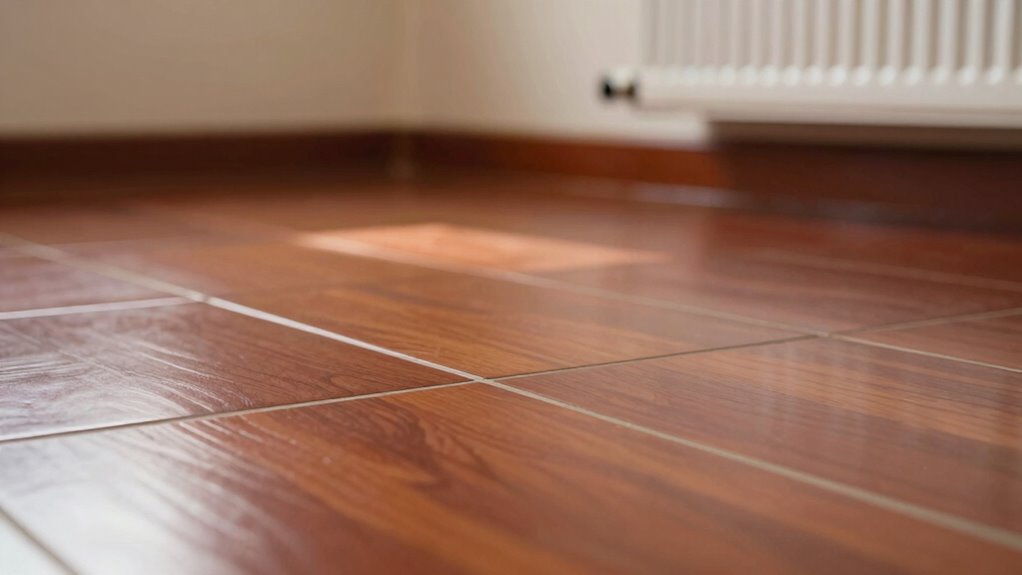

Slab heating feels so different because it provides radiant warmth that rises from the ground, making you feel naturally cozy and comfortable. Unlike forced air, which blows warm air and can cause drafts and uneven temperatures, slab heating creates a steady, uniform heat that eliminates cold spots. It also reduces air movement, keeping dust and allergens down, which boosts comfort. If you want to understand why this system feels so uniquely soothing, there’s more to discover below.

Get backup power and energy gear delivered free — and shop member deals
- Fast, free delivery on millions of items
- Access to Prime Big Deal Days deals on October 6–7
- Prime Video, Amazon Music and more included
Key Takeaways
- Slab heating radiates warmth directly from the floor, creating a gentle, even heat that feels natural and soothing.
- It heats surfaces and objects, leading to consistent comfort without drafts or temperature swings.
- Unlike forced air, slab heating doesn’t stir dust or allergens, resulting in a quieter, cleaner environment.
- Slab heating provides a stable indoor climate, reducing the need for constant thermostat adjustments.
- The warmth from slab heating feels as if it’s coming from the ground, offering a more cozy and inviting sensation.

When it comes to feeling warm in your home, slab heating and forced air systems deliver very different experiences. With slab heating, you get radiant warmth that rises from the floor, creating a sense of thermal comfort that feels more natural and soothing. Unlike forced air, which blows warm air into the room and can create drafts or uneven temperatures, slab heating warms objects and people directly through radiant heat transfer. This process envelops you in a consistent, gentle heat that feels as if the warmth is coming from the ground beneath your feet, making your entire space feel cozy and inviting.
Radiant warmth from slab heating is especially noticeable because it heats surfaces and objects rather than just the air. As the heated concrete or other flooring material radiates heat upward, it creates a uniform temperature across the room. This helps eliminate cold spots and fluctuating drafts, providing a stable environment where you don’t have to constantly adjust the thermostat to stay comfortable. You may find that you can set the temperature lower than with forced air systems, because the warmth feels more natural and evenly distributed. This contributes to a heightened sense of thermal comfort, making your home feel more consistent and pleasant regardless of the outdoor weather. Additionally, smart controls can optimize heating efficiency and further enhance comfort.
Radiant slab heating creates even, natural warmth, eliminating cold spots and drafts for a cozy, comfortable home environment.
Forced air systems, on the other hand, rely on blowing warm air through vents, which often leads to uneven heating. You might notice that the air near the vents is warm, but the farther corners or lower levels of the room remain chilly. The movement of air can sometimes stir up dust or allergens, which can be uncomfortable or problematic for allergy sufferers. Additionally, forced air tends to create temperature swings, and the sensation of drafts can detract from the feeling of warmth. While these systems heat the space quickly, they often do so at the expense of comfort, leaving you with a sense of uneven warmth and sometimes dry indoor air.
In essence, slab heating offers a more natural, consistent warmth that enhances your overall comfort. It eliminates the feeling of cold spots and drafts, creating a cozy environment that feels more like a gentle, enveloping hug. Forced air, while effective for quick heating, often sacrifices the subtlety and consistency of radiant warmth. If you’re seeking a home environment that feels uniformly warm, with a sense of thermal comfort that’s gentle on your senses, slab heating might be the better choice. It transforms the way you experience warmth, making your home feel more inviting and comfortable in ways that forced air simply can’t replicate. Understanding radiant heat transfer helps explain why this system provides such a different and more comfortable experience.
Frequently Asked Questions
How Does Slab Heating Impact Indoor Air Quality?
Slab heating improves indoor air quality by reducing dust and allergens, as it doesn’t rely on air circulation like forced air systems. This minimizes the movement of airborne particles, creating a cleaner environment. Additionally, slab heating helps with moisture control, preventing mold growth and excess humidity that can harm air quality. You’ll notice fresher air and less allergy irritation, making your indoor space healthier and more comfortable.
Can Slab Heating Be Used With Existing Flooring Types?
Surprisingly, slab heating can work with many existing flooring types, but don’t expect a simple renovation. Flooring compatibility and installation challenges often come into play, especially with delicate or thick surfaces. You might find that some flooring materials require extra insulation or adjustments, making the process more complex. So, while it’s possible, be prepared for some hurdles—your dream of seamless warmth might need a bit of extra effort.
What Maintenance Is Required for Slab Heating Systems?
You’ll need to regularly inspect your slab heating system for leaks or damage, especially around connections, to guarantee its durability. Keep the system clean and free of debris, and schedule professional check-ups annually. Due to installation complexities, proper maintenance helps prevent costly repairs. Also, monitor the thermostat and control system to ensure efficient operation, extending your system’s lifespan and maintaining consistent heat.
How Does Slab Heating Affect Energy Efficiency?
Slab heating is like a gentle, consistent hug that improves energy efficiency by evenly distributing heat through thermal insulation. You’ll notice less energy loss compared to forced air systems since it keeps warmth close to the floor, reducing drafts and hot spots. This efficient heat distribution means you use less energy to stay comfortable, lowering your utility bills and reducing your carbon footprint.
Are There Any Safety Concerns With Slab Heating?
There are safety concerns with slab heating, mainly related to fire hazards and electrical issues. You should follow safety precautions like ensuring proper installation by professionals, regularly inspecting the system, and avoiding damage to the heating elements. Keep combustible materials away from the slab, and install smoke detectors. Proper maintenance and adherence to safety guidelines help minimize risks, making slab heating a safe and efficient home heating option when handled correctly.
Conclusion
So, next time you step onto your warm floor and feel that unexpected comfort, remember it’s no coincidence. The way slab heating radiates warmth through your feet, contrasting with forced air’s quick but fleeting heat, creates a unique experience. It’s almost as if the floor and air are dancing in harmony, subtly reminding you how design and physics intertwine. In this quiet, cozy moment, you realize that sometimes, the most subtle differences make all the difference.
Halloween Picks
halloween
As an affiliate, we earn on qualifying purchases.