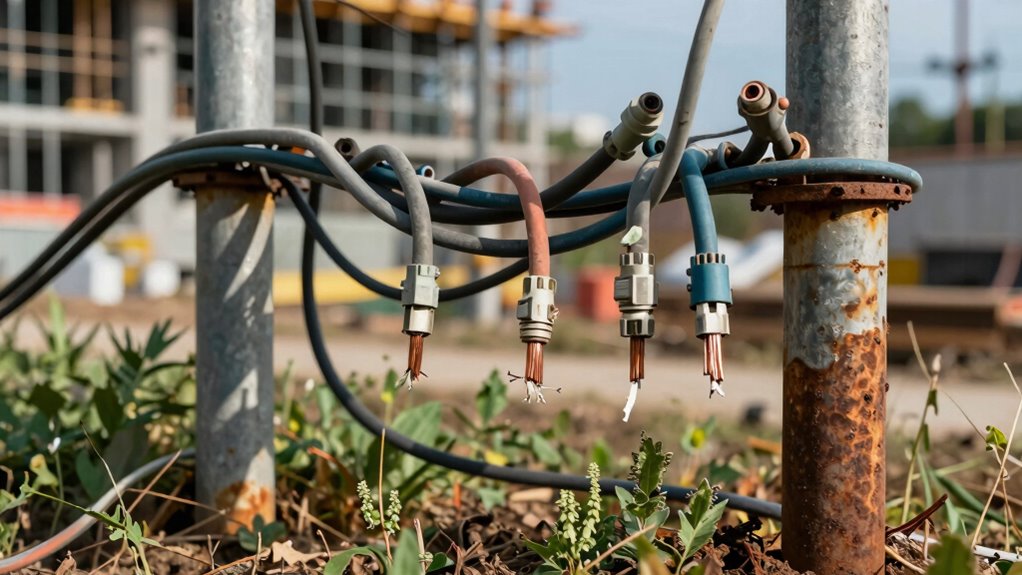

The fastest way to create power problems is skipping proper wiring planning during your site setup. Using generic or poorly designed wiring can cause overloads, safety hazards, and frequent power outages. Without considering future expansion and adhering to safety standards, you risk damaging equipment and increasing repair costs. Poor initial wiring sets a foundation for ongoing issues and inefficiencies. To avoid this, you’ll want to focus on detailed plans and quality materials—then discover how to get it right from the start.

Get backup power and energy gear delivered free with Prime
- Fast, free delivery on millions of items
- Prime Video, Amazon Music and more included
- Member-only deals all year
Key Takeaways
- Skipping detailed wiring planning leads to overloads and circuit trips, causing rapid power disruptions.
- Using generic or low-quality wiring materials increases the risk of electrical failures and system instability.
- Neglecting future expansion in wiring design causes early overloads and limits system growth.
- Ignoring electrical codes and safety standards results in hazards and frequent power issues.
- Poor site setup without proper connections and specialized renewable wiring causes quick power inconsistencies.

Have you ever launched a website only to realize it doesn’t attract visitors or convert prospects as expected? The same principle applies when setting up a physical site, especially if you’re working with renewable energy systems or electrical wiring. One common mistake that quickly leads to power problems is neglecting the initial site setup, particularly the planning of electrical wiring. If your electrical wiring isn’t designed correctly from the start, you risk frequent outages, safety hazards, and costly repairs down the line. When integrating renewable energy sources like solar panels or wind turbines, proper wiring becomes even more critical because these systems require specialized connections and configurations. Failing to plan this properly can result in inconsistent energy flow, equipment damage, or inefficient power distribution.
Proper initial wiring planning is crucial for reliable, safe, and efficient renewable energy system performance.
The first step is understanding that the site setup isn’t just about installing equipment; it’s about creating a seamless, safe, and efficient electrical infrastructure. You might be tempted to cut corners by using generic wiring or skipping detailed planning, but that approach invites trouble. For example, inadequate electrical wiring can cause overloads, tripping circuit breakers, or even fires—risks that are especially dangerous when dealing with renewable energy sources, which often operate at different voltages and currents than traditional grids. Without proper wiring, your renewable energy system won’t function at its best, and you’ll face ongoing power problems that can be expensive to fix later. Proper site setup planning can significantly reduce these risks and improve overall system performance. Additionally, understanding electrical safety standards** is essential to ensure compliance and protect everyone on the site. Consulting with specialists who understand renewable energy integration** can further help prevent common wiring mistakes and ensure your system operates safely and efficiently.
Another mistake is ignoring the importance of future expansion. When you’re setting up your site, you need to take into account potential growth or upgrades. If you don’t plan for additional circuits or larger wiring capacity, you’ll end up having to redo your electrical wiring sooner than expected. This not only delays your project but also introduces unnecessary costs and risks. Additionally, poor site setup often involves ignoring local electrical codes or safety standards, which can lead to compliance issues and hazards. Proper wiring design principles are essential to accommodate future needs without compromising safety or performance. Planning for these factors upfront can also help you select appropriate wiring materials that are compatible with both current and future system requirements, ensuring longevity and safety.
To avoid these pitfalls, you should invest time in a detailed electrical wiring plan aligned with your renewable energy goals. Use high-quality wiring materials suited for your system’s voltage and current requirements, and ensure that your setup adheres to all safety standards. Proper planning also means working with professionals who understand renewable energy integration and electrical wiring best practices. This way, you create a reliable foundation that prevents power problems, maximizes your energy efficiency, and keeps your site safe for everyone involved. Ultimately, the right initial setup saves you time, money, and headaches, ensuring your renewable energy system functions smoothly for years to come.
residential electrical wiring kit
As an affiliate, we earn on qualifying purchases.
As an affiliate, we earn on qualifying purchases.
Frequently Asked Questions
How Can I Identify if My Site Setup Caused Power Issues?
You can identify if your site setup caused power issues by checking for inconsistent energy efficiency and safety compliance. Look for frequent circuit breaker trips, flickering lights, or unexpected power outages. Inspect your wiring and verify they meet safety standards. If you notice signs of overload or improper connections, it indicates a setup mistake. Addressing these issues promptly helps maintain ideal power flow and guarantees your site remains safe and energy-efficient.
What Are the Most Common Early Signs of Setup-Related Power Problems?
You might notice flickering lights, unexpected circuit trips, or persistent electrical noise—early signs your setup could be faulty. These issues often stem from poor electrical grounding or uneven load balancing, which strain your system and cause instability. Keep an eye out for these warning signs; ignoring them can lead to more serious power problems down the line. Addressing grounding and load issues early can save you from costly repairs later.
Are There Specific Tools to Detect Site Setup Errors Impacting Power?
Yes, tools like thorough site inspection checklists and quality assurance software help detect setup errors impacting power. You should conduct regular inspections to identify wiring issues, grounding problems, or improper connections early. Using digital tools for quality assurance ensures consistency and records problems for prompt correction. These methods enable you to spot errors quickly, preventing power problems from escalating and maintaining a safe, reliable power system on your site.
How Long Does It Typically Take for Setup Mistakes to Cause Power Failures?
Setup mistakes can cause power failures within days, especially if a power surge occurs or equipment failure happens. If your site has improper wiring or inadequate grounding, you might notice issues quickly, sometimes before a week passes. These mistakes can stress your electrical system, leading to sudden outages or damage. Regular inspections and proper installation help prevent these problems, ensuring your equipment stays safe and functional for the long term.
Can Minor Setup Errors Lead to Long-Term Power System Damage?
Yes, minor setup errors like improper equipment calibration or wiring anomalies can cause long-term damage. These seemingly small mistakes might not show immediate effects but can lead to overheating, stress on components, and eventual failure. Over time, this hidden damage compromises your system’s reliability and lifespan. Stay vigilant during setup—double-check calibration and wiring—to prevent these minor errors from escalating into costly, long-term problems.
As an affiliate, we earn on qualifying purchases.
Conclusion
So, here’s the irony: the very mistake that seems harmless—skipping proper site setup—can turn into a power problem nightmare faster than you’d think. You set everything up in a rush, thinking it’s no big deal, only to find yourself scrambling when issues hit. Maybe next time, you’ll remember that a little extra effort at the start can save you from a lot of hassle later. Because sometimes, rushing to save time ends up costing you more.
As an affiliate, we earn on qualifying purchases.
electrical safety standards guide
As an affiliate, we earn on qualifying purchases.
As an affiliate, we earn on qualifying purchases.
Columbus Day / Indigenous Peoples' Day Picks
long weekend sales
As an affiliate, we earn on qualifying purchases.