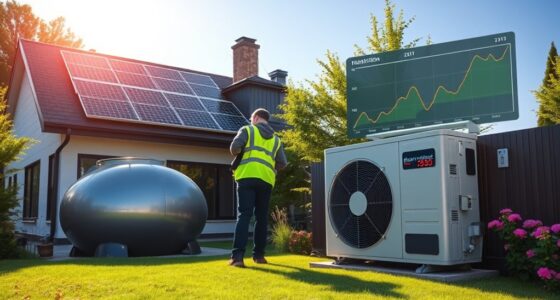

To select the right size heat pump for your home, you need to evaluate factors like your home’s size, insulation, climate, and layout. Proper sizing ensures efficient heating and cooling, reduces energy bills, and prevents system wear. Oversized or undersized units can cause problems and higher costs. Doing a detailed load calculation or consulting professionals helps you find the perfect fit. Keep exploring to discover how accurate sizing can save you money and boost comfort.
Key Takeaways
- Conduct professional load calculations considering your home’s size, insulation, and climate to determine the appropriate heat pump size.
- Avoid oversizing or undersizing to prevent inefficiency, increased energy bills, and system wear.
- Assess space constraints and installation requirements, including ductwork and electrical capacity.
- Consider your home’s unique features, such as high ceilings or multiple stories, which influence size needs.
- Choose a reputable HVAC professional to ensure accurate sizing and optimal system performance.
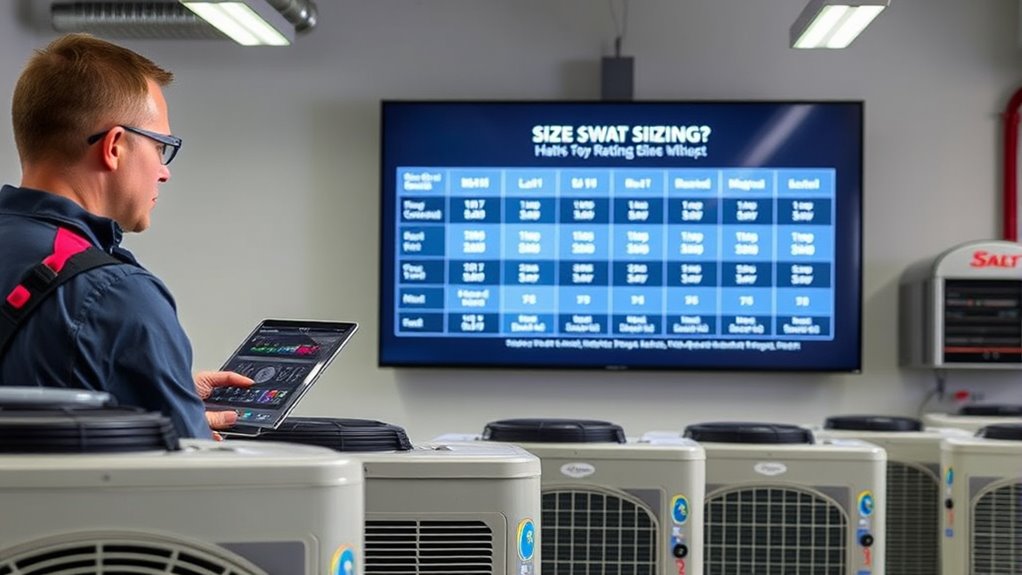
Choosing the right size heat pump is crucial to guarantee your home’s comfort and energy efficiency. A properly sized unit ensures your space heats and cools effectively without wasting energy or causing unnecessary wear on the system. To determine the appropriate size, you need to consider several factors, starting with a thorough cost estimation. Larger units tend to have higher upfront costs, but they may perform more efficiently if they’re too small or too large for your space. Conversely, a smaller unit might save you money initially but struggle to maintain consistent temperatures, leading to increased energy bills and potential system strain. Balancing these costs against the long-term savings and comfort benefits is essential.
Installation considerations also play a significant role in selecting the right size heat pump. For example, your home’s layout, insulation quality, window placement, and local climate all influence the heating and cooling load calculations. An undersized pump won’t be able to adequately heat or cool your entire home, especially during extreme weather, forcing it to run constantly and increasing energy consumption. On the other hand, an oversized unit will cycle on and off frequently, causing uneven temperatures and excessive wear. Proper sizing requires a detailed assessment of your home’s specific characteristics, often involving a professional load calculation. This step ensures the heat pump is neither too small nor too large, optimizing performance and longevity.
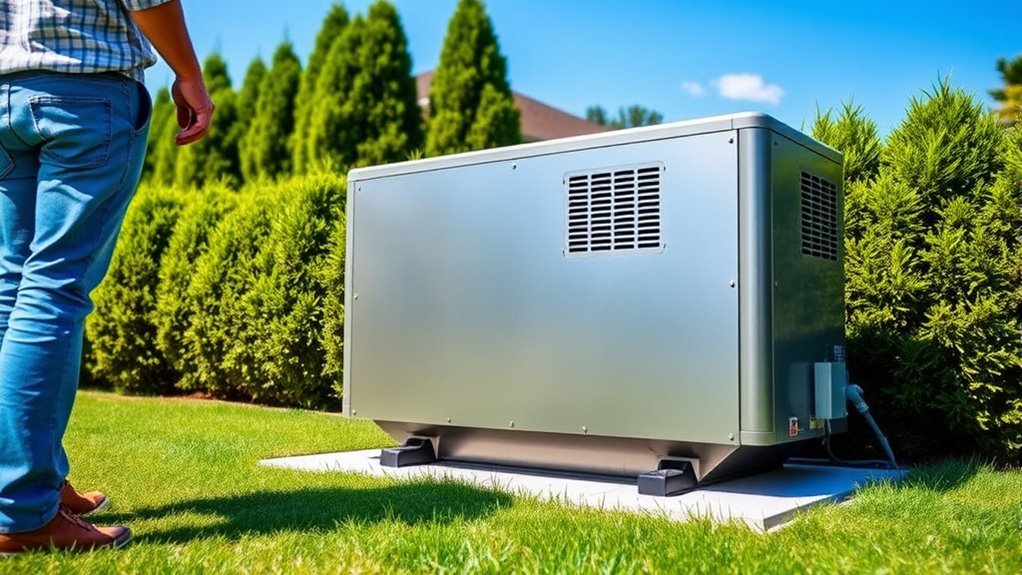
When considering installation, you should also evaluate space constraints and existing ductwork or electrical systems. Some units require more space for proper installation or may need modifications to your current setup. These additional installation considerations can influence your choice, as they might add to the overall cost or complexity of the project. If your home has unique features, such as high ceilings or multiple stories, these factors will impact the necessary size of your heat pump. Consulting with a qualified HVAC technician helps you accurately determine the appropriate size, accounting for all these installation considerations and ensuring your investment yields maximum comfort and efficiency. Additionally, understanding the impact of leaf discoloration and rot and other common plant issues can help you maintain a healthy outdoor environment that supports your HVAC setup, especially if outdoor units are installed nearby.
Ultimately, selecting the right size heat pump involves a careful evaluation of both your home’s specific needs and the installation environment. Doing thorough cost estimation and considering installation considerations upfront helps you avoid costly mistakes and ensures you choose a unit that provides reliable, energy-efficient comfort for years to come. Remember, investing a little extra time and effort now can save you significant money and hassle later, making your home more comfortable and your energy bills more manageable.
heat pump size calculator
As an affiliate, we earn on qualifying purchases.
As an affiliate, we earn on qualifying purchases.
Frequently Asked Questions
How Does Insulation Affect Heat Pump Sizing?
Insulation quality directly impacts your heat pump sizing because better insulation reduces heat loss, meaning you need a smaller unit for your home. Poor insulation causes more heat to escape, requiring a larger, more powerful heat pump to maintain comfort. By improving insulation, you enhance energy efficiency, which allows you to select a appropriately sized heat pump, saving you money on energy costs and ensuring consistent indoor temperatures.
Can a Heat Pump Be Oversized for a Home?
Over-sizing a heat pump can decrease efficiency by up to 30%, costing you more in energy bills and reducing comfort. Yes, it can be oversized, but doing so leads to short cycling and increased installation costs. An appropriately sized unit maximizes heat pump efficiency, keeps your home comfortable, and minimizes wear and tear. Always consult a professional to ensure your system fits your home’s specific needs for ideal performance.
What Is the Impact of Climate on Size Selection?
Climate impacts your heat pump size because climate zones and seasonal variations determine heating and cooling demands. In colder zones, you need a larger unit to handle harsher winters, while milder climates require smaller systems. Seasonal fluctuations influence your choice; if you experience extreme temperature swings, opt for a size that can adapt. Proper sizing guarantees efficiency, comfort, and energy savings, regardless of your local climate conditions.
How Often Should I Service My Heat Pump?
Think of your heat pump as a trusted vehicle that needs regular tune-ups. You should service it at least once a year, ideally in the spring or fall. This maintenance schedule keeps your system running efficiently, preventing breakdowns and optimizing performance. Regular check-ups guarantee your heat pump stays in top shape, saving you money and energy while maintaining comfort year-round.
Are There Size Considerations for Ductless Systems?
Yes, size considerations are important for ductless systems. You want a unit that’s appropriately matched to your space to maximize ductless efficiency and guarantee even comfort. Oversized units may cycle on and off too frequently, wasting energy, while undersized ones struggle to heat or cool effectively. Proper sizing also enhances zoning flexibility, allowing you to control different areas independently, saving energy, and increasing comfort throughout your home.

VARMINPOOL Pool Heat Pump 16000 BTU, 110V Electric Pool Heater for Above Ground Pools up to 5400 Gallons, Energy Efficient Heat Pump Pool Heater with WiFi Control, Titanium Heat Exchanger- V5
【16000 BTU Pool Heat Pump for Above Ground Pools up to 5,400 Gallons】Designed for 10–14 ft above ground…
As an affiliate, we earn on qualifying purchases.
As an affiliate, we earn on qualifying purchases.
Conclusion
Choosing the right size heat pump ensures comfort and efficiency all year round. Did you know that an improperly sized unit can increase energy bills by up to 30%? By accurately evaluating your home’s heating and cooling needs, you save money and extend your equipment’s lifespan. Don’t rush the process—consult with a professional to find the perfect fit. Making an informed choice now means you’ll enjoy reliable warmth and coolness for years to come.
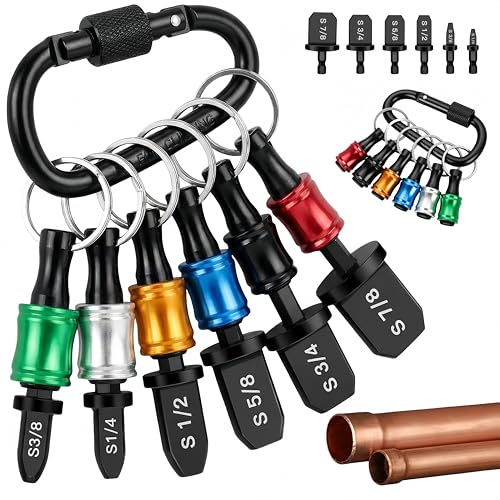
13PCS Swage Tool HVAC Repairing Set with Bit Holders, Hvac Gifts, Air Conditioner Copper Tube Expander Swaging Tool Drill Bit Copper Pipe Swage 1/4'', 3/8'',1/2'',5/8'',3/4'',7/8''
PIPE SIZES SWAGE TOOL HVAC – 6 different sizes of drill bits, including 1/4", 3/8", 1/2", 5/8", 3/4",…
As an affiliate, we earn on qualifying purchases.
As an affiliate, we earn on qualifying purchases.

RecPro RV Air Conditioner 15K Ducted or Non-Ducted | Quiet AC | 110-120V | Heat Pump and Cooling | Easy Install | All-in-One Unit | For Camper, Fifth Wheel, Food Trucks (Ducted, White)
Low Amp Draw for Energy Efficiency – Run multiple RV appliances without overload, perfect for off-grid, solar, or…
As an affiliate, we earn on qualifying purchases.
As an affiliate, we earn on qualifying purchases.