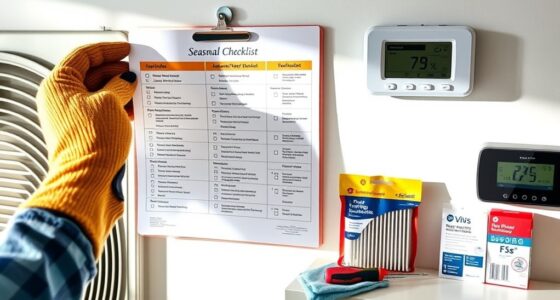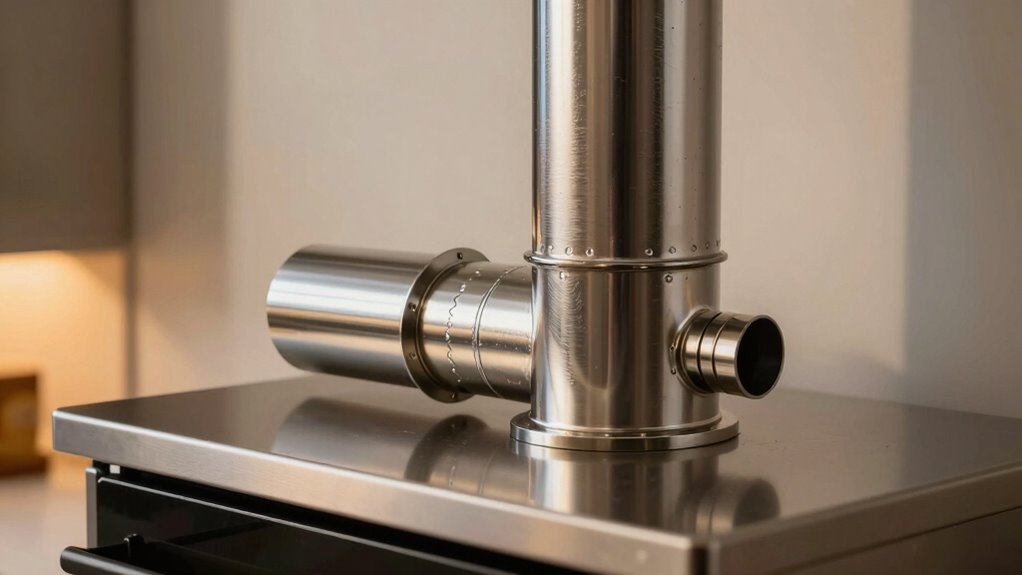
Before comparing stoves, you need to understand the chimney and venting rules to ensure safety and efficiency. You must follow local codes and manufacturer instructions, making certain vents direct smoke and gases outside properly. Improper installation or ignoring these standards can cause dangerous buildup, leaks, or fires. Regular maintenance and professional guidance are vital. Staying compliant helps protect your home and loved ones, and there’s more to learn about making the right choices for your stove.

Get backup power and energy gear delivered free — and shop member deals
- Fast, free delivery on millions of items
- Access to Prime Big Deal Days deals on October 6–7
- Prime Video, Amazon Music and more included
Key Takeaways
- Always verify that the stove’s venting system complies with local building codes and national safety standards.
- Ensure proper venting type (e.g., direct vent, chimney pipe) matches the stove manufacturer’s instructions.
- Confirm that the venting material and installation method prevent leaks, blockages, and toxic gas buildup.
- Check that the venting system is correctly sized and installed to avoid smoke and gas hazards.
- Consult a professional to ensure safe, compliant venting before comparing stove options.
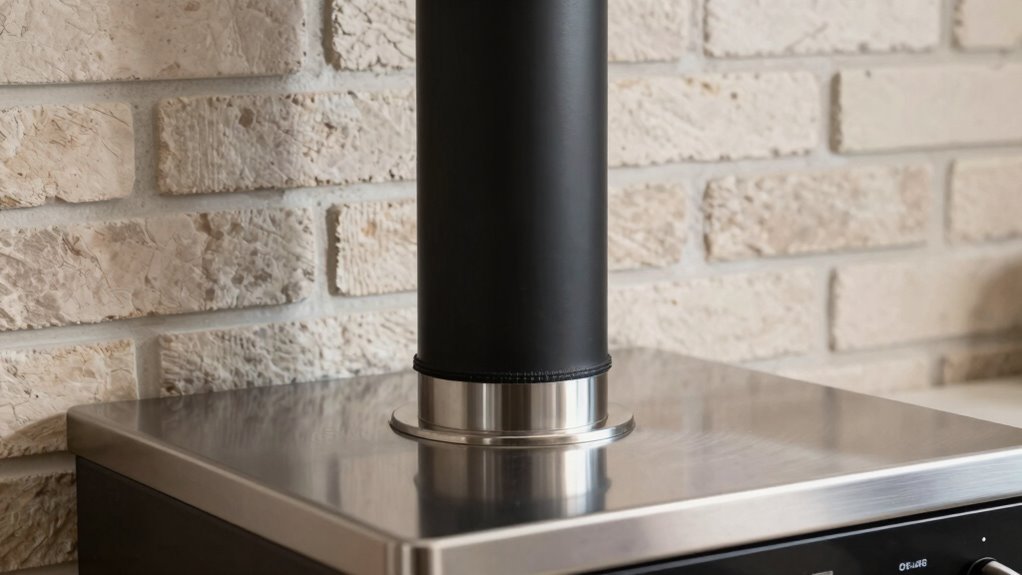
Have you ever wondered why proper chimney and venting installation are so essential? The truth is, these systems play a crucial role in your home’s safety and efficiency. When you’re comparing stoves, understanding the importance of chimney safety and venting regulations can save you from costly mistakes and potential hazards. A well-installed chimney ensures that smoke, gases, and other byproducts of combustion don’t seep into your living space, reducing the risk of carbon monoxide poisoning and fire hazards. It’s not just about having a chimney; it’s about guaranteeing that it’s properly designed, installed, and maintained to meet safety standards. Additionally, understanding the safety tips for chimney and venting systems can help prevent common installation errors that compromise your home’s safety.
Venting regulations are the backbone of safe stove operation. These rules are set by local codes and national standards to make sure your stove’s exhaust is directed out of your home safely and efficiently. Ignoring these regulations can lead to improper venting, which may cause dangerous buildup of smoke or toxic gases inside your house. Different stoves require specific venting setups, whether it’s a direct vent, a chimney pipe, or a specialized vent system. Failing to adhere to these requirements can compromise chimney safety, increasing the risk of dangerous blockages, leaks, or even chimney fires. When you’re selecting a stove, always check that the venting system complies with local venting regulations to guarantee safe operation.
When comparing stoves, pay close attention to the manufacturer’s instructions and local building codes. Proper chimney and venting installation isn’t just a recommendation; it’s an absolute necessity for safety and performance. A stove that isn’t vented correctly can emit smoke into your home or cause dangerous gases to accumulate. This is why proper installation, following all safety standards, is non-negotiable. It’s also wise to consult with professionals who understand chimney safety and venting regulations to certify everything is installed correctly the first time.
Proper venting and installation are essential for safe, efficient stove operation and must follow safety standards.
Ultimately, understanding these rules helps you make smarter choices. It’s tempting to go for a cheaper or easier option, but cutting corners around chimney safety and venting regulations can have serious consequences. Protect your home, your family, and your investment by ensuring every part of your chimney and venting system is up to code and installed properly. Before comparing stoves, take the time to learn these essential standards—they’re the foundation of safe, efficient, and worry-free heating.
As an affiliate, we earn on qualifying purchases.
Frequently Asked Questions
How Do I Determine the Correct Venting System for My Stove?
You determine the correct venting system by considering your stove’s installation location and the appropriate venting materials. First, identify whether your stove is vented through a wall or roof, then choose venting materials suitable for your specific stove type, such as metal pipes or chimneys. Make certain your venting system meets safety codes and manufacturer guidelines. Properly installed, it will guarantee safe operation and efficient venting.
What Safety Precautions Are Necessary During Chimney Installation?
A stitch in time saves nine, so prioritize safety during chimney installation. You should wear protective gear, guarantee proper ventilation, and follow all venting regulations carefully. Check for chimney safety issues like leaks or blockages, and make sure the chimney is securely anchored. Always consult local codes and manufacturer instructions, and consider hiring a professional. These precautions prevent hazards, assuring your home stays safe and efficient.
Can Venting Rules Vary by Stove Brand or Model?
Venting rules can vary by stove brand or model because of differences in design and brand compatibility. You need to check each stove’s specific venting standards to guarantee proper installation and safety. Always follow the manufacturer’s guidelines, as venting requirements may differ, affecting performance and safety. Comparing venting options across brands helps you choose a stove that aligns with your home’s venting setup and meets all safety standards.
How Often Should Chimney and Venting Systems Be Inspected?
You should inspect your chimney and venting systems at least once a year, especially if you use your stove frequently. Regular chimney maintenance guarantees safe operation, prevents blockages, and reduces fire risks. Check venting materials for signs of wear, corrosion, or damage, and clean out any soot or creosote buildup. By staying proactive, you keep your system efficient and safe, extending the lifespan of your stove and protecting your home.
Are There Any Local Building Codes Affecting Venting Requirements?
Yes, local building codes often influence venting requirements. You need to check your area’s regulations to guarantee code compliance, which can specify venting materials, clearances, and installation procedures. These codes vary by location and are designed to ensure safety and efficiency. Ignoring them can lead to fines or safety hazards. Always consult your local building department or a professional installer to verify that your venting system meets all relevant codes.
As an affiliate, we earn on qualifying purchases.
Conclusion
Remember, following the chimney and venting rules isn’t just about safety—it can boost your stove’s efficiency too. Did you know that improper venting can reduce a stove’s efficiency by up to 30%? So, before you compare stoves, make certain you understand these rules. Proper venting ensures your stove runs smoothly, keeps your home safe, and saves you money in the long run. Don’t overlook these details; your comfort and safety depend on it.
As an affiliate, we earn on qualifying purchases.
As an affiliate, we earn on qualifying purchases.
Evergreen bestsellers Picks
bestsellers
As an affiliate, we earn on qualifying purchases.