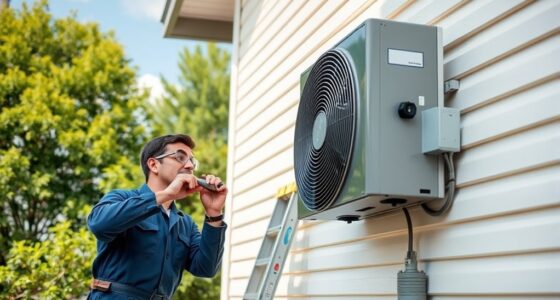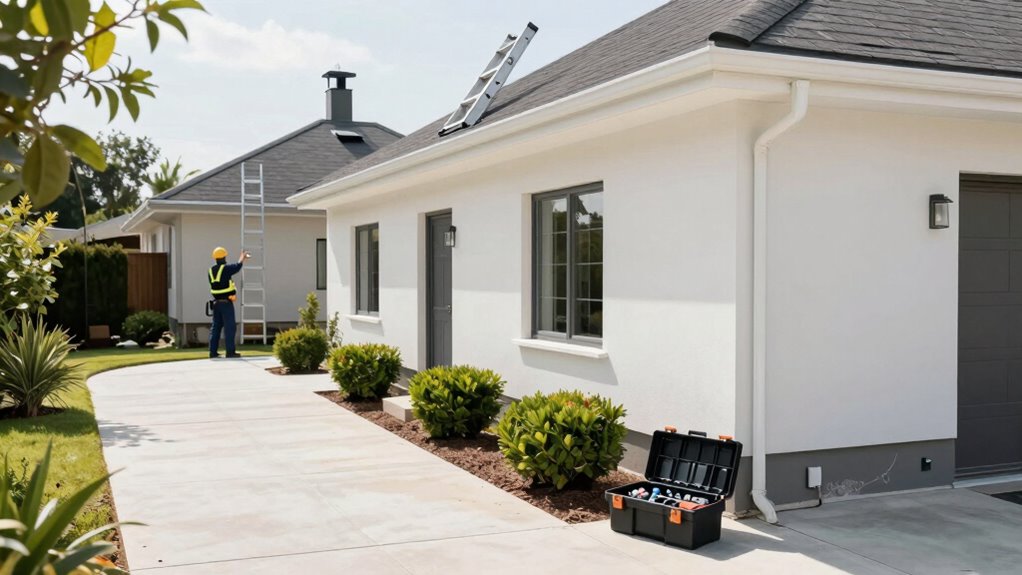

Annual maintenance covers key inspections and basic repairs to keep your equipment running smoothly and prevent big failures. It focuses mainly on visible parts like filters, accessible components, and quick fixes. However, it often misses hidden issues like internal corrosion, ductwork, wiring, or less obvious system problems that develop over time. To truly guarantee system health, you need to understand what’s often overlooked—keep exploring to learn the full picture.

Get backup power and energy gear delivered free with Prime
- Fast, free delivery on millions of items
- Prime Video, Amazon Music and more included
- Member-only deals all year
Key Takeaways
- Covers routine inspections and preventive repairs of accessible, main components to ensure system efficiency.
- Often misses hidden or internal issues like corrosion, leaks, or wiring problems not visible during basic checks.
- Focuses on visible parts such as filters, with limited attention to ductwork, internal systems, or auxiliary equipment.
- Does not typically include in-depth diagnostics or predictive analytics to identify developing or insidious problems.
- Provides a good baseline but should be complemented with ongoing monitoring and more comprehensive system assessments.
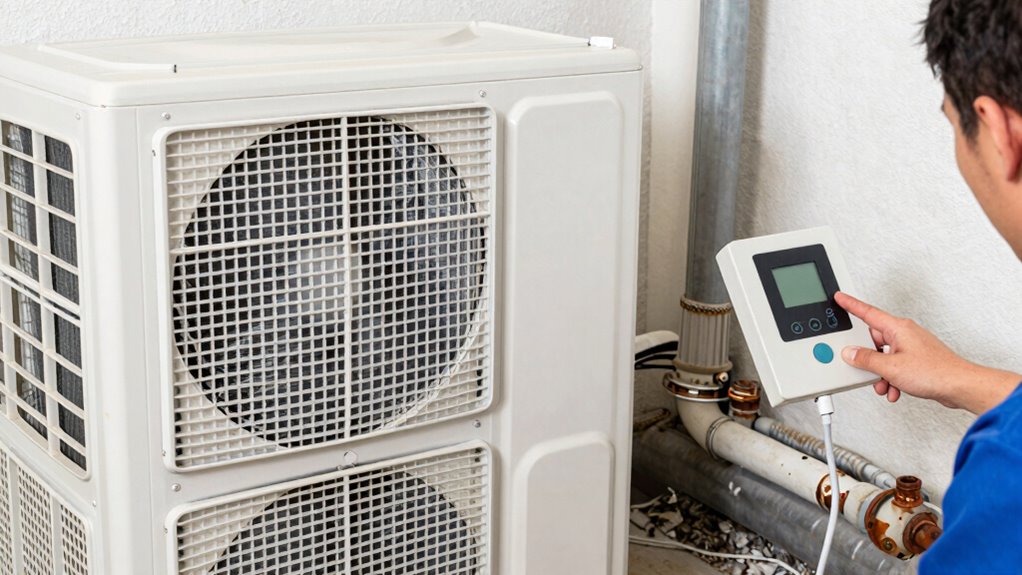
Have you ever wondered what exactly an annual maintenance service includes? When you schedule one, the goal is to keep your equipment running smoothly and avoid unexpected breakdowns. Typically, a professional technician will perform routine inspections, checking key components for signs of wear and tear. These inspections help identify issues early on, so they don’t escalate into costly repairs down the line. Preventative repairs are also a significant part of the service; if something looks slightly off, the technician might replace or fix parts before they cause bigger problems. This approach saves you money and downtime and keeps your system operating efficiently.
Annual maintenance helps prevent costly breakdowns through routine inspections and timely repairs, keeping your equipment running smoothly.
However, even with regular maintenance, some issues tend to slip through the cracks. For example, annual checks often focus on visible or easily accessible parts, leaving hidden or less obvious areas unexamined. In many cases, the technician might not have the time or scope to perform an in-depth investigation into every component. Certain internal parts or system-specific elements might only be inspected if they show obvious signs of trouble or if you specifically request it. As a result, some problems that develop gradually over time, such as minor corrosion, internal leaks, or subtle electrical issues, may go unnoticed during these routine visits. Additionally, system diagnostics can sometimes help uncover hidden problems that visual inspections might miss, but such testing isn’t always included in standard maintenance. Incorporating advanced diagnostic tools can significantly improve the detection of these less obvious issues. Regular preventive maintenance can also help extend the lifespan of components, reducing the likelihood of unexpected failures.
Another common gap is that annual maintenance tends to address immediate concerns rather than predicting future problems. Preventative repairs are based on current findings, not necessarily on predictive analytics or advanced diagnostics. This means that while the technician might replace a worn belt or tighten loose connections, they might not catch more insidious issues brewing deep within your system that could cause trouble months later. Additionally, some components naturally degrade over time regardless of inspection, so their failure may only be inevitable rather than preventable within the scope of a yearly service.
It’s also worth noting that maintenance visits generally focus on the main system or equipment, neglecting peripheral parts or auxiliary systems. For example, filters might be cleaned or replaced, but the ductwork or wiring behind the scenes may not receive the same level of scrutiny unless you specifically ask for it. This can lead to overlooked problems that develop gradually and become more disruptive later on. Furthermore, routine maintenance often emphasizes quick fixes over long-term system optimization, which could overlook potential efficiency improvements.
In essence, while annual maintenance covers many essential aspects—like routine inspections and preventative repairs—it doesn’t guarantee that every issue is caught or prevented. It’s a key step in keeping your systems healthy, but it shouldn’t be your only line of defense. Regular, proactive checkups and paying attention to warning signs between visits can help guarantee your equipment remains reliable year-round.
HVAC system annual maintenance kit
As an affiliate, we earn on qualifying purchases.
As an affiliate, we earn on qualifying purchases.
Frequently Asked Questions
How Often Should Annual Maintenance Be Scheduled for Optimal Results?
You should schedule annual maintenance at least once a year for essential results. Incorporate seasonal scheduling to align with changing weather conditions, ensuring your system operates efficiently year-round. Maintenance frequency depends on factors like system age and usage, but generally, once a year is recommended. Regular check-ups help catch issues early, extend equipment lifespan, and improve performance, making annual maintenance a vital part of your upkeep routine.
Are There Specific Maintenance Tasks Unique to Different Types of Properties?
You’ll find that property types and maintenance differences shape your annual upkeep. For example, a commercial building needs HVAC system checks, while a residential home focuses more on roof inspections. Coincidentally, each property’s unique features demand tailored tasks, so you shouldn’t assume one-size-fits-all maintenance. Recognizing these differences guarantees you cover all essentials, avoiding missed issues that could lead to costly repairs down the line.
What Are the Signs That Annual Maintenance Needs to Be Intensified?
You should consider intensifying your annual maintenance when you notice seasonal adjustments are no longer effective, such as inconsistent heating or cooling. If equipment inspections reveal wear and tear or declining performance, it’s a sign you need to guarantee your efforts. Regularly monitor for unusual noises, leaks, or inefficiencies, and address them promptly to prevent costly repairs. Increased frequency of maintenance ensures your property stays in top shape year-round.
Does Annual Maintenance Include Emergency Repairs or Just Preventive Care?
Did you know that 60% of homeowners face unexpected issues that require emergency repairs? Annual maintenance generally focuses on preventive care, helping avoid major problems, but it usually doesn’t cover emergency repairs. These sudden issues, like burst pipes or electrical shorts, often happen outside scheduled visits. So, while maintenance reduces risks, you should be prepared for unexpected repairs that can strike anytime, requiring immediate attention.
How Do Maintenance Costs Typically Vary Between Residential and Commercial Properties?
Maintenance costs for residential properties are usually lower than commercial ones because of size and complexity. You’ll spend less on landscaping upgrades and security system checks in a home. Commercial properties often require more extensive landscaping, regular system inspections, and sometimes specialized repairs, which drive up costs. You should budget for higher expenses in commercial maintenance, especially if you’re managing large-scale upgrades or frequent security checks to keep everything running smoothly.
As an affiliate, we earn on qualifying purchases.
Conclusion
Annual maintenance keeps your systems running smoothly, your home safe, and your worries at bay. It covers what’s visible and crucial, addressing the essentials that prevent bigger issues. But it often misses the hidden, the overlooked, the parts that quietly deteriorate over time. So, stay vigilant, stay proactive—inspect, update, and adapt. Because maintenance isn’t just about what’s covered; it’s about what’s carefully, continuously, and thoughtfully missed.
electrical system diagnostic tester
As an affiliate, we earn on qualifying purchases.
As an affiliate, we earn on qualifying purchases.
As an affiliate, we earn on qualifying purchases.
Halloween Picks
halloween
As an affiliate, we earn on qualifying purchases.