
Future refrigerant technologies for heat pumps focus on reducing environmental impact while improving efficiency. You’ll see more natural refrigerants like propane and CO₂, which have low GWP and minimal ozone depletion potential. Innovations such as HFOs offer similar performance to traditional HFCs but with less climate harm. Advances in recycling and recovery also help extend refrigerant lifecycles. Keep exploring these developments to understand how they’re shaping a greener, more sustainable heat pump industry.
Key Takeaways
- Development of low-GWP refrigerants like HFOs and natural options such as propane and CO₂ to reduce environmental impact.
- Innovation in refrigerant recovery and recycling technologies to extend lifecycle and minimize waste.
- Adoption of natural refrigerants with high energy efficiency and minimal ozone depletion potential.
- Advances in alternative refrigerant blends that balance performance and sustainability.
- Regulatory pressures driving the transition toward environmentally friendly refrigerant solutions for heat pumps.

Have you ever wondered how heat pumps efficiently transfer heat from one place to another? At the core of this process lies the refrigerant, a essential substance that absorbs and releases heat as it cycles through the system. As technology advances, so do the refrigerants used in heat pumps, leading to promising future options that aim to optimize performance while reducing environmental impact. Understanding the refrigerant lifecycle becomes critical here, as it encompasses every stage—from production and use to disposal. Future refrigerant technologies focus on extending this lifecycle’s sustainability, minimizing ozone depletion, and lowering global warming potential (GWP).
Currently, many refrigerants, like hydrofluorocarbons (HFCs), offer excellent thermodynamic properties but pose significant environmental risks due to their high GWP. As awareness grows about climate change, industry leaders seek alternatives that maintain efficiency without contributing heavily to global warming. New refrigerant formulations are being designed with a focus on low GWP and zero ozone depletion potential. These options aim to reduce the environmental impact throughout their lifecycle, from manufacturing to end-of-life disposal. This shift is not just about regulatory compliance but also about responsible stewardship, ensuring that future heat pump systems are cleaner and greener.
Innovations such as hydrofluoroolefins (HFOs) are gaining traction because they deliver similar performance to traditional refrigerants but with a fraction of the warming potential. These refrigerants break down more quickly in the atmosphere, reducing their long-term environmental footprint. Additionally, researchers are exploring natural refrigerants like propane, isobutane, and carbon dioxide, which are abundant, have low GWP, and possess a minimal environmental impact. These alternatives promise a more sustainable refrigerant lifecycle by being less harmful during production, use, and disposal. They also tend to have higher energy efficiency, which further reduces the overall environmental footprint of heat pump systems. Moreover, advances in refrigerant recovery and recycling technologies are helping to extend the lifecycle and reduce waste associated with refrigerants.
As you consider the future of refrigerant technologies, it’s clear that the industry is shifting toward substances that balance performance with environmental responsibility. The development of refrigerants with lower GWP and safer lifecycle profiles aligns with global efforts to combat climate change. By adopting these innovative options, heat pump systems will become more sustainable, helping to curb greenhouse gas emissions while delivering reliable heating and cooling. Ultimately, the future of refrigerants in heat pumps holds the promise of a cleaner, more efficient energy landscape—one where protecting the environment is integrated into every step of the refrigerant lifecycle.

FAHKNS Refrigerant Recovery Tank 30 LB with 1/4 SAE Y-Valve Liquid/Vapor Reclaim Tank AC Freon Recovery Tank Refrigerant Recovery Cylinder Tank Reusable Cylinder Tank Without Float Switch Gray Yellow
Dual Valve Design: This is a Y-valve design. The red gas valve is connected to the liquid outlet,…
As an affiliate, we earn on qualifying purchases.
As an affiliate, we earn on qualifying purchases.
Frequently Asked Questions
How Will New Refrigerants Impact Global Warming Potential?
You’ll find that new refrigerants markedly reduce global warming potential, positively impacting environmental impact. As you evaluate refrigerants, consider their lifecycle assessment, which accounts for emissions during production, use, and disposal. These innovations aim to lower greenhouse gas emissions throughout the entire lifecycle, helping you adopt more sustainable heat pump solutions. By choosing these advanced refrigerants, you’re contributing to a greener future with reduced climate change effects.
Are There Any Safety Concerns With Upcoming Refrigerant Chemicals?
Hold on, this feels like steering a digital jungle! You should know that upcoming refrigerants are designed with safety in mind, but some concerns remain. You might worry about refrigerant toxicity, which could pose health risks if leaks occur, and chemical stability, ensuring they don’t break down into harmful substances. Manufacturers rigorously test these chemicals to minimize hazards, but always handle them with care and follow safety guidelines to stay protected.
What Are the Cost Implications of Adopting New Refrigerant Technologies?
Adopting new refrigerant technologies can impact your costs due to economic feasibility concerns and supply chain challenges. You might face higher upfront expenses for equipment upgrades and training, but long-term savings from improved efficiency could offset these costs. Keep in mind, supply chain disruptions could delay access to new refrigerants, increasing expenses. Carefully evaluate these factors to determine if switching aligns with your budget and operational goals.
How Do Future Refrigerants Perform in Extreme Climate Conditions?
You’ll find future refrigerants excel in extreme climate conditions by offering enhanced refrigerant stability and improved system compatibility. They’re designed to perform reliably in high temperatures, cold spells, and fluctuating environments. These refrigerants adapt seamlessly, maintaining efficiency and safety. With robust stability and versatile compatibility, they ensure your heat pump operates effectively, regardless of weather extremes, providing peace of mind and consistent comfort year-round.
Will Regulations Accelerate the Transition to Innovative Refrigerant Systems?
Regulatory influence will definitely accelerate the shift to innovative refrigerant systems, as stricter laws push manufacturers to adapt quickly. You’ll see market adaptation speeding up, with companies investing more in eco-friendly options to meet new standards. This regulatory pressure encourages innovation, making it easier for you to access heat pumps with advanced refrigerants that are more efficient and environmentally friendly, ultimately benefiting consumers and the planet alike.

Transcritical CO2 Heat Pump: Fundamentals and Applications
As an affiliate, we earn on qualifying purchases.
As an affiliate, we earn on qualifying purchases.
Conclusion
As you explore future refrigerant technologies, it’s exciting to see potential for more eco-friendly options. Did you know that shifting to low-GWP refrigerants could cut heat pump greenhouse gas emissions by up to 90%? By staying informed and supporting innovative solutions, you help drive sustainable heating and cooling. Embracing these advancements not only benefits the environment but also guarantees greater efficiency and savings for you in the long run.
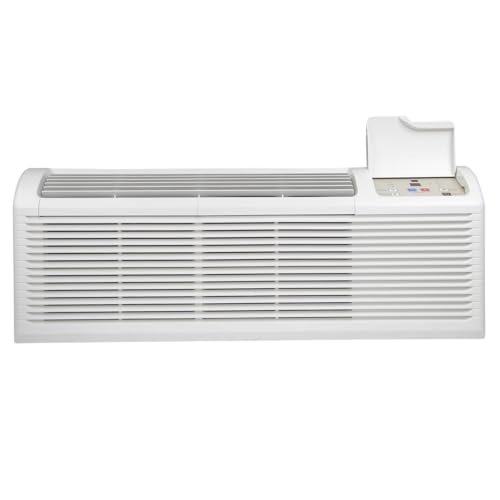
15,000 BTU Distinctions by Amana PTAC R32 Heat Pump Air Conditioner with 3.5kW Electric Heater, 20 A | 265-277V
Powerful Heating & Cooling – 14,700 BTU cooling, 10,900 BTU heat pump, plus 3.5 kW electric. Includes 20-amp…
As an affiliate, we earn on qualifying purchases.
As an affiliate, we earn on qualifying purchases.

Refrigerant Leak Detector for Heat Pumps, SIMBOW ALD-200 PRO ASHP Freon Leak Detector 16 Inch Sensor Probes 0.14oz./Yr. Max Sensitivity 3000mah Rechargeable Battery Detect R410A, R407C, R32, R1234ze.
【Optimized for Heat Pump Applications】 The ALD-200 ASHP refrigerant detector is specifically engineered to identify refrigerants commonly utilized…
As an affiliate, we earn on qualifying purchases.
As an affiliate, we earn on qualifying purchases.