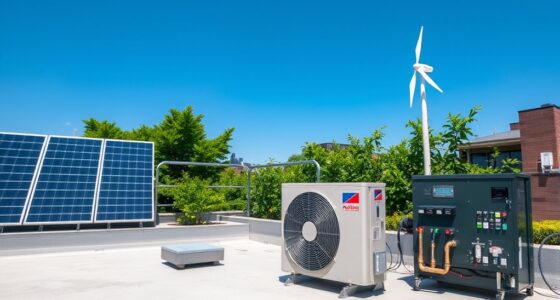

Seasonal storage is harder than it sounds because maintaining energy over long periods faces natural losses like thermal and chemical descent, making it tough to keep energy viable months apart. You need advanced materials and large-scale systems, which are costly and complex to integrate into existing infrastructure. The unpredictable nature of renewable sources and seasonal fluctuations add more challenges. If you want to understand how these factors push the limits of current technology, keep exploring further.

Get backup power and energy gear delivered free — and shop member deals
- Fast, free delivery on millions of items
- Access to Prime Big Deal Days deals on October 6–7
- Prime Video, Amazon Music and more included
Key Takeaways
- Long-term storage energy losses increase over time, making it difficult to retain efficiency across seasons.
- Seasonal fluctuations in renewable energy supply require large, adaptable storage solutions that are hard to scale.
- Developing durable, cost-effective materials for prolonged storage involves significant technological challenges.
- Infrastructure upgrades for seasonal storage are costly and complex, hindering widespread implementation.
- Variability and unpredictability of renewable sources complicate precise forecasting and reliable seasonal energy management.
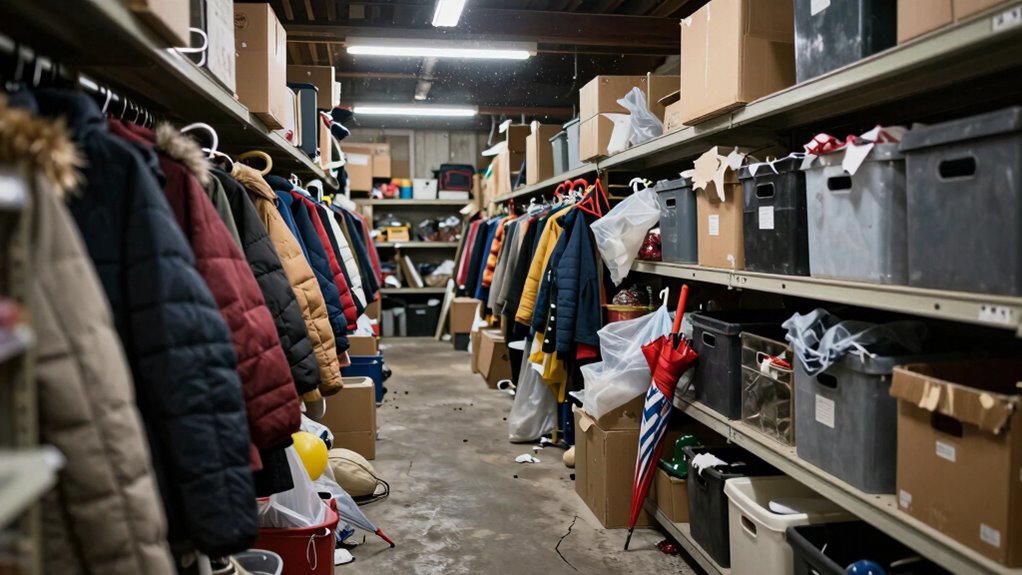
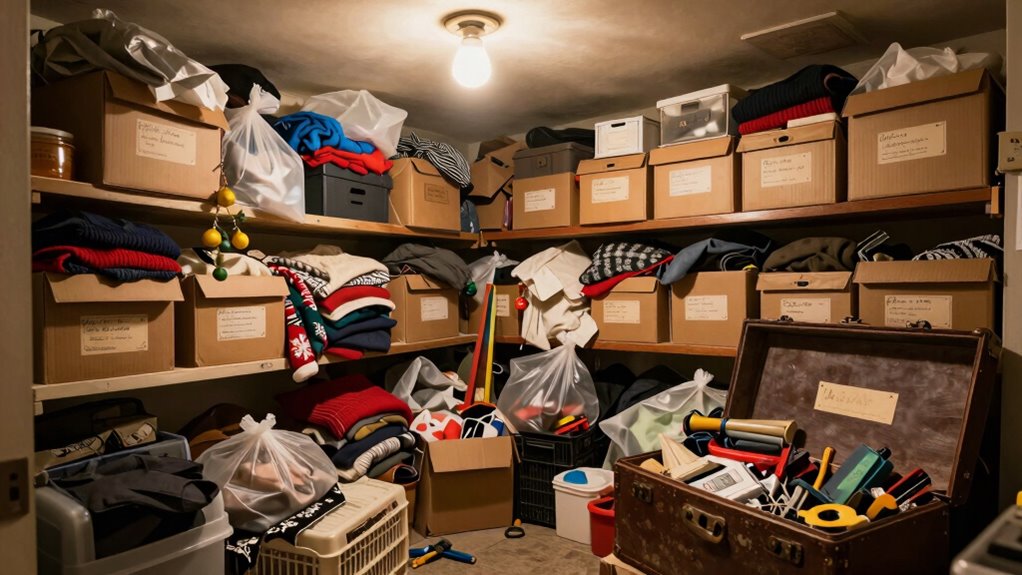
Have you ever wondered why managing seasonal storage remains a significant challenge for industries and consumers alike? The answer lies in the complex balance between storing energy efficiently and ensuring that it remains accessible when needed. Seasonal storage involves capturing excess energy during periods of high production—like summer for solar power or harvest seasons for certain crops—and then releasing it during times of low generation or high demand. Achieving this seamlessly requires sophisticated techniques that prioritize energy efficiency, which isn’t easy given the natural variability and the long-term aspect of storage.
One of the biggest hurdles is maintaining energy efficiency over extended periods. Unlike short-term storage, where energy can be quickly accessed and replenished, seasonal storage demands that energy remains viable after months of inactivity. This challenge is compounded by energy losses that naturally occur during storage—thermal, electrical, or chemical losses—that can diminish the stored energy’s value. Industries and researchers are constantly seeking technological innovations to combat these inefficiencies, but progress is slow and costly. Developing materials and systems that minimize losses while maximizing capacity demands significant investment and cutting-edge science. Additionally, long-duration storage technologies are essential for overcoming these hurdles and enabling a reliable seasonal energy supply. Innovations in energy storage technology continue to push the boundaries of what’s possible, yet scaling these solutions remains a significant obstacle. Furthermore, addressing costly infrastructure upgrades is crucial to support the integration of new storage methods into existing energy systems. Incorporating advanced materials can also help reduce losses and improve overall efficiency, though such developments often require considerable research and development.
Technological innovation plays an essential role in overcoming these hurdles. Advances in battery technology, thermal storage systems, and chemical storage methods have opened new avenues for more efficient seasonal storage. For example, progress in high-capacity, long-duration batteries can extend the feasibility of storing energy over longer periods. Similarly, innovative thermal storage solutions, such as molten salt or phase change materials, promise to retain heat with minimal losses. However, integrating these new technologies into existing infrastructure remains complex, requiring significant capital and regulatory support. Furthermore, scaling these innovations to meet the demands of entire industries or regions presents additional logistical challenges.
Despite these efforts, the inherent unpredictability of renewable energy sources and the long timescales involved in seasonal storage make it difficult to develop foolproof solutions. The goal is to create systems that are not only energy-efficient but also economically viable and resilient to changing conditions. This ongoing quest for improvement underscores why seasonal storage remains more difficult than it often appears in theory. It’s a delicate dance of balancing technological advancements with practical limitations, all while striving for systems that can reliably store and release energy across seasons. That’s what makes mastering seasonal storage such a demanding, yet essential, pursuit for a sustainable energy future.
long duration thermal energy storage system
As an affiliate, we earn on qualifying purchases.
As an affiliate, we earn on qualifying purchases.
Frequently Asked Questions
How Does Climate Variability Affect Seasonal Storage Effectiveness?
Climate unpredictability makes seasonal storage less reliable because unexpected weather changes can disrupt stored energy or resources. You might plan for a dry season, but sudden rainfall or temperature swings can reduce storage efficiency. This variability challenges your ability to depend on seasonal storage for consistent supply. As a result, maintaining storage reliability becomes difficult, requiring more flexible systems and backup options to accommodate climate fluctuations.
What Are the Most Common Materials Used for Seasonal Storage?
You’ll find that common materials for seasonal storage include water, soil, phase change materials, and concrete. Water’s high material durability and storage efficiency make it ideal for storing thermal energy. Soil offers natural insulation and durability, while phase change materials efficiently store and release heat during temperature shifts. Concrete is durable and effective for thermal mass. Choosing the right material depends on balancing durability and storage efficiency to maximize seasonal energy storage.
How Do Economic Factors Influence Storage Project Feasibility?
Imagine your storage project as a ship steering turbulent seas. Economic factors like market volatility and policy incentives act as unpredictable currents, influencing your vessel’s course. When markets fluctuate or policies shift, project feasibility can wobble, making investments riskier. You need to stay alert and adaptable, leveraging favorable incentives and timing decisions carefully. These economic tides directly shape whether your seasonal storage venture sets sail smoothly or stalls mid-ocean.
Can Seasonal Storage Be Integrated With Renewable Energy Sources?
Yes, seasonal storage can be integrated with renewable energy sources. You can use seasonal thermal storage to capture excess heat or cold over seasons, and chemical batteries to store electricity for longer periods. These methods help balance supply and demand, especially when renewable generation fluctuates. By combining these technologies, you guarantee a more reliable, sustainable energy system, making it easier to rely on renewables year-round.
What Innovations Are Currently Emerging in Seasonal Storage Technology?
You’re witnessing a revolution in seasonal storage technology that’s almost too good to be true. Innovations like thermal batteries and phase change materials are making it possible to store massive amounts of energy efficiently across seasons. Thermal batteries leverage high-capacity heat storage, while phase change materials absorb and release energy during melting and solidifying. These advancements promise to transform renewable energy integration, making seasonal storage more practical and reliable than ever before.
molten salt thermal storage tank
As an affiliate, we earn on qualifying purchases.
As an affiliate, we earn on qualifying purchases.
Conclusion
Just like Icarus flying too close to the sun, aiming for seamless seasonal storage can seem within reach but proves far more complex than it looks. You might imagine easy solutions, yet the challenges of balancing efficiency, cost, and sustainability are formidable. Remember, even Daedalus’s invention had its limits. So, as you endeavor for better storage, stay grounded and realize that achieving true seasonal energy resilience requires more than just ambition—it demands innovation and patience.
high capacity chemical energy storage batteries
As an affiliate, we earn on qualifying purchases.
As an affiliate, we earn on qualifying purchases.
phase change materials for thermal storage
As an affiliate, we earn on qualifying purchases.
As an affiliate, we earn on qualifying purchases.
Halloween Picks
halloween
As an affiliate, we earn on qualifying purchases.