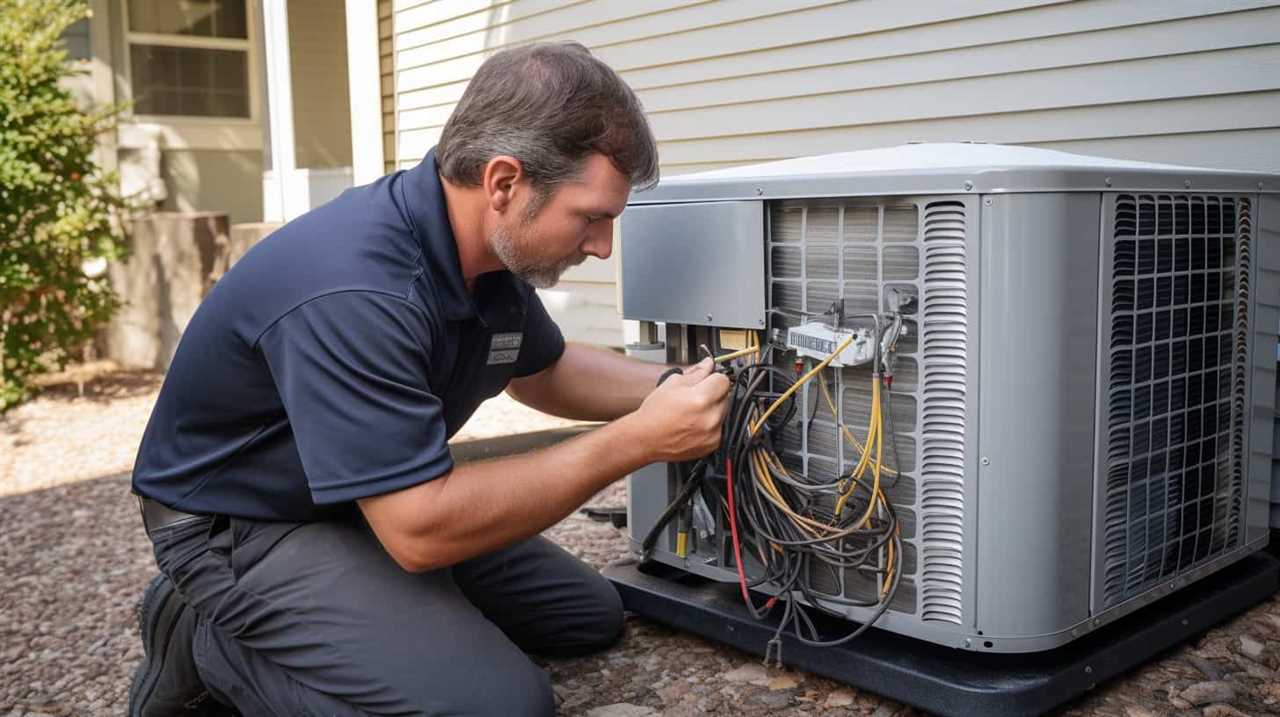
When you face high humidity in warehouses, you need to choose equipment made from corrosion-resistant materials like stainless steel or coated metals to prevent rust and mold. Moisture control features such as dehumidifiers, moisture barriers, and proper ventilation become essential. Regular maintenance and sensors help you keep humidity levels in check, protecting your inventory and equipment. Staying proactive in your choices guarantees everything runs smoothly—keep exploring to discover how to optimize your moisture management strategies.
Key Takeaways
- Moisture-resistant materials like stainless steel or coated metals are prioritized for shelving and storage equipment.
- Climate control systems, such as dehumidifiers, are essential to maintain optimal humidity levels.
- Equipment with corrosion-resistant coatings or made from plastic helps prevent mold and rust issues.
- Monitoring tools and sensors are used to track humidity and alert for maintenance needs.
- Regular maintenance and proactive replacement strategies reduce equipment failure caused by moisture damage.

Moisture problems in warehouses can cause significant damage to stored goods and compromise overall safety. When humidity levels fluctuate or remain high, it’s clear that your equipment choices need to adapt to these conditions. Proper humidity control becomes a top priority because unmanaged moisture can accelerate material degradation, leading to costly replacements and safety hazards. As you evaluate equipment options, it’s vital to consider how well they can handle a humid environment and prevent moisture-related issues.
Moisture issues threaten warehouse safety, requiring equipment that withstands high humidity and prevents material degradation.
For instance, traditional shelving and storage systems might not suffice in a high-humidity setting. You’ll want to select materials that resist corrosion and mold growth, such as stainless steel or coated metals, rather than plain steel or wood, which are more susceptible to deterioration. When humidity control isn’t maintained, materials degrade faster, weakening structures and potentially causing accidents. This means that your equipment must be durable enough to withstand ongoing exposure to moisture, reducing the need for frequent repairs or replacements. Regular maintenance and protective coatings are crucial for extending the lifespan of equipment in these conditions. Additionally, incorporating moisture-resistant materials can further enhance durability and protect your investments.
Dehumidifiers, climate control systems, and moisture barriers are essential components that influence your equipment selection. Investing in dehumidification technology allows you to maintain ideal humidity levels, thereby reducing the risk of material degradation. This also impacts the kind of storage racks and pallets you choose; for example, plastic or treated wood options are preferable because they resist mold and rot better than untreated wood. If your warehouse environment is naturally humid, you might even need specialized machinery designed to operate efficiently in moist conditions, making sure that your stored goods stay dry and intact. Implementing moisture barriers can further prevent the ingress of humidity, protecting both goods and equipment. Properly managing air circulation can also help control humidity levels more effectively in large spaces. An understanding of microplastics in dust can also inform your choice of dust and particle control measures, further protecting your equipment and stored items.
Beyond storage systems, the choice of handling equipment such as forklifts and conveyor belts also depends on moisture levels. Equipment made from corrosion-resistant materials not only lasts longer but also performs more reliably in humid environments. Regular maintenance becomes more critical in these conditions to prevent rust and mechanical failures that could disrupt operations. Incorporating sensors and monitoring tools helps you keep tabs on humidity and moisture levels, guiding your decisions on when to service or upgrade your equipment. This proactive approach reduces downtime and prolongs equipment lifespan in challenging environments.
Ultimately, understanding how moisture impacts your warehouse environment guides you toward selecting equipment that can withstand humidity-related challenges. Proper humidity control isn’t just about protecting your goods; it’s about choosing the right tools and materials that minimize material degradation, extend equipment lifespan, and ensure your warehouse remains safe and efficient. When you align your equipment choices with the environmental realities, you set your warehouse up for smoother, more reliable operation—free from the costly consequences of moisture damage. Recognizing the importance of material durability helps prioritize equipment that can resist corrosion and mold, further safeguarding your inventory and infrastructure.
stainless steel warehouse shelving
As an affiliate, we earn on qualifying purchases.
As an affiliate, we earn on qualifying purchases.
Frequently Asked Questions
How Does Humidity Affect Warehouse Lighting Systems?
Humidity effects can cause your warehouse lighting systems to degrade faster, leading to dimmer lights and decreased visibility. High humidity may cause condensation on light fixtures, resulting in corrosion or electrical issues. To counter this, you should make lighting adjustments such as selecting moisture-resistant fixtures and sealing connections properly. Regular maintenance and monitoring humidity levels help guarantee consistent lighting performance, reducing downtime and extending the lifespan of your lighting systems.
Can Moisture Issues Impact Warehouse Fire Safety Measures?
Moisture issues can considerably impact your warehouse’s fire safety measures. Excess humidity increases the risk of electrical fires and can compromise fire suppression systems like sprinklers, causing corrosion or malfunctions. You need to regularly inspect and maintain safety protocols, ensuring moisture doesn’t hinder fire detection or suppression. Proper climate control and moisture barriers help prevent these risks, keeping your fire safety systems reliable and your warehouse safer.
What Role Does Climate Control Play in Equipment Longevity?
Climate control crucially impacts equipment longevity, as studies show that poor humidity control shortens equipment lifespan by up to 30%. By maintaining ideal humidity levels, you reduce corrosion, mold growth, and electrical failures. Humidity control enhances equipment durability, preventing rust and damage caused by moisture. Proper climate management ensures your equipment performs reliably over time, saving you money on repairs and replacements, and keeping your warehouse operations running smoothly.
Are There Specific Equipment Materials Resistant to Moisture Damage?
Yes, there are specific equipment materials that resist moisture damage. You should look for products with moisture resistant coatings or made from corrosion-proof materials, like stainless steel or certain plastics. These materials help prevent rust, corrosion, and deterioration caused by humidity. Using equipment with these features guarantees longevity, reduces maintenance costs, and keeps your warehouse operations running smoothly even in high-moisture environments.
How Do Moisture Levels Influence Warehouse Automation Technology?
Moisture levels influence warehouse automation technology like a fog shaping a landscape. When humidity rises, you’ll rely more on moisture sensors to detect changes quickly, preventing damage. Dehumidification systems become essential, maintaining ideal conditions. These tools help automate environmental control, ensuring inventory stays dry and intact. By integrating moisture sensors and dehumidifiers, you create a smart system that adapts seamlessly, protecting products and maximizing warehouse efficiency despite fluctuating moisture levels.
dehumidifier for industrial warehouse
As an affiliate, we earn on qualifying purchases.
As an affiliate, we earn on qualifying purchases.
Conclusion
As you navigate the subtle currents of warehouse humidity, remember that choosing the right equipment is like tuning a delicate instrument—it guarantees harmony and longevity. Addressing moisture issues gently guides you toward solutions that protect your investments and keep operations running smoothly. By paying attention to these unseen influences, you create a stable environment where your equipment can flourish, much like a well-tended garden thriving under careful stewardship. Your thoughtful approach keeps your warehouse resilient and efficient.
As an affiliate, we earn on qualifying purchases.
corrosion-resistant storage racks
As an affiliate, we earn on qualifying purchases.
As an affiliate, we earn on qualifying purchases.