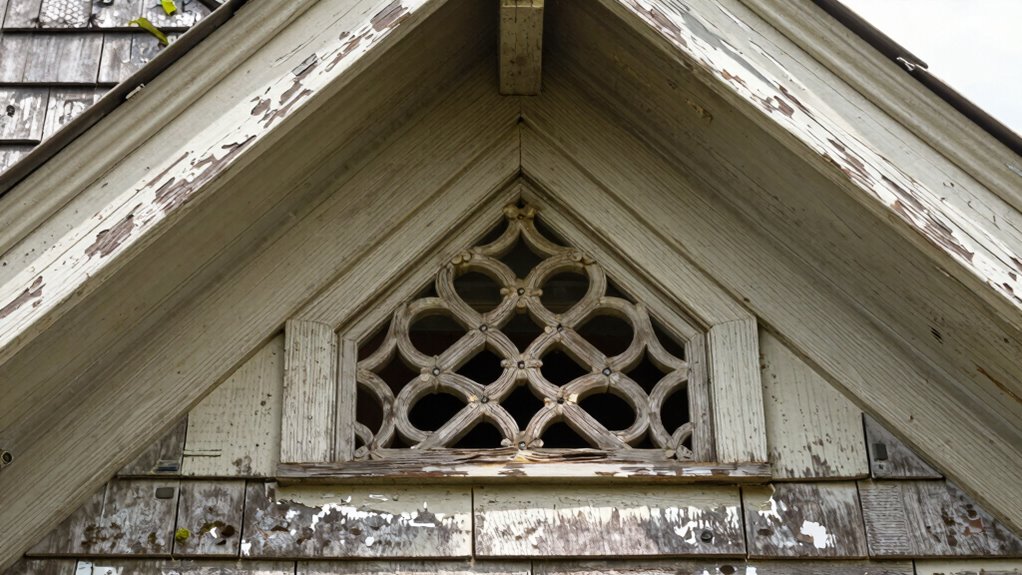

In an older home, architectural features like transoms, decorative vents, and high ceilings can make ventilation upgrades much easier. These elements often serve as natural pathways or discreet spots to install new systems without damaging the historic look. By utilizing these built-in features, you can improve airflow and preserve the home’s character at the same time. Keep exploring to see how these details can help streamline your upgrade process and achieve better indoor air quality.
Key Takeaways
- Built-in features like transoms and decorative vents facilitate easier airflow improvements without extensive modifications.
- High ceilings naturally promote air circulation, reducing the need for invasive ductwork.
- Existing chases and concealed spaces behind walls can be utilized for discreet ventilation system installation.
- Original window frames and architectural details can be preserved while sealing leaks for better efficiency.
- Leveraging existing structural elements minimizes disruption and maintains the home’s historic aesthetic.
Are your older home’s ventilation systems keeping up with modern standards? If you’re upgrading, understanding the unique features of historic architecture can make the process smoother. Many older homes were built before current ventilation and energy efficiency standards, but their charm and character shouldn’t be sacrificed. Instead, you can approach upgrades thoughtfully, respecting the original design while enhancing airflow and indoor air quality.
Upgrade your historic home’s ventilation thoughtfully, preserving charm while improving airflow and indoor air quality.
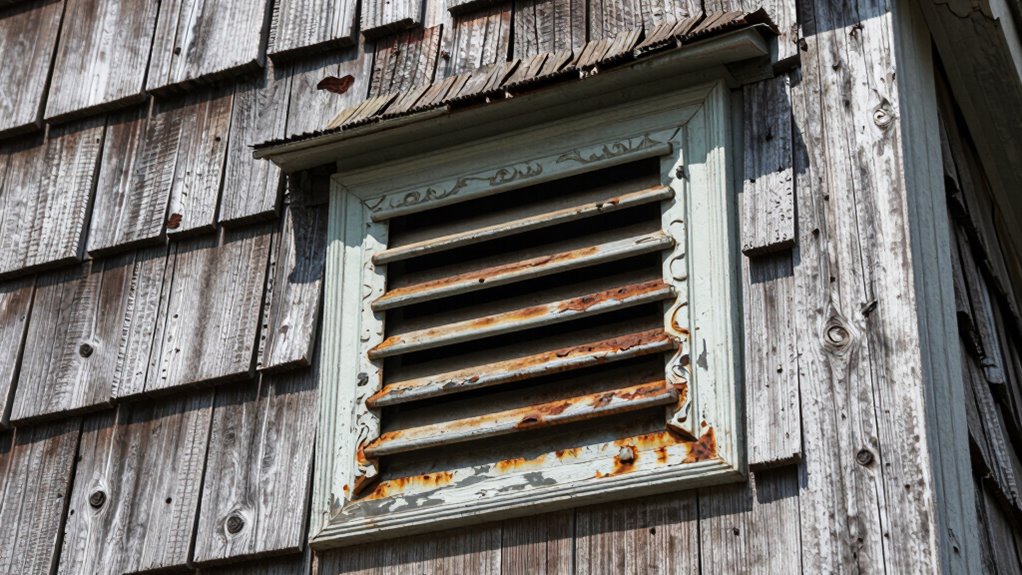
One key detail that can considerably simplify ventilation upgrades is the home’s existing construction features. For example, many historic homes have built-in elements like transoms, decorative vents, or high ceilings that were originally designed for airflow. Recognizing and utilizing these features can help you install new systems without extensive modifications. These architectural details often serve as natural pathways for air movement, reducing the need for invasive work and preserving the aesthetic integrity of your home.
When planning upgrades, focus on how to leverage these architectural elements to improve energy efficiency. Older homes typically lack insulation and airtightness, leading to drafts and higher energy costs. By combining the preservation of historic architecture with modern insulation techniques, you can create a more energy-efficient environment that also benefits ventilation. For instance, sealing leaks around windows and doors, while maintaining the original window frames, can substantially reduce unwanted air exchange, making your ventilation system work more effectively. Additionally, understanding historic building features can guide you in making choices that respect your home’s original design while optimizing performance.
Another aspect to think about is the placement of vents and exhaust fans. In homes with high ceilings or unique layouts, strategic placement can improve airflow without disturbing the historic design. Installing inline fans or venting systems behind decorative elements can be discreet, maintaining the home’s aesthetic while enhancing ventilation. Using existing chases or spaces behind walls can also facilitate the installation of ductwork, saving time and preserving the original structure. Incorporating proper ventilation techniques can further ensure a healthier indoor environment while respecting the home’s historic integrity.
As an affiliate, we earn on qualifying purchases.
Frequently Asked Questions
How Can I Assess My Home’s Current Ventilation Effectiveness?
You can assess your home’s ventilation effectiveness by observing indoor air quality and air circulation. Check for stuffy odors, excess humidity, or lingering dust, which indicate poor ventilation. Open windows and doors to see if fresh air flows well throughout your space. You might also use an air quality monitor or perform simple tests like feeling for air movement near vents and windows. These steps help identify areas needing improved airflow.
Are There Specific Tools Needed for Ventilation Upgrades?
Ever wondered what tools you’ll need for ventilation upgrades? You’ll need basic ventilation tools like duct tape, screwdrivers, and possibly a power drill. For more advanced upgrade techniques, consider using a smoke pencil to identify leaks and a manometer to measure airflow. These tools help guarantee your upgrade is effective and efficient. Are you ready to tackle your project with the right equipment? Proper tools make all the difference!
What Are Common Challenges in Upgrading Older Home Ventilation Systems?
You might face challenges in upgrading older home ventilation systems, especially when balancing improved indoor air quality with existing structures. Outdated ductwork, limited space, and inconsistent adherence to ventilation standards can complicate the process. You’ll need to carefully assess indoor air quality needs, guarantee your upgrades meet current ventilation standards, and adapt your approach to fit the home’s unique layout. Proper planning and expert advice help overcome these common hurdles effectively.
How Long Does a Typical Ventilation Upgrade Process Take?
Upgrading your ventilation system is like turning a ship around—you want it done smoothly and efficiently. Typically, it takes about one to three days, depending on your home’s size and the ventilation types you choose, like exhaust fans or heat recovery ventilators. The process involves installing equipment, sealing leaks, and testing indoor air quality. With proper planning, you’ll breathe easier in no time.
Can I Upgrade Ventilation Without Damaging the Home’s Structure?
Yes, you can upgrade ventilation without damaging your home’s structure by focusing on historic preservation and airflow optimization. Work with professionals experienced in preserving older homes, who can recommend non-invasive methods like adding vents or using existing ducts. These updates improve airflow while maintaining the home’s integrity. Proper planning guarantees you enhance ventilation efficiently, respecting the home’s historic features and avoiding unnecessary structural changes.
As an affiliate, we earn on qualifying purchases.
Conclusion
Upgrading ventilation in your older home isn’t just about comfort—it can markedly improve indoor air quality and energy efficiency. Did you know that older homes can have air leakage rates of up to 30%? By paying attention to details like existing ductwork and structural features, you make upgrades smoother and more effective. With a few thoughtful improvements, you’ll breathe easier, save money, and enjoy a healthier living environment for years to come.
As an affiliate, we earn on qualifying purchases.
decorative wall vents for old homes
As an affiliate, we earn on qualifying purchases.
As an affiliate, we earn on qualifying purchases.