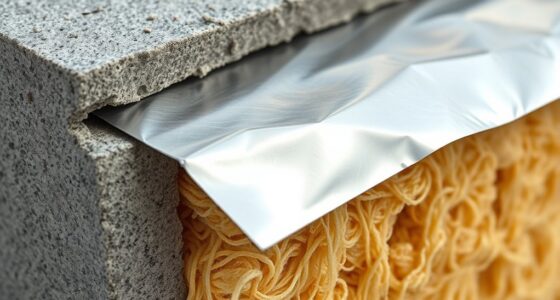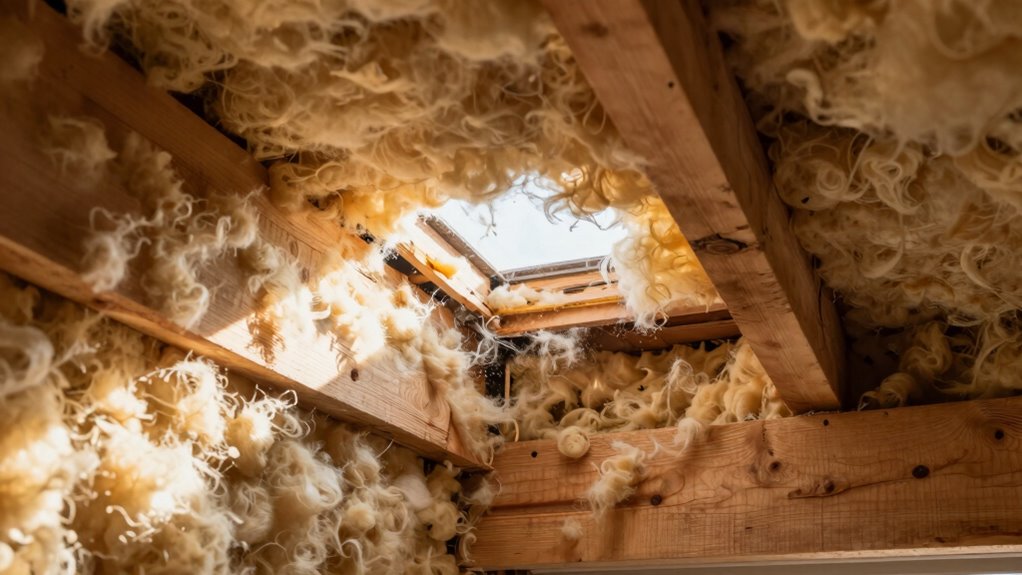
Many attics still have hidden thermal bypasses that allow heat to escape, even if your insulation looks fine. These bypasses happen through gaps behind walls, ceilings, or around vents, making them hard to detect. Proper ventilation, sealing leaks, and thorough insulation are essential to stop heat from sneaking out. If you want to maximize energy efficiency and keep your home comfortable, understanding these hidden pathways is key—there’s more to learn about keeping your home properly sealed.

Get backup power and energy gear delivered free with Prime
- Fast, free delivery on millions of items
- Prime Video, Amazon Music and more included
- Member-only deals all year
Key Takeaways
- Many attics have hidden gaps behind insulation, allowing warm or cold air to bypass the thermal barrier.
- Inadequate sealing of penetrations and vents contributes to persistent thermal bypass issues.
- Poor installation practices and lack of thorough insulation reduce attic energy efficiency.
- Improper ventilation systems can create pressure differences that facilitate air leakage.
- Addressing leaks, sealing gaps, and proper insulation are essential to eliminate thermal bypass in attics.
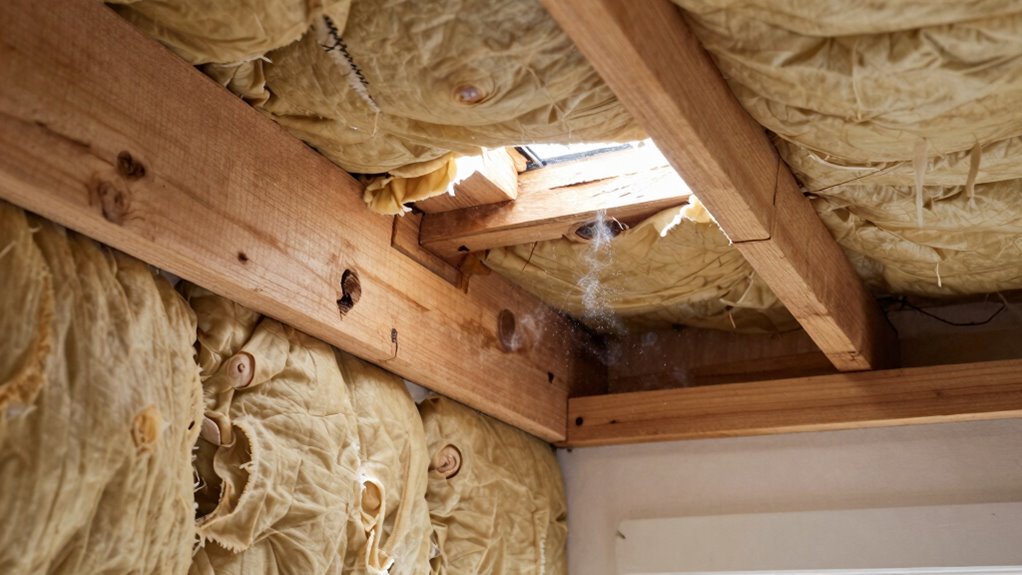
Have you ever wondered why some buildings seem to lose heat even when their insulation appears intact? The answer often lies in the overlooked issue of thermal bypass, especially in attics. Even if you’ve invested in proper insulation installation, heat can escape through hidden pathways that bypass the insulation altogether. This problem isn’t always obvious because it occurs behind walls, above ceilings, or within small gaps that are difficult to spot. It’s a common issue that hampers energy efficiency and drives up heating and cooling costs.
Thermal bypass causes hidden heat loss despite proper insulation, increasing energy costs and reducing efficiency.
To effectively address this, you need to understand how ventilation strategies play a role in preventing thermal bypass. Proper ventilation isn’t just about airflow; it’s about ensuring that air moves through designated pathways rather than leaking through unintended gaps. When ventilation systems are poorly designed or installed, they inadvertently create pathways for warm air to escape or cold air to infiltrate. This makes insulation less effective and allows heat to bypass the insulation layer entirely. An ideal ventilation strategy involves sealing leaks, installing baffles, and ensuring that soffit and ridge vents work together to promote controlled airflow. When ventilation is properly managed, it minimizes pressure differences that cause air to move through small gaps, therefore reducing thermal bypass.
However, even with good ventilation strategies, insulation installation must be thorough. Gaps, cracks, and poorly sealed areas around vents, chimneys, or electrical fixtures create opportunities for heat to escape. You should pay close attention to these details when insulating your attic. Using high-quality materials and sealing all penetrations ensures that your insulation performs as intended. Remember, insulation isn’t just about filling gaps with foam or batt material; it’s about creating a continuous thermal barrier. When insulation is installed correctly, it works in tandem with your ventilation system to prevent warm air from escaping and cold air from entering. Ensuring proper air sealing is crucial to maximizing insulation effectiveness and preventing thermal bypass.
Ultimately, tackling the thermal bypass problem requires a thorough approach. You can’t just focus on adding more insulation; you also need to maximize ventilation strategies and meticulously install insulation to eliminate gaps. This combination ensures that your attic becomes a true thermal barrier rather than a weak point in your home’s energy system. Paying attention to building envelope integrity and other critical factors will help you improve your home’s energy efficiency, reduce utility bills, and create a more comfortable living environment. Addressing air leakage issues early on can significantly improve your thermal performance. Thermal bypass isn’t inevitable if you take the right steps to seal leaks, maximize airflow, and install insulation properly. Proper home energy assessments can help identify hidden bypass pathways and guide effective solutions.
As an affiliate, we earn on qualifying purchases.
Frequently Asked Questions
How Can I Identify Thermal Bypasses in My Attic?
To identify thermal bypasses in your attic, look for signs of attic air leaks and insulation gaps. Use a flashlight to inspect for light shining through holes or gaps, especially around vents, chimneys, and attic access points. Feel for drafts during different weather conditions, and consider using an infrared camera or smoke pen to detect hidden leaks. Sealing these gaps improves energy efficiency and prevents heat loss.
What Materials Are Best for Sealing Attic Gaps?
You should use high-quality sealants like spray foam, caulk, or weatherstripping to seal attic gaps effectively. When choosing insulation types, opt for spray foam or dense pack cellulose, as they provide better air sealing than loose-fill options. Focus on air sealing around penetrations, vents, and wiring to prevent thermal bypasses. Proper sealing and insulation together improve energy efficiency and keep your attic properly insulated.
How Much Does Attic Sealing Typically Cost?
Attic sealing typically costs between $300 and $1,000, depending on the size and complexity of your space. You’ll want to include ventilation improvements and moisture control to maximize energy efficiency and prevent issues like mold. Proper sealing guarantees air leaks are minimized, lowers heating and cooling costs, and enhances comfort. Investing in professional sealing ensures your attic is well-insulated and ventilated, providing long-term savings and a healthier home environment.
Can Thermal Bypasses Affect Home Energy Efficiency?
Thermal bypasses definitely impact your home’s energy efficiency. When unsealed gaps allow warm or cool air to escape, your HVAC system works harder, increasing energy bills. This also affects indoor air quality, as drafts and moisture can enter through these gaps, leading to potential mold or pollutants. Addressing thermal bypasses guarantees your system runs smoothly, saving energy, reducing costs, and improving overall indoor comfort and air quality.
How Often Should Attic Insulation Be Inspected or Replaced?
You should inspect your attic insulation at least once a year and replace it every 15-20 years, depending on the insulation materials used. Check for signs of moisture, damage, or compression. Guarantee proper attic ventilation to prevent moisture buildup and maintain insulation effectiveness. Regular inspections help catch issues early, improve energy efficiency, and prevent thermal bypasses that can compromise your home’s comfort and utility bills.
As an affiliate, we earn on qualifying purchases.
Conclusion
So, as you seal your attic’s gaps and insulate carefully, it’s almost like catching a coincidence—finding hidden drafts just when you think everything’s tight. That small, overlooked space can quietly drain your energy and spike costs. But now, with a keen eye and a little effort, you can turn this coincidence into a win. Keep up the vigilant checks, and you’ll enjoy a warmer, more efficient home—proving that sometimes, the tiniest fixes make the biggest difference.
As an affiliate, we earn on qualifying purchases.
As an affiliate, we earn on qualifying purchases.
Halloween Picks
halloween
As an affiliate, we earn on qualifying purchases.