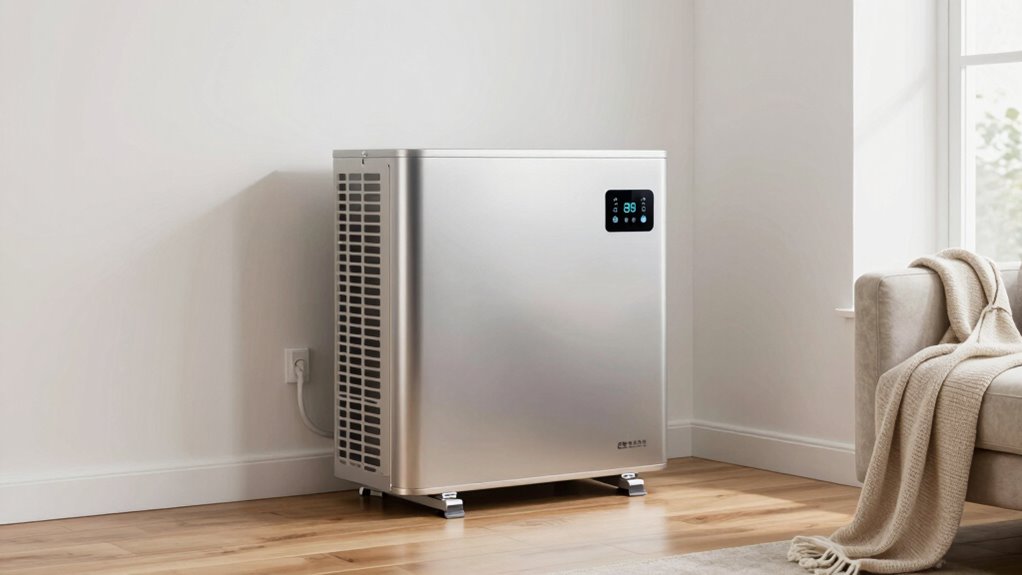

Choosing between a combined all-in-one HVAC unit and separate systems depends on your home’s size, climate, and budget. An all-in-one can save space and potentially lower long-term energy bills, but it usually costs more upfront and is harder to install and repair. Separate units are easier to install and maintain but might take up more space. To decide what works best for your situation, consider your needs carefully—more details will help you make an informed choice.

Get backup power and energy gear delivered free with Prime
- Fast, free delivery on millions of items
- Prime Video, Amazon Music and more included
- Member-only deals all year
Key Takeaways
- Combined units may have higher upfront costs but can offer long-term energy savings if properly maintained.
- Separate systems are easier and cheaper to install but might lack the integrated efficiency of all-in-one units.
- All-in-one systems are suitable for homes with frequent heating and cooling needs, especially in moderate climates.
- Maintenance and repairs can be more complex and costly for combined units compared to separate systems.
- Consulting HVAC professionals helps determine the most cost-effective, home-specific cooling and heating solution.

When it comes to maintaining a comfortable home, understanding your heating and cooling units is essential. One question you might be asking yourself is whether to invest in a single combined system or separate units for heating and cooling. Buying a unit that handles both functions can seem appealing, especially if you’re looking to save space or streamline maintenance. However, it’s important to consider factors like energy efficiency and installation costs before making a decision.
Combined units, often called all-in-one HVAC systems, tend to have higher upfront installation costs compared to buying separate systems. The installation process can be more complex, requiring specialized technicians to properly set up and calibrate the unit. This initial expense might seem intimidating, but it’s worth weighing against potential long-term savings. Generally, separate units are easier and cheaper to install initially, but they might not be as efficient in energy use. An all-in-one system can be designed to optimize energy efficiency by balancing heating and cooling needs within a single unit, potentially lowering your monthly utility bills over time. Still, if the system isn’t well-maintained or if it’s not the right size for your home, the energy efficiency benefits can diminish, leading to higher operational costs.
You should also think about your home’s specific needs. If your climate requires frequent switching between heating and cooling, a combined unit might offer better convenience. However, if you live in an area with more moderate temperatures or have a large home with varied zones, separate units for each function could be more effective and allow for targeted heating or cooling where needed. Additionally, some air quality features offered in modern HVAC systems can influence your choice, as these might be more readily integrated into separate or combined units depending on your priorities. Moreover, understanding system compatibility is crucial to ensure that your chosen units work well together and provide reliable performance. Properly sizing and matching these systems can also help prevent energy waste and improve overall efficiency.
Another key factor is maintenance. With a single unit, you only need to service one system, which can simplify routine upkeep and repairs. But if the all-in-one unit breaks down, it could be more costly and disruptive to fix. Separate units, on the other hand, can be serviced independently, minimizing downtime if one system requires repairs.
Additionally, understanding indoor air quality and humidity control options can significantly impact your comfort and health, regardless of whether you choose a combined or separate system.
In the end, choosing between a combined heating and cooling unit or separate systems depends on your budget, home layout, and long-term goals. While integrated units might offer initial convenience and potential energy efficiency benefits, they often come with higher installation costs. Carefully evaluate your home’s needs and consult with HVAC professionals to find the most cost-effective and efficient solution for your situation.
As an affiliate, we earn on qualifying purchases.
Frequently Asked Questions
Are All-In-One Units More Energy-Efficient Than Separate Systems?
All-in-one units typically aren’t more energy-efficient than separate systems, mainly because they often compromise on ideal performance. You might see some energy savings with a combined unit, but the installation complexity can lead to higher maintenance and operational costs over time. If energy efficiency is your priority, separate heating and cooling systems usually provide better control and efficiency, helping you save in the long run.
How Long Do Heating and Cooling Units Typically Last?
Your heating and cooling units typically last around 10 to 15 years, but their lifespan depends on factors like maintenance and usage. While they’re generally built to be energy efficient, neglecting regular care can shorten their system lifespan. Think of it like a car—if you keep up with tune-ups, it runs smoothly longer. Proper maintenance boosts energy efficiency and extends the life of your units, saving you money in the long run.
Can One Unit Adequately Heat and Cool Large Homes?
One unit can sometimes adequately heat and cool large homes, but zoning challenges and installation complexity often arise. If your home has multiple zones or uneven heating and cooling needs, a single system may struggle to maintain consistent comfort. It’s crucial to take these factors into account and consult a professional. Proper zoning and a well-planned setup ensure your unit can effectively handle larger spaces without sacrificing efficiency or comfort.
What Maintenance Is Required for Combined Heating and Cooling Units?
You should regularly inspect and replace filters to maintain system durability and guarantee efficient operation. Schedule professional maintenance annually to check refrigerant levels, clean coils, and inspect ductwork. Keep noise levels in check by tightening loose parts and lubricating moving components. Regular upkeep prevents breakdowns, prolongs the lifespan of your combined heating and cooling unit, and keeps noise levels low, ensuring comfort and efficiency year-round.
Are All-In-One Units More Cost-Effective Than Separate Systems?
All-in-one units are usually more cost-effective than separate systems, saving you a fortune that could fill an ocean. When considering the cost comparison, they typically cost less upfront and reduce installation hassle, making setup a breeze. Plus, maintenance becomes simpler with just one system to care for. So, if you want to cut costs and avoid headaches, an all-in-one unit might be your best bet.
separate heating and cooling units
As an affiliate, we earn on qualifying purchases.
As an affiliate, we earn on qualifying purchases.
Conclusion
Ultimately, whether you choose a combined heating and cooling unit depends on your needs—and your luck. Just like finding that perfect sweater on a chilly day, sometimes the right all-in-one unit feels meant to be. Keep in mind your space, budget, and preferences, and you might just stumble upon a solution that surprises you. After all, the best decision often comes when you least expect it—like a cozy, perfect fit in your home.
As an affiliate, we earn on qualifying purchases.
As an affiliate, we earn on qualifying purchases.
Halloween Picks
halloween
As an affiliate, we earn on qualifying purchases.