Infiltration loss is the unseen draft of conditioned air sneaking out through tiny gaps around windows, doors, or cracks, which you can often feel as cold breezes or uneven temperatures. While these leaks are hard to spot, their effects are noticeable in rising energy bills and comfort issues. Sealing these leaks with weatherstripping or caulking can drastically improve efficiency and comfort. If you want to understand how small cracks impact your home, there’s more you should know.
Key Takeaways
- Drafts near windows and doors indicate air leaks causing infiltration loss.
- Uneven indoor temperatures suggest conditioned air escaping through small gaps.
- Increased energy bills often result from HVAC systems working harder to compensate.
- Visible cracks or gaps may be absent, but drafts and temperature inconsistencies reveal infiltration.
- Sealing leaks with weatherstripping or caulking improves comfort and energy efficiency.
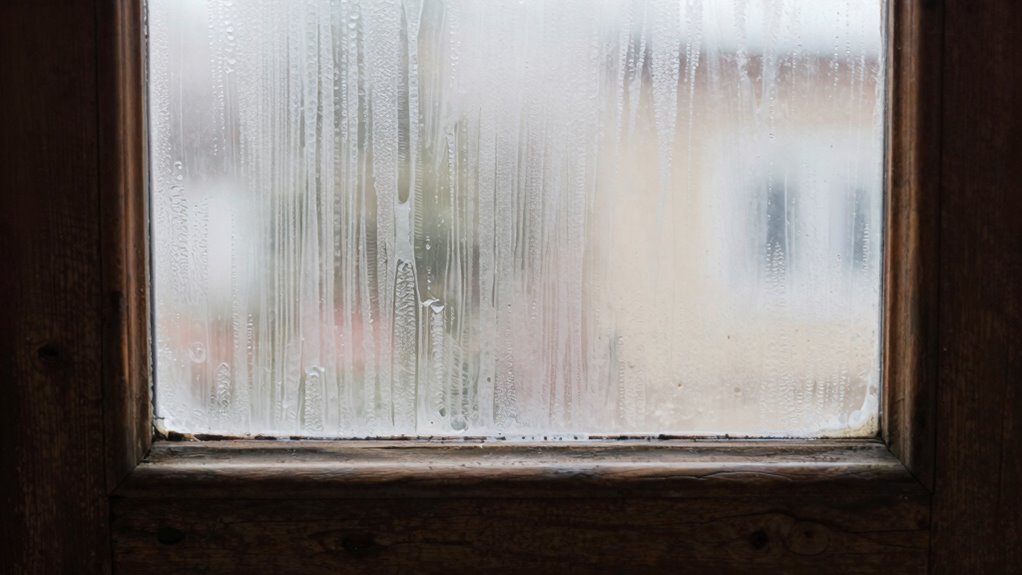
Have you ever wondered how much conditioned air escapes your building without you noticing? It’s a common question, especially because infiltration loss often happens quietly. When warm or cool air leaks through tiny gaps, cracks, or openings in your walls, windows, or doors, it can make your heating and cooling systems work harder than necessary. This unseen air escape can significantly impact your energy efficiency over time. Air leakage isn’t always obvious—you might not see the cracks, but you certainly feel the effects. You notice drafts, uneven temperatures, and increased energy bills. These are signs that your building isn’t sealing tightly enough, and that infiltration loss is at play.
Air leakage undermines your efforts to maintain a comfortable indoor environment. It causes your HVAC system to run longer and more frequently, trying to compensate for the lost conditioned air. Over time, this results in higher energy consumption and increased utility costs. More importantly, it impacts your building’s energy efficiency. When too much conditioned air escapes, you’re fundamentally throwing money out of the window, while your system struggles to keep up with the demand. This inefficiency isn’t just about money; it also affects your comfort. You may feel cold drafts near windows or doors, or notice uneven temperatures across rooms, all because of small but persistent air leaks.
Addressing infiltration loss requires you to identify and seal these leaks effectively. Common trouble spots include gaps around window frames, door jambs, electrical outlets, and where different building materials meet. Weatherstripping, caulking, and sealants are your best tools for sealing these gaps. It’s a proactive step that improves energy efficiency and reduces the load on your HVAC system. When you minimize air leakage, you can keep your indoor climate more consistent, and your energy bills will reflect that. You won’t have to crank up the heat or air conditioning as often, saving money and reducing your environmental footprint.
Understanding infiltration loss highlights the importance of building envelope integrity. Even the tiniest cracks can cause significant energy waste over time. Sealing these leaks is essential for maintaining a comfortable indoor environment, especially in extreme weather conditions. So, if you’re looking to cut energy costs and enhance comfort, start by inspecting your property for air leaks. Sealing these leaks isn’t complicated, but the impact is considerable. It’s a simple, cost-effective way to improve your building’s energy efficiency and ensure you’re not losing conditioned air without even realizing it. In the end, it’s about taking control of your indoor environment and making every bit of conditioned air count.

33 Ft Gray Self-Adhesive Soundproofing Weather Stripping for Doors and Windows, 0.35" Wide x 0.2" Thick
- Strong Adhesive: Prevents heat, cold, and noise escape
- High-Density Soft Hair: Wear-resistant, corrosion-resistant, flexible brush
- Multi-Functional & Durable: Windproof, rainproof, dustproof, soundproof, energy-saving
As an affiliate, we earn on qualifying purchases.
As an affiliate, we earn on qualifying purchases.
Frequently Asked Questions
How Can I Detect Infiltration Loss Without Specialized Tools?
You can detect infiltration loss by feeling around windows and doors for drafts or cold spots, especially on windy days. Use your hand to check for air leakage, and listen for whistling sounds. Improve detection with simple weatherstripping methods, like sealing gaps with foam tape or weatherstripping tape. These steps help you identify and reduce infiltration loss without specialized tools, making your home more energy-efficient.
Does Infiltration Loss Affect Indoor Air Quality?
Did you know that infiltration loss can increase indoor pollutants by up to 30%? Yes, it affects indoor air quality by disrupting indoor ventilation and air circulation, allowing dust, allergens, and pollutants to linger. When infiltration is high, fresh air doesn’t circulate properly, and stale air accumulates. This can make your indoor environment less healthy, especially if you have respiratory issues. Improving air circulation helps maintain better indoor air quality.
Can Infiltration Loss Lead to Higher Energy Bills?
Yes, infiltration loss can lead to higher energy bills. When you don’t have proper air sealing or insulation upgrades, outside air sneaks in, forcing your HVAC system to work harder to maintain comfort. This increased workload consumes more energy, raising costs. To reduce infiltration loss, focus on sealing leaks around windows, doors, and vents, and consider upgrading insulation to improve overall energy efficiency and save money on your bills.
What Are Common Signs of Infiltration in a Home?
You might notice drafts around windows and doors, uneven temperatures, or increased moisture buildup in your home. These signs point to infiltration affecting your ventilation efficiency, letting outside air seep in or conditioned air escape. You may also see peeling paint or condensation on windows. Addressing these issues improves energy efficiency, reduces moisture buildup, and keeps your home more comfortable and healthy.
How Often Should I Check for Infiltration Issues?
You should check for infiltration issues at least twice a year—more if you notice drafts or increased energy bills. Regular inspections help you identify problems early, preventing costly repairs. Focus on ventilation strategies and insulation improvements, especially around windows, doors, and attics. Think of it as your home’s heartbeat; neglecting it could lead to a catastrophe. Stay vigilant, and your home will stay cozy, efficient, and safe.

GE Advanced Silicone Caulk for Kitchen & Bathroom, White, 2.8 fl oz Tube, 1 Pack – 100% Waterproof Silicone Sealant, 5X Stronger Adhesion, Shrink & Crack Proof
- Waterproof Protection: Provides reliable waterproof seal
- Flexible and Durable: Remains flexible and adapts to surfaces
- Fast Water Resistance: Ready to resist water in 30 minutes
As an affiliate, we earn on qualifying purchases.
As an affiliate, we earn on qualifying purchases.
Conclusion
You might not see infiltration loss, but it quietly drains your energy and comfort. Did you know that drafts can account for up to 30% of a home’s heat loss? That means a simple seal or upgrade could save you hundreds on energy bills each year. By paying attention to those invisible leaks, you take control of your home’s efficiency. Don’t overlook the small gaps—they make a big difference in keeping your space cozy and cost-effective.
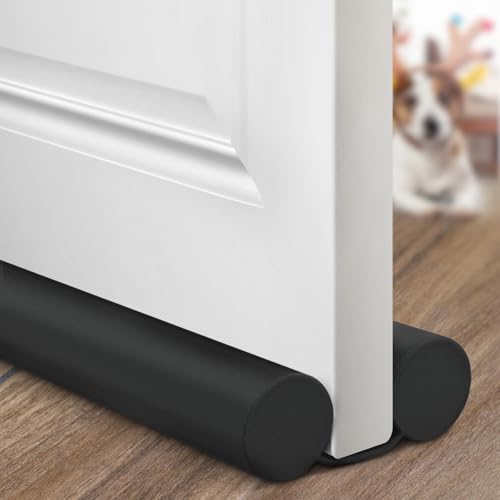
Holikme Door Draft Stopper Weather Stripping Adjustable Door Sweeps, Black
- Easy to install: Adjustable size for most doors
- Light and wind blocker: Blocks light, wind, smoke, dust, pests
- Durable materials: Compatible with various flooring types
As an affiliate, we earn on qualifying purchases.
As an affiliate, we earn on qualifying purchases.
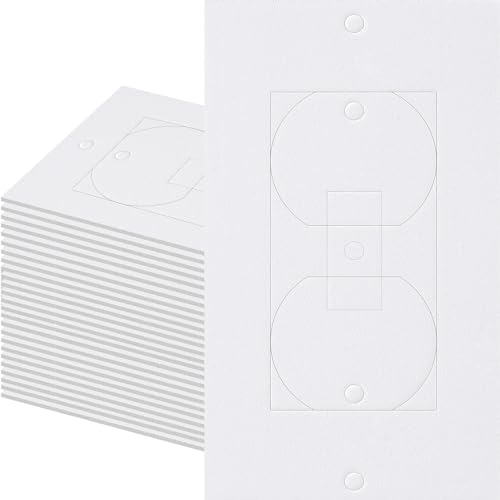
Outlet Insulators Draft Sealers, 30 Pack Electrical Outlet Insulation Pads, EVA Foam Gasket for Wall, Light, Switch Socket Cover Compatible with Duplex Toggle Rocker Wall Plate Openings
- Draft Prevention: Keeps drafts out for better comfort
- Universal Fit: Compatible with toggle, duplex, rocker switches
- Easy Installation: Pre-cut design for simple setup
As an affiliate, we earn on qualifying purchases.
As an affiliate, we earn on qualifying purchases.