
Thermal bridges happen when heat escapes through weak spots or gaps in your building’s insulation, often around windows, doors, or structural supports like metal beams. These pathways increase energy bills and make your space less comfortable by causing cold spots and drafts. To prevent them, guarantee your insulation is continuous, fill gaps with sealants, and use thermal breaks for metal components. Keep exploring to discover effective strategies for creating a more energy-efficient and cozy environment.

Get backup power and energy gear delivered free — and shop member deals
- Fast, free delivery on millions of items
- Access to Prime Big Deal Days deals on October 6–7
- Prime Video, Amazon Music and more included
Key Takeaways
- Thermal bridges occur at weak points where heat escapes due to insulation gaps or conductive materials.
- Gaps around openings and structural connections allow increased heat transfer and create cold spots.
- Using thermal breaks and continuous insulation helps prevent heat flow through conductive components.
- Proper sealing, insulation installation, and detailing are essential to eliminate or minimize thermal bridges.
- Addressing thermal bridges enhances energy efficiency, indoor comfort, and reduces heating and cooling costs.
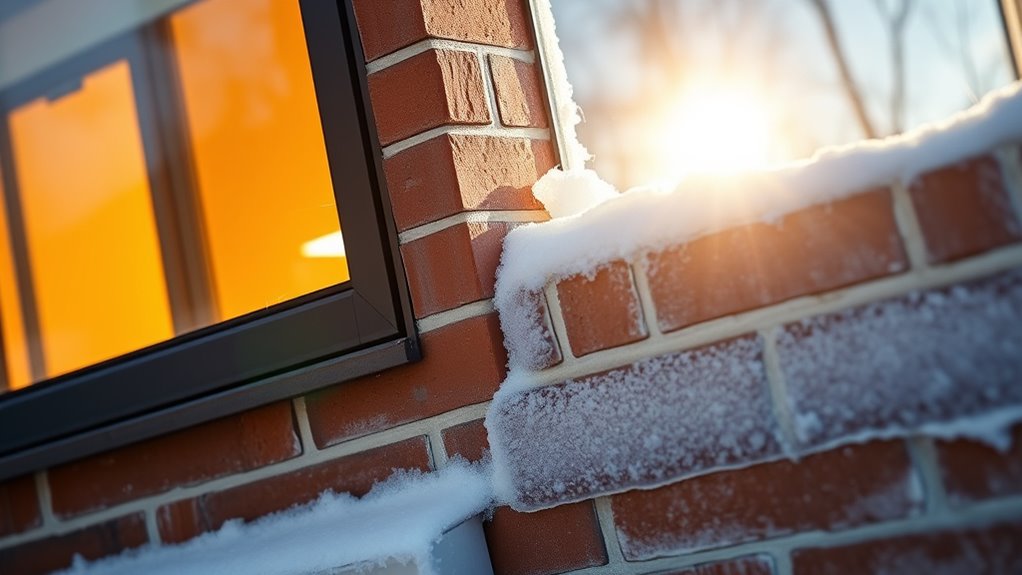
Have you ever wondered why certain areas of a building feel colder or more drafty than others? It’s often due to something called thermal bridges, which are points where heat escapes more easily. One common cause of these bridges is insulation gaps. When insulation isn’t continuous or properly installed, it creates weak spots that allow heat to transfer from the inside to the outside or vice versa. These gaps can be tiny or large, but their impact on your comfort and energy bills can be significant. If you see areas around windows, doors, or corners feeling cooler, it’s likely because insulation gaps are letting heat slip away.
Another vital factor contributing to thermal bridges involves structural connections. Buildings are constructed with various elements—beams, columns, wall ties—that connect different sections. If these connections aren’t designed with thermal breaks or proper insulation, they can serve as pathways for heat transfer. Metal components, in particular, are highly conductive and can act as thermal bridges if not carefully insulated or thermally separated. When these structural connections aren’t properly managed, they compromise the overall insulation of your building, creating cold spots and increasing energy consumption as your heating or cooling systems work harder to maintain a comfortable temperature.
To prevent these issues, you should focus on sealing insulation gaps during construction or renovation. This involves ensuring that insulation is continuous, covers all areas, and is properly fitted without voids or compression. Using spray foam, caulk, or insulation batts can help fill these gaps effectively. Additionally, paying attention to the design of structural connections can make a big difference. Incorporating thermal breaks—materials with low thermal conductivity—between metal components and the building’s frame reduces heat transfer through these connections. Proper detailing during construction ensures that metal beams or supports are insulated or separated from interior spaces, preventing them from acting as thermal bridges.
Understanding how insulation gaps and structural connections contribute to thermal bridging lets you take proactive measures to improve your building’s energy efficiency and comfort. It’s not just about adding insulation but ensuring it’s seamless and well-connected throughout the structure. By addressing these common problem areas, you minimize heat loss, reduce drafts, and lower your energy bills. Ultimately, paying attention to these details helps keep your indoor environment cozy and stable, no matter how cold it gets outside. Recognizing creative problem-solving in building design can lead to innovative solutions for thermal management and energy savings.
Frequently Asked Questions
How Do Thermal Bridges Affect Indoor Air Quality?
Thermal bridges can negatively impact your indoor air quality by causing cold spots that promote mold growth and dampness. This can increase indoor humidity levels, making the environment uncomfortable and potentially harmful. Additionally, thermal bridges hinder proper air circulation, trapping pollutants and allergens inside. To improve air quality, you should focus on reducing thermal bridges, ensuring good insulation, and maintaining proper ventilation throughout your home.
Can Thermal Bridges Cause Structural Damage Over Time?
Yes, thermal bridges can cause structural damage over time. They lead to uneven temperature distribution, which weakens building materials and accelerates material degradation. This ongoing stress can compromise building durability, making structures more vulnerable to cracks, warping, and even failure. By addressing thermal bridges early, you help safeguard your building’s integrity, prevent costly repairs, and ensure long-term safety and stability.
Are There Specific Building Codes Addressing Thermal Bridge Prevention?
Think of building codes as your home’s immune system, protecting it from issues like thermal bridges. Yes, there are specific regulations addressing their prevention, especially within insulation standards and energy efficiency codes. For example, LEED and local building codes mandate continuous insulation and proper detailing. By adhering to these regulations, you guarantee your construction minimizes thermal bridging, reducing energy loss and indoor temperature fluctuations, ultimately creating a more durable, efficient home.
What Materials Are Most Effective in Reducing Thermal Bridging?
You should choose insulation materials with low thermal conductivity, like foam boards, spray foam, or mineral wool, to effectively reduce thermal bridging. Incorporate construction techniques such as continuous insulation layers, thermal breaks, and properly designed junctions to minimize heat flow. Combining high-quality insulation materials with strategic construction methods ensures you substantially lower thermal bridges, improving energy efficiency and comfort in your building.
How Does Climate Influence the Severity of Thermal Bridges?
Climate impact and temperature variation profoundly influence how severe thermal bridges become. In colder climates, thermal bridges cause more heat loss, making your building less energy-efficient and increasing heating costs. Conversely, in warmer areas, they can lead to unwanted heat gain, raising cooling expenses. You should consider climate-specific insulation strategies and design choices to minimize these effects, ensuring your building maintains ideal energy performance regardless of environmental conditions.
Conclusion
By understanding thermal bridges, you prevent energy loss and protect your home’s structure. Think of it as safeguarding warmth against cold drafts, just like shielding delicate glass from cracks. While neglecting them invites inefficiency and damage, addressing thermal bridges keeps your space cozy and durable. Embrace these solutions now—because insulating your home isn’t just about comfort, it’s about building resilience in the face of environmental challenges. Stay proactive, and your home will thank you for it.
Fall Picks
fall essentials
As an affiliate, we earn on qualifying purchases.