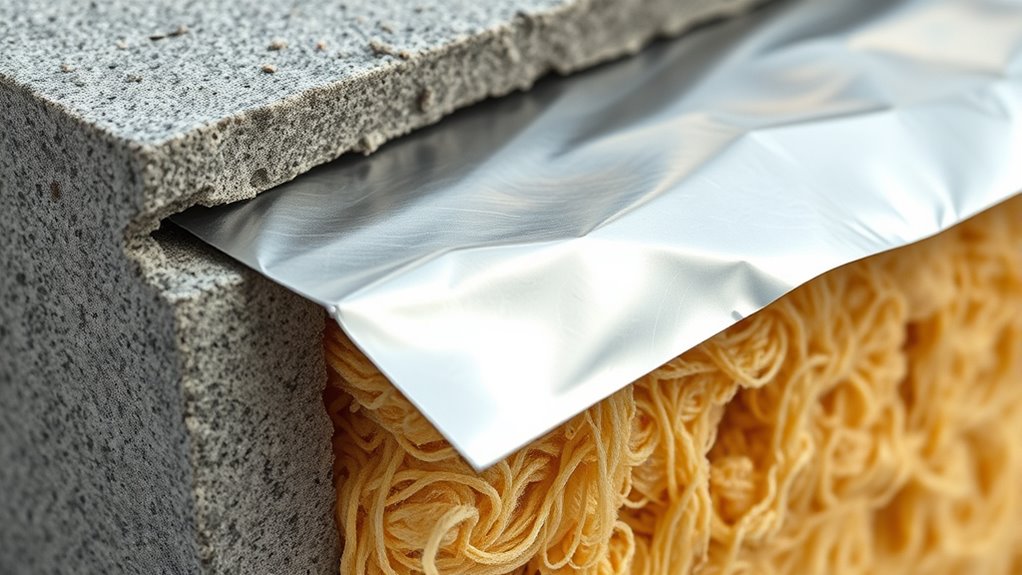

Understanding the thermal conductivity of building materials and insulation helps you choose the right options to improve energy efficiency. Materials like concrete or metal have high thermal conductivities, meaning they transfer heat easily, while wood, foam, and fiberglass have low conductivities that resist heat flow. Selecting materials with appropriate thermal properties keeps your home warm in winter and cool in summer. Continue exploring to discover how to optimize your home’s insulation for maximum comfort and savings.
Key Takeaways
- Thermal conductivity measures how well a material conducts heat, influencing its insulation effectiveness.
- Materials like concrete and metal have high thermal conductivities, while foam and fiberglass have low values.
- Low thermal conductivity materials resist heat flow, making them ideal for insulation.
- The thermal conductivity rating helps compare materials’ insulating qualities for building applications.
- Proper selection of materials with suitable thermal properties enhances home energy efficiency and comfort.

Have you ever wondered why some building materials keep your home warm in winter and cool in summer? The answer lies in understanding heat transfer and the material composition of those materials. Heat transfer is the process by which heat moves from one area to another, whether through conduction, convection, or radiation. In homes, conduction is the primary mode, where heat flows directly through materials. The effectiveness of a building material in controlling this heat flow depends heavily on its material composition, which determines its thermal conductivity. Materials with low thermal conductivity resist heat transfer, helping maintain a stable indoor temperature, while those with high conductivity allow heat to pass through easily.
The material composition influences how well a material insulates or conducts heat. For example, materials like concrete and metal have high thermal conductivities because their molecules are tightly packed or good conductors of heat, respectively. These materials tend to transfer heat quickly, making them less suitable as insulators. Conversely, materials like wood, foam, or fiberglass contain pockets of trapped air or are composed of substances that resist heat flow. Their composition results in low thermal conductivity, which means they slow down heat transfer and provide better insulation.
When choosing building materials, it’s essential to consider their material composition and how it affects heat transfer. For instance, if you want to keep heat out during summer, selecting materials with low thermal conductivity will help prevent unwanted heat from entering your home. Similarly, during winter, these materials will help retain the heat inside, reducing the need for additional heating. Insulation materials like foam boards or fiberglass batts are specifically designed with low thermal conductivity to maximize their insulating properties. They contain tiny air pockets or are made of substances that do not easily transfer heat, making them highly effective at reducing heat transfer between the interior and exterior of your home.
Understanding the relationship between material composition and heat transfer empowers you to make smarter choices about building and insulation materials. When evaluating options, look closely at their thermal conductivity ratings, which directly relate to their ability to resist heat flow. Materials with lower ratings are generally better insulators, helping you save on energy costs and improve comfort year-round. Keep in mind that the overall effectiveness of your home’s insulation relies on proper installation and the right combination of materials, each chosen for its specific thermal properties. By paying attention to these factors, you can design or retrofit a space that stays warm when it’s cold outside and cool when the heat is on overdrive.
insulation foam boards
As an affiliate, we earn on qualifying purchases.
As an affiliate, we earn on qualifying purchases.
Frequently Asked Questions
How Does Moisture Affect the Thermal Conductivity of Building Materials?
Moisture absorption increases the thermal conductivity of building materials, making them less effective insulators. When materials absorb moisture, their thermal resistance drops because water conducts heat more easily than dry material. You’ll notice this effect in damp or wet conditions, where moisture compromises insulation performance. To maintain proper thermal resistance, it’s essential to prevent moisture absorption and keep materials dry, ensuring they continue to insulate effectively.
What Are the Best Insulating Materials for Extreme Temperature Environments?
You need the absolute best for extreme temperatures, and vacuum insulators are unbeatable, creating a barrier so thin yet so powerful it’s like stopping heat with a whisper. Aerogel materials are equally extraordinary, with their nearly ghost-like insulation prowess that can withstand the harshest conditions without breaking a sweat. These advanced insulators defy nature, keeping your environment stable whether it’s scorching or freezing—making them your top choice for extreme environments.
How Does Aging Impact the Thermal Properties of Insulation Materials?
Aging impacts the thermal properties of insulation materials through material degradation, which can reduce their effectiveness. Over time, exposure to moisture, UV rays, and temperature fluctuations causes aging effects like cracks, settling, or loss of insulating gases. These changes increase thermal conductivity, meaning your insulation becomes less effective at preventing heat transfer. Regular inspections and maintenance help mitigate aging effects, ensuring your insulation maintains best thermal performance over its lifespan.
Can Thermal Conductivity Vary Within the Same Material Type?
Oh sure, thermal conductivity can totally vary within the same material type—because who knew that materials aren’t exactly uniform? You’ll find material heterogeneity and thermal variability lurking in every batch, making some spots warmer or cooler than others. So, don’t be fooled into thinking your insulation is perfectly consistent; it’s more like a thermal rollercoaster, with each section having its own unpredictable ride.
How Do Installation Methods Influence Thermal Performance?
Installation techniques and material placement directly impact thermal performance. If you don’t install insulation properly, gaps or compression can create thermal bridges, reducing effectiveness. Carefully following recommended installation methods guarantees the material’s thermal properties are preserved. Properly aligned and snugly fitted materials minimize air leaks and improve energy efficiency, keeping your space comfortable. Always pay attention to installation details to optimize your insulation’s thermal performance.
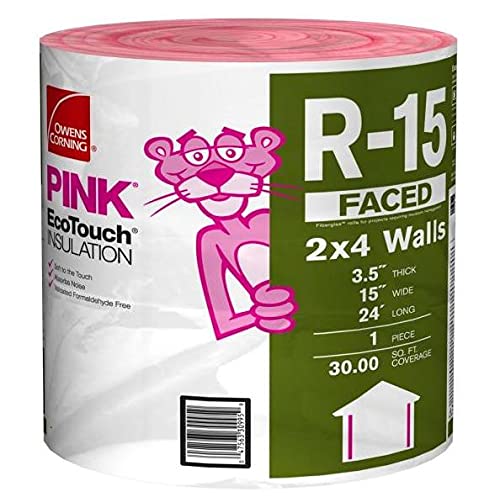
Owens Corning R- 15 Faced Fiberglass Insulation ROLL 15 in. X 24 FT. 1 ROLL RF32
Stens replacement parts have become a favorite among lawn and landscape professionals thanks to exceptional performance.
As an affiliate, we earn on qualifying purchases.
As an affiliate, we earn on qualifying purchases.
Conclusion
So, now that you know all about thermal conductivity, go ahead and choose those materials that keep your house warm or cool—whichever suits your mood. Remember, just because something’s cheap doesn’t mean it’s good at insulating. But hey, if your walls decide to act like Swiss cheese, at least you’ll have a good excuse for your indoor weather chaos. Keep those materials in check, or prepare for a lifetime of unexpected temperature surprises!

Thermal Conductivity Demonstrator for Different Metal Materials – Comparison Device for Copper, Iron and Aluminum Conductivities
*This instrument is a heat conduction demonstrator, used for middle school physics teaching to demonstrate the difference in…
As an affiliate, we earn on qualifying purchases.
As an affiliate, we earn on qualifying purchases.
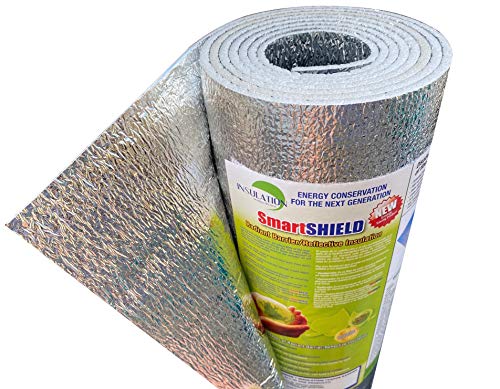
INSULATION MARKETPLACE SmartSHIELD -3mm 16inx10Ft ReflectiveINSULATION roll, Foam Core Radiant Barrier, ThermalINSULATION Shield – Engineered Foil
EXTREMELY EFFECTIVE – reflect 95% of radiant energy, perfect RADIANT BARRIER.
As an affiliate, we earn on qualifying purchases.
As an affiliate, we earn on qualifying purchases.