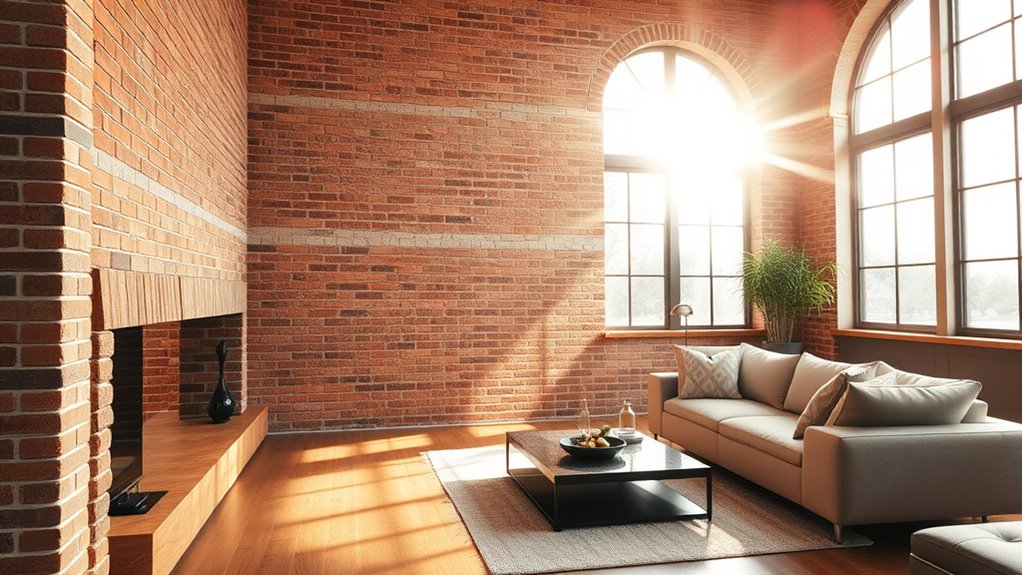

Thermal mass helps you regulate your home’s temperature by absorbing heat during the day and slowly releasing it at night. This process improves energy efficiency, reduces the need for active heating and cooling, and keeps indoor temperatures more stable. Materials like concrete, brick, or stone are effective choices. Proper placement, like behind south-facing windows, maximizes passive solar heating. Keep exploring to discover how to optimize thermal mass for your home’s comfort and sustainability.
Key Takeaways
- Thermal mass absorbs heat during the day and releases it at night, stabilizing indoor temperatures.
- It enhances heating and cooling efficiency by reducing the need for active HVAC systems.
- Proper placement and insulation maximize thermal mass’s ability to store and retain heat.
- Using sustainable, high-density materials like reclaimed brick or stone supports eco-friendly heating solutions.
- Incorporating thermal mass into passive solar design optimizes natural temperature regulation year-round.
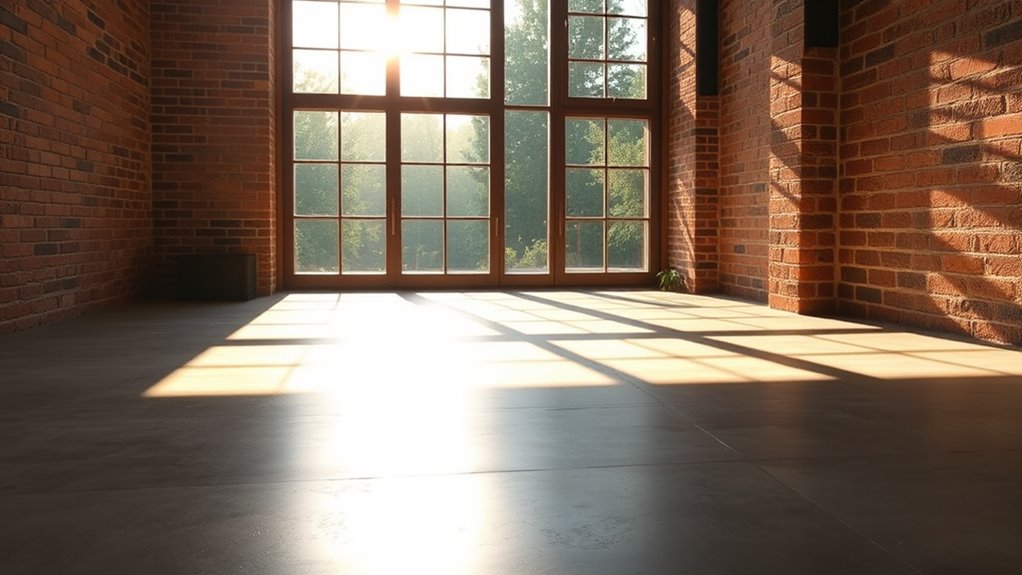
Thermal mass plays an vital role in regulating your home’s temperature by absorbing, storing, and releasing heat. When you understand how it works, you’ll see how it can considerably improve your heating and cooling efficiency. By integrating materials with high thermal mass, you can reduce your reliance on active heating and cooling systems, leading to lower energy bills and a more sustainable home. The key is selecting the right materials that not only perform well in terms of thermal storage but also align with your goals for insulation efficiency and material sustainability. For example, dense materials like concrete, brick, or stone can store large amounts of heat during the day, releasing it slowly at night when temperatures drop. This natural regulation helps maintain a comfortable indoor environment with fewer temperature swings, especially in climates with substantial day-night temperature differences.
Choosing materials with high thermal mass also supports your efforts toward material sustainability. Many of these materials are durable, locally sourced, or recyclable, which minimizes environmental impact. For instance, using reclaimed bricks or locally quarried stone reduces the carbon footprint associated with manufacturing and transportation. This sustainable approach not only benefits the environment but also often results in cost savings over the long term. Additionally, integrating thermal mass into your home design can complement high insulation efficiency. Proper insulation works hand-in-hand with thermal mass by preventing unwanted heat loss or gain, ensuring that the stored heat remains within your living space longer. When combined, these elements create a well-balanced system where your home stays warmer in winter and cooler in summer with less energy input.
Furthermore, the placement of thermal mass materials is vital to maximizing their effectiveness. Positioning them where they can directly absorb sunlight or ambient heat during the day allows you to harness passive solar heating. For example, placing thermal mass behind south-facing windows in colder months helps capture solar energy, which is then slowly released as temperatures drop. This passive strategy minimizes the need for mechanical heating, making your home more energy-efficient and environmentally friendly. Incorporating passive solar design principles can further enhance the benefits of thermal mass by optimizing natural heat gain and retention.

Westinghouse Natural Gas Tankless Water Heater Indoor Installation Max 7.9 GPM 180,000 BTU, WIFI Enable Temp Self Modulating Non Condensing High Efficiency for House or Commercial, APOLO Performance
【On-Demand Efficiency】 Westinghouse tankless water heater works only needed, saving energy and costs. Compact yet powerful for whole-home...
As an affiliate, we earn on qualifying purchases.
Frequently Asked Questions
How Does Thermal Mass Influence Indoor Air Quality?
Thermal mass influences indoor air quality by helping regulate indoor humidity levels and promoting better air circulation. When thermal mass absorbs and releases heat slowly, it maintains a more consistent temperature, reducing humidity swings that can lead to mold or dust. This steady environment encourages proper air circulation, preventing stale air buildup. As a result, you experience cleaner, healthier indoor air and improved overall air quality.
Can Thermal Mass Benefits Vary With Climate Zones?
Yes, thermal mass benefits vary with climate zone considerations. In hot climates, thermal mass helps you keep indoor temperatures steady by absorbing heat during the day and releasing it at night. In colder zones, thermal mass adaptations assist your home in retaining warmth longer, reducing heating needs. You should tailor your thermal mass approach based on your specific climate zone to optimize comfort and energy efficiency effectively.
What Materials Are Best for Maximizing Thermal Mass?
You might think lightweight materials are the way to go, but for maximizing thermal mass, dense building materials like concrete, brick, and stone actually excel. These materials absorb and store heat effectively, reducing your reliance on insulation strategies alone. Ironically, choosing the heaviest materials can lead to better energy efficiency, turning your home into a natural thermostat. So, opt for these dense options to improve your home’s thermal performance naturally.
How Does Thermal Mass Impact Energy Bills Long-Term?
Thermal mass helps you save on energy bills long-term by regulating indoor temperatures, reducing the need for constant heating or cooling. It absorbs heat during the day and releases it at night, maintaining a stable environment. Over time, this energy efficiency lowers your utility costs, making thermal mass a smart investment for long-term energy savings. You’ll notice reduced bills and a more comfortable home year-round.
Are There Any Drawbacks to High Thermal Mass in Homes?
Like a double-edged sword, high thermal mass can pose drawbacks. You might face thermal mass limitations, where it struggles to respond quickly to temperature changes, making your home less adaptable. Construction challenges also arise, as incorporating heavy materials demands stronger foundations and can increase costs. These factors can complicate design, slow down building processes, and sometimes reduce overall efficiency, especially if not carefully planned.

APUS Tankless Water Heater Propane, 140,000 BTU Indoor Installation Up to 6.8 GPM, Zero Cold Water Technology for Instant Hot Water on Demand, Smart Wi-Fi App Control
Instant Hot Water: This upgraded smart propane tankless water heater delivers consistent performance with its 140,000 BTU burner...
As an affiliate, we earn on qualifying purchases.
Conclusion
Understanding thermal mass helps you make smarter choices for your home’s comfort and efficiency. By adding materials like concrete or brick, you can reduce heating and cooling costs by up to 20%. Imagine, simply using your home’s existing mass to stabilize temperatures can save you money and energy. So, consider how you can incorporate thermal mass into your design—it’s a small change that makes a big difference for your comfort and wallet.

GEN II Ranein Propane Gas Tankless Water Heater Max 4.3 GPM, 100,000 BTU Indoor On Demand Instant Hot Water Heater with LED Temperature Control Panel
Endless Hot Water for Home Use: This 4.3 GPM, 100,000 BTU gas tankless heater supplies 3–4 taps (shower...
As an affiliate, we earn on qualifying purchases.

Rheem RTG-70XLN-3 High Efficiency Non-Condensing Outdoor Tankless Natural Gas Water Heater, 7.0 GPM, Gray
High-efficiency tankless gas water heater delivers up to 7.0 GPM, perfect for 2–3 bathroom homes with multiple hot...
As an affiliate, we earn on qualifying purchases.