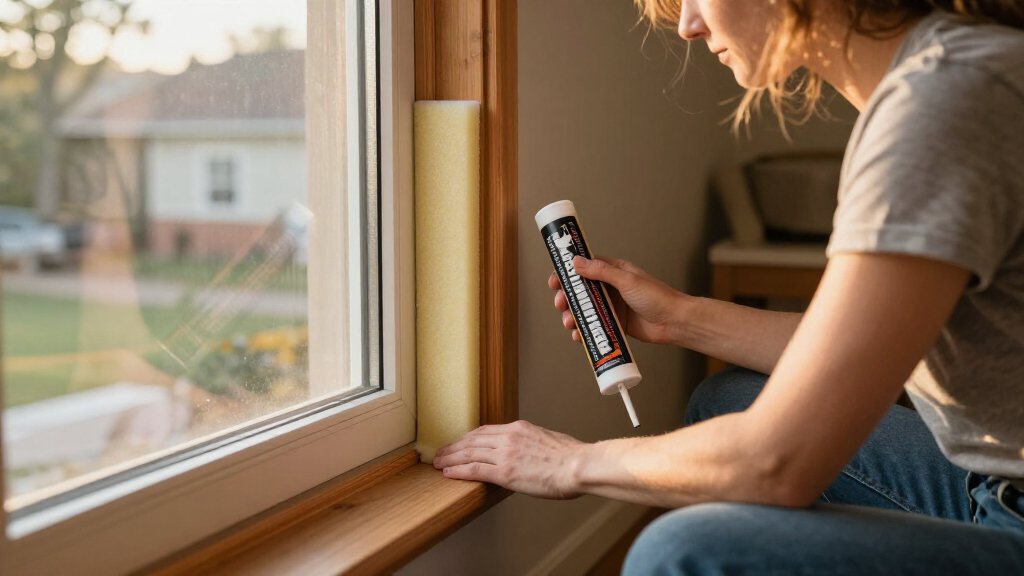

The best air sealing products depend on where air leaks and whether the gap needs a removable, flexible, or permanent seal. My best overall pick is PROSOCO AirDam for window and door perimeter sealing, while Hilti CF-116 suits targeted foam repairs and XFasten Transparent Window Weather Sealing Tape is a practical choice for covering window seams. The main tradeoffs are application precision, surface compatibility, and whether you need to reopen the area later. A door sweep, duct compound, and window tape each solve different problems, so matching the product to the leak matters more than choosing one sealant for every job. Read on for the full breakdown, selection criteria, and advice for choosing among these 11 options.

Get backup power and energy gear delivered free with Prime
- Fast, free delivery on millions of items
- Prime Video, Amazon Music and more included
- Member-only deals all year
Key Takeaways
- PROSOCO AirDam earns the overall role because this lineup includes several narrow-use products, but AirDam is aimed at sealing window and door perimeter gaps rather than only one small surface or component.
- Hilti CF-116 and 6-Pack Moldable Sealant Clay address irregular openings in different ways: foam fills cavity-like gaps, while moldable clay is suited to shaping around pipes and small penetrations.
- XFasten Transparent Window Weather Sealing Tape offers a much longer roll than the ECOHomes tape, while both target window sealing; the right pick depends on how much coverage you need and the surfaces involved.
- RectorSeal 81880 and M-D Air Conditioner Weatherseal are purpose-specific picks for duct-related sealing and seasonal AC gaps, not substitutes for sealing a whole window or door frame.
- The adhesive weatherstrips vary in form and coverage: Holikme is a wide door-seal option, M-D rubber tape offers a shorter rubber strip, and the EVA foam tape provides a long run for frame gaps.


More Details on Our Top Picks
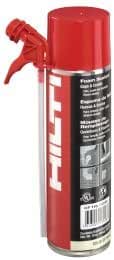
Hilti CF-116 Stop & Go Insulating Foam with Straw Applicator, 1 Can
For irregular gaps around windows, doors, pipes, and other penetrations, expanding foam can fill space that a flat tape cannot cover. Hilti CF-116 stands out for pairing a precision straw applicator with Stop & Go reuse, so a partially used can can serve later sealing tasks rather than being limited to one session. That makes it more adaptable for a sequence of small repairs than ECOHomes Window Weather Sealing Tape, which is better suited to straight, surface-level seams and quick application. The tradeoff is that foam requires more care in placement: it expands after application, and full curing takes several hours depending on conditions. I’d choose this for uneven openings, not for a removable seal across a window frame.
Pros:- Stop & Go design allows reuse across multiple applications
- Straw applicator supports more precise placement in narrow gaps
- Expands to fill openings that flat weather-sealing tape cannot cover
- Suitable for gaps around windows, doors, pipes, and other penetrations
Cons:- Full cure takes several hours and varies with conditions
- Expansion calls for controlled application around finished surfaces
Best for: DIYers sealing several irregular gaps around pipes, windows, or doors who want to reuse a partly used can.
Not ideal for: Renters or anyone seeking a cleanly removable seal on a flat frame; expanding foam is less suited to temporary surface sealing than ECOHomes tape.
- Brand:Hilti
- Model:CF-116
- Manufacturer part number:2005479
- Unit count:1 can
- Applicator:Straw applicator
- Reuse feature:Stop & Go technology
- Cure time:Tack-free in minutes; fully cured in several hours, depending on conditions
Our verdict“Choose Hilti CF-116 for reusable, targeted filling of irregular gaps rather than removable sealing on flat frames.”
ECOHomes Window Weather Sealing Tape (2 Inch Wide x 90 Ft, Clear)
Clear, cut-to-size tape is a straightforward choice for drafts around window and door frames or air-conditioning units, particularly when you want a surface seal rather than material that fills a cavity. ECOHomes supplies 90 feet, giving it more reach than the 49-foot Alien Draft Seal strips for repeated or longer runs. Its tool-free application also makes it less involved than Hilti CF-116 foam, which is aimed at filling irregular openings. The adhesive is described as staying put while removing cleanly, a useful balance for painted surfaces, but the stated 2-inch width may not cover broader gaps without overlapping. I’d pick it for visible, relatively even seams; it is less suited to deep holes or buyers who dislike a clear finish.
Pros:- 90-foot roll supports multiple or longer sealing runs
- Clear tape offers a less noticeable finish on compatible surfaces
- Tool-free application can be trimmed and pressed into place
- Designed to block drafts, moisture, dust, and outside noise
Cons:- Two-inch width may require overlapping on larger gaps
- Clear appearance may not suit every surface or aesthetic
- Surface tape is not a substitute for filling deep openings with foam
Best for: Homeowners sealing long, mostly even seams around windows, doors, or AC units who want a clear strip that can be cut to length.
Not ideal for: People dealing with deep or irregular openings, or anyone who needs a wider single strip for broad gaps.
- Brand:ECOHomes
- Model number:ECH-WWST-S01
- Dimensions:2 inches wide × 90 feet long
- Color:Clear
- Weight:5.92 ounces
- Material type:Weather stripping tape
- Applications:Windows, doors, and AC units
Our verdict“Choose ECOHomes for long, flat frame seams and a clear, removable-style tape approach, not for oversized or irregular gaps.”
Alien Draft Seal Adhesive Door and Window Seal, 49 Feet
Alien Draft Seal is the flexible-strip option for buyers who need to seal around several doors or windows and want material that can be cut to fit. Its silicone construction is described as resisting creasing and hardening, while the transparent, moisture-resistant strips suit a range of surfaces including glass, metal, painted wood, and plastic. Compared with ECOHomes Window Weather Sealing Tape, Alien comes as three narrower rolls with a combined 49 feet, making it more adaptable for separate runs but offering less total length. It also takes more measuring and cutting than a single continuous tape application, and adhesion may vary by surface. I’d choose it for flexible, custom-length strip sealing, not when a buyer needs a guaranteed fit on an untested finish.
Pros:- Flexible silicone is designed to resist creasing and hardening
- Three rolls allow separate applications around different openings
- Transparent, moisture-resistant material suits a range of listed surfaces
- Can be cut to length for custom placements
Cons:- Requires measuring and cutting before application
- Adhesion may vary across the listed surface types
- Provides 49 feet total, less than the 90-foot ECOHomes tape roll
Best for: DIYers sealing multiple doors or windows who want flexible silicone strips that can be cut to fit varied runs.
Not ideal for: Buyers who want the longest continuous tape supply or need predictable adhesion on a surface they cannot test first.
- Total length:49 feet
- Quantity:3 rolls
- Roll dimensions:1.4 inches wide × 16.34 feet long each
- Material:Silicone
- Color:Transparent
- Moisture resistance:Yes
- Application surfaces:Painted or powder-painted wood, glass, metal, ceramic, fiberglass, and plastic
Our verdict“Choose Alien Draft Seal for flexible, cut-to-fit strips across several compatible surfaces, provided you are willing to check adhesion and measure each run.”
6-Pack Moldable Sealant Clay for Pipes, Wall Holes, and Gaps
This six-pack of moldable sealant clay suits small openings where a hand-shaped material is easier to place than a strip or foam applicator. Kneading and shaping it requires no tools, and the individually packaged bags let a homeowner reserve material for separate pipe, wall-hole, or AC-opening jobs. Compared with RectorSeal 81880 Duct Seal Compound, this option is specified for indoor and outdoor use but does not list paintability, resistance details, or a temperature range; RectorSeal provides those application details and is identified as reusable. The clearest drawback here is time: the clay takes 3–5 days to fully harden, and it needs a clean, dry surface. I’d use it for modest hand-shaped repairs, not for a quick-turnaround seal.
Pros:- Can be kneaded and shaped by hand without tools
- Six separate bags support several small repair jobs
- Made for pipes, wall holes, AC openings, and household gaps
- Listed for indoor and outdoor use
Cons:- Takes 3–5 days to fully harden
- Requires a clean, dry application surface
- Product data does not specify paintability or a working temperature range
Best for: Homeowners who need small, hand-shaped seals around pipe connections or wall holes and can leave the repair undisturbed while it hardens.
Not ideal for: Anyone needing a fast-curing repair or detailed guidance on paintability and application temperature; the supplied data does not specify those properties.
- Brand:JSWKKGD
- Model:SDCV622625
- Pack count:6 bags
- Weight per bag:30 g
- Total weight:180 g
- Color:White
- Full hardening time:3–5 days
- Application:Knead, shape, and apply by hand to clean, dry surfaces
- Suitable use:Indoor and outdoor sealing
Our verdict“Choose this clay for small, custom-shaped openings when no-tool application matters more than a fast hardening time.”
RectorSeal 81880 Duct Seal Compound, 1 lb
RectorSeal 81880 is the most application-specific pick here: its moldable duct-seal putty is intended for HVAC/R, plumbing, electrical conduit and boxes, metal fabrication, and general-purpose sealing. It adheres to most clean, dry surfaces, forms an air- and water-tight seal, and can be painted immediately after application. That makes it more clearly specified for utility work than the JSWKKGD moldable clay, whose listed details focus on hand-shaped household gaps and a multi-day hardening period. RectorSeal is also reusable, but its application range is limited to 25°F–120°F, and clean, dry surfaces matter for adhesion. I’d favor this one for duct, conduit, or box work; for a simple flat window seam, ECOHomes tape is the more direct format.
Pros:- Forms an air- and water-tight seal
- Can be shaped by hand and reused
- Can be painted immediately after application
- Resists water, alcohol, and mild acids and bases
Cons:- Adheres best to clean, dry surfaces
- Specified application temperature range is 25°F to 120°F
- Putty format is less convenient than tape for long, straight frame seams
Best for: Homeowners or tradespeople sealing HVAC/R connections, electrical conduit, or utility boxes who want a reusable, paintable putty.
Not ideal for: Buyers sealing long, straight window-frame seams or working outside the specified 25°F–120°F application range.
- Brand:RectorSeal
- Model:81880
- Weight:1 lb
- Color and form:Gray putty
- Application temperature:25°F to 120°F
- Suitable applications:HVAC/R, plumbing, electrical conduit and boxes, metal fabrication, and general-purpose sealing
- Paintable:Yes; immediately after application
- Reusable:Yes
- Material notes:Asbestos-free and non-corrosive
Our verdict“Choose RectorSeal for reusable, paintable sealing around HVAC and utility components rather than extended window or door seams.”
33FT EVA Foam Weather Stripping Door Seal, Self-Adhesive Weatherstrip Tape for Door Frame, Window Gaps, Soundproof Insulation
The 33-foot EVA foam strip suits buyers who want one flexible material for several small sealing jobs, from door and window gaps to appliance edges or furniture corners. Its stated flexibility and length make it more adaptable than the M-D EPDM tape, which has defined dimensions and is aimed at narrower door and window gaps. The mesh-backed adhesive is presented as residue-free, a useful feature for surfaces where cleanup matters, though the supplied details do not specify which surfaces it bonds to best. I would choose it for irregular or varied household gaps, not a precisely sized opening: width and thickness are not provided, so fit is harder to predict. The description also makes conflicting material comparisons, so I would not rely on its claims of superiority over silicone or EPDM.
Pros:- 33 feet of tape can cover multiple small sealing jobs
- Flexible EVA foam is described as suitable for doors, windows, vehicles, and furniture corners
- Mesh adhesive is claimed to hold firmly while removing without residue
- Listed for thermal insulation, sound reduction, and impact protection
Cons:- No width or thickness is supplied, making gap fit difficult to judge
- The product description gives contradictory comparisons between EVA and other materials
- No temperature range or surface-specific bonding guidance is provided
Best for: Renters or homeowners sealing several kinds of modest household gaps who value a long, flexible strip and want to avoid adhesive residue.
Not ideal for: Buyers who need a specific compression fit or have a gap that requires a known strip thickness or width.
- Length:33 ft
- Material:100% EVA foam
- Adhesive:Upgraded mesh adhesive
- Installation:Self-adhesive
- Listed features:Waterproof, thermal insulation, soundproofing
- Applications:Doors, windows, cars, RVs, furniture corners, appliances
Our verdict“Choose this for varied household gaps when flexibility matters more than having precisely specified dimensions.”
M-D Building Products Self-Adhesive Rubber Weatherstrip Tape, White, 17 ft
For a buyer who can measure a narrow gap before shopping, the M-D EPDM rubber tape is the most clearly specified option in this group: its 3/8-inch width and 1/8-inch thickness make fit easier to plan than with the 33-foot EVA strip, whose dimensions are not supplied. EPDM stays flexible across a stated range from -40°F to 140°F, and the tape can be cut with scissors for window or door runs. That makes it a focused choice for small perimeter leaks, not a broad gap filler like the Holikme 1.8-inch strip. Its main installation constraint is practical but real: the surface must be clean and dry, and application should take place above 40°F. Buyers needing a wide seal or coverage beyond 17 feet may find its format limiting.
Pros:- Specified 3/8-inch width and 1/8-inch thickness help match it to small gaps
- EPDM remains flexible across the stated -40°F to 140°F range
- Self-adhesive tape can be cut to length with scissors
- Intended to help block drafts, moisture, dust, and insects
Cons:- The 17-foot roll may not cover longer runs or multiple large openings
- Installation requires a clean, dry surface and an application temperature above 40°F
- Narrow dimensions make it unsuitable for wide gaps that the Holikme strip can cover
Best for: Homeowners sealing measured, narrow gaps around windows or doors who want a defined EPDM profile and temperature range.
Not ideal for: Anyone covering broad or irregular openings, or installing in cold conditions below the stated application temperature.
- Material:EPDM rubber
- Color:White
- Length:17 ft
- Width:3/8 in
- Thickness:1/8 in
- Temperature range:-40°F to 140°F
- Installation:Self-adhesive; apply to a clean, dry surface above 40°F
- Model number:2618
Our verdict“Pick this EPDM tape for small, measured door and window gaps where its defined profile fits.”
Holikme Weather Stripping Door Seal, 1.8 in. Wide, 33 ft.
The 1.8-inch-wide Holikme strip is the clearest fit here for broad openings: it is listed for gaps up to 1.2 inches wide and comes as two rolls totaling 33 feet. That coverage separates it from the M-D EPDM tape, whose 3/8-inch width is better suited to narrow, measured gaps. Holikme’s flexible material can be cut to size and is also listed for shower doors, giving it more application range than a conventional door-and-window strip. Its broad format can block drafts, dust, insects, and light, but fit depends on careful placement rather than a defined compression profile. Surface preparation matters, and the supplied guidance notes that warming the backing may help adhesion. I would skip it for small gaps where a wide strip could look bulky.
Pros:- 1.8-inch width is suited to broader gaps than the M-D EPDM tape
- 33 feet supplied across two rolls
- Can be cut to size for doors, windows, and shower doors
- Flexible strip is listed to help block drafts, dust, insects, and light
Cons:- Adhesion depends on thorough surface cleaning and preparation
- The backing may need warming to improve bonding
- No material composition or thickness is specified, limiting fit comparisons
Best for: Homeowners with wide door or window gaps, or shower-door edges, who can prepare the surface carefully and trim the strip to fit.
Not ideal for: Buyers sealing narrow, unobtrusive gaps who need specified material composition or a precise thickness.
- Quantity:2 rolls
- Total length:33 ft
- Width:1.8 in
- Maximum gap width:1.2 in
- Applications:Doors, windows, shower doors
- Installation:Cut to size, peel backing, and press onto a clean surface
Our verdict“Choose Holikme when a wide, trimmable strip is needed for gaps up to 1.2 inches.”
XFasten Transparent Window Weather Sealing Tape, 2 in x 30 yd
The clear XFasten tape is the specialized choice for sealing window edges where an opaque foam strip would be conspicuous. Its 2-inch width and 30-yard roll provide long runs of surface-applied coverage, while its pressure-sensitive adhesive is designed to remove without residue. Compared with the Holikme foam strip, this tape is a better match for a relatively flat window surface than for filling a deep or uneven gap; the supplied information gives no gap-depth capacity. Weather resistance to moisture, UV exposure, and temperature extremes makes it suited to exposed window areas, and the anti-curling backing is intended to simplify application. The tradeoff is that it offers no stated foam cushioning or dimensional gap-filling, so buyers should choose it for a surface seal, not a bulky opening.
Pros:- Clear tape is less visually prominent on window surfaces
- 30-yard roll supports long sealing runs
- Designed to resist moisture, UV exposure, and temperature extremes
- Pressure-sensitive adhesive and anti-curling backing support application and clean removal
Cons:- No gap-depth capacity is supplied, so it cannot be matched to a specific opening
- Surface tape does not provide the cushioning or bulk of foam weatherstripping
Best for: Renters or homeowners sealing flat window seams who want a clear strip that is designed to remove cleanly.
Not ideal for: Buyers filling deep, irregular gaps or seeking a foam weatherstrip with a specified compression thickness.
- Width:2 in (50.8 mm)
- Length:30 yd (27.43 m)
- Color:Clear
- Adhesive:Pressure-sensitive
- Weather resistance:Temperature extremes, moisture, and UV exposure
- Removal:Designed to remove cleanly without residue
- Backing feature:Anti-curling
Our verdict“Choose XFasten for visible window seams where a clear, weather-resistant, removable surface seal matters most.”
M-D Building Products Air Conditioner Weatherseal, Gray, 42 in.
This M-D weatherseal has a narrow job, and that focus is its strength: open-cell foam sized for window air conditioner gaps can block drafts, dust, and outside noise around a unit without asking buyers to adapt a general-purpose door strip. The 42-inch length can be cut with scissors, and its stated maximum gap thickness of 1.25 inches gives a useful fit boundary. Compared with the XFasten clear tape, this foam is better for filling a space around hardware; XFasten is more suited to flat window seams and offers a much longer roll. The limitation is equally clear: this is a short, single-purpose piece, and the product data warns that prolonged sun exposure may degrade the foam. It is not a substitute for sealing an entire window perimeter.
Pros:- Open-cell foam is intended to block drafts, dust, and outside noise around window AC units
- 42-inch length can be trimmed with standard scissors
- Stated maximum gap thickness of 1.25 inches helps define fit
- Neutral gray color can blend with many window frames
Cons:- Limited to gaps no thicker than 1.25 inches
- Short length is aimed at an AC unit rather than long perimeter runs
- Prolonged sun exposure may degrade the foam
Best for: Homeowners fitting a window air conditioner who need a cut-to-length foam seal for gaps no thicker than 1.25 inches.
Not ideal for: Buyers sealing long window or door runs, or openings wider than the stated maximum gap thickness.
- Material:Open-cell foam
- Color:Gray
- Dimensions:42 in L x 1.25 in W x 1.25 in H
- Maximum gap thickness:1.25 in
- Installation:Cut to length with scissors
- Model number:2006
Our verdict“Pick this purpose-built foam when sealing a window AC unit, not when weatherstripping an entire door or window.”
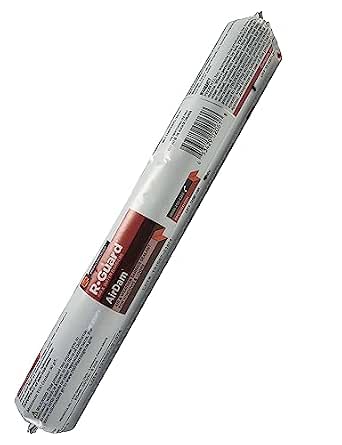
PROSOCO AirDam Air and Weather Barrier Sealant for Windows and Doors
I’d choose PROSOCO AirDam when the sealing job is a window or door perimeter and the goal is an air and weather barrier, rather than a removable strip for a moving sash or door. Its stated purpose is more focused than ECOHomes Window Weather Sealing Tape, which is a tape option, and it targets a different kind of gap than the Hilti CF-116 insulating foam. That makes AirDam a fit for buyers seeking a dedicated sealant for openings, not a general-purpose weatherstrip.
The product data does not specify application details, compatibility, curing behavior, or package size, so I would verify those against the project before choosing it. Compared with adhesive weatherstripping, a sealant may be less convenient to remove or reposition. I’d skip it for small, routine door-edge drafts where a strip is the simpler fix.
Pros:- Designed specifically for use around windows and doors
- Intended to provide both an air barrier and weather barrier
- Offers a sealant alternative to tape and adhesive weatherstripping
- Focused use may suit perimeter sealing better than products intended for door sweeps or general gap filling
Cons:- Available product data does not state application method or curing time
- Compatibility with specific frame materials and finishes is not provided
- Less suited than weatherstripping tape for a removable or frequently adjusted seal
Best for: Homeowners and installers sealing around window and door openings who specifically need an air and weather barrier sealant.
Not ideal for: Renters or DIYers seeking a removable, adjustable strip for door edges, or buyers who need confirmed application and curing specifications before purchase.
- Brand:PROSOCO
- Product type:Air and weather barrier sealant
- Intended use:Windows and doors
- Stated function:Creates an air and weather barrier
- Form:Sealant
- Application area:Window and door openings
Our verdict“Choose PROSOCO AirDam for a dedicated window or door perimeter barrier, but verify application details and material compatibility before committing to the job.”

How We Picked
I ranked these products by how directly they address common air leaks, how clearly their format suits the intended repair, and how useful they are across the situations named in their descriptions. I gave more weight to options with a defined application—such as window and door perimeter sealant, duct compound, or AC weatherseal—than to products that could be mistaken for general-purpose fixes. I also considered practical factors such as coverage, application control, flexibility, and whether a repair is likely to be temporary or permanent.
The ranking reflects differences in scope, not a claim that one material is right for every gap. PROSOCO AirDam leads as the broadest fit for window and door perimeter sealing; Hilti CF-116 follows for localized cavity filling, while tapes and weatherstrips rank according to their specific surface and coverage roles. Specialized products remain useful lower in the list when they match a particular task, but buyers should not select them outside that use just because they are designed to seal air.
Factors to Consider When Choosing Best Air Sealing Products
Choosing an air seal starts with diagnosing the leak, not picking a material by name. These products span liquid sealant, expanding foam, compounds, tape, and compressible strips; each works differently when a gap moves, gets wet, or needs access later. The following points help avoid mismatched repairs and unnecessary rework.
Match the Material to the Gap
Small, uneven openings around pipes or framing may need a material that can fill or conform to an irregular shape, while a straight door jamb often suits compressible weatherstripping. Foam can fill a cavity but may expand beyond the intended boundary, so it calls for careful placement and a clear plan for trimming or finishing. Tape is better suited to a clean, accessible seam than a deep void. Before buying, check whether the product is designed for the material and location you are sealing. A product that seals one kind of opening well may perform poorly when pressed into a different job.
Decide Whether the Seal Must Be Removable
Some repairs are seasonal or temporary, such as sealing around an air conditioner that will be removed later. Other gaps are part of a permanent building envelope and call for a sealant intended to remain in place. Adhesive tapes and strips can be easier to remove than cured foam or sealant, though removal may still affect paint or leave residue. Think ahead about maintenance, access, and future replacement before applying a permanent product. If the area needs regular inspection, avoid sealing it in a way that blocks access.
Check Surface Compatibility and Preparation
Adhesive products depend on a clean, dry surface and may not bond reliably to dusty, damp, oily, or textured areas. Even a suitable tape can fail if the frame is dirty or the surface coating is loose. Sealants also have material and application limits, so check the package directions for the surfaces and conditions they support. Test an inconspicuous spot when appearance or paint damage is a concern. Skipping preparation can make a good product seem ineffective and lead to repeated repairs.
Measure Coverage and Gap Size Before Buying
Measure the length of the seam and estimate the gap depth before choosing between a short strip, a long roll, or a can of foam. A wide strip may cover more area, but it can be difficult to fit neatly into a narrow channel or around corners. Long rolls reduce interruptions on extended seams, while multiple short sections can be easier to handle on small repairs. For foam and sealants, the amount needed depends on the size and shape of the opening, not just the visible length. Allow for a small margin, but do not overfill a gap with a material that expands or spreads.
Account for Movement, Weather, and Exposure
Doors and windows move, and their seals may be exposed to temperature changes, moisture, or sunlight. A rigid seal in a moving joint can crack or pull away, while a compressible strip needs enough contact to close the gap without preventing the door or window from operating. Outdoor or exposed repairs call for products rated for those conditions; indoor-use assumptions can lead to early failure. Consider whether the leak is on the interior, exterior, or both sides of an assembly. Follow product guidance rather than layering unrelated materials in an attempt to compensate for a poor fit.
Know When Air Sealing Is Not the Whole Repair
Persistent drafts can come from a damaged frame, poorly fitted door, missing insulation, or a leak hidden inside a wall, not just an accessible seam. Sealing the visible opening may reduce airflow without correcting the underlying defect. Check for water intrusion, soft or deteriorated materials, and signs that the opening is shifting before covering it. If a repair involves combustion appliances, ventilation, or concealed building components, take care not to block required airflow or drainage. A suitable product cannot make an unsafe or damaged assembly sound.
Frequently Asked Questions
Can I use one air sealing product for my windows, doors, and duct gaps?
Usually not, because those locations have different shapes, movement, and exposure. A compressible strip can help close a door-frame gap but is not a replacement for a compound intended for duct sealing. Window tape may cover a seam, while perimeter sealant is meant for a different kind of joint. Start by identifying the exact leak and checking the product’s stated use and surface compatibility. Using one material everywhere can create poor adhesion, interfere with operation, or make later access harder.
Should I choose foam or weatherstripping for a drafty door?
For a gap between a door and its frame, weatherstripping is usually the more relevant starting point because it compresses as the door closes. Foam is generally intended to fill an opening that is not part of the door’s moving contact surface. Applying expanding foam where the door needs to swing or latch can interfere with operation. Check the gap along the full perimeter, since the top, sides, and threshold may need different treatments. If the door is warped or badly aligned, a seal alone may not solve the draft.
Is window sealing tape a substitute for permanent window sealant?
Tape and sealant serve different repair needs, so one is not automatically a substitute for the other. Tape can be useful for covering a suitable seam where a surface-applied strip is appropriate, while a perimeter sealant is intended for a joint designed to receive that material. Tape may be easier to remove, but adhesion and appearance depend on the surface and installation. A permanent sealant may be a poor choice if the area needs to open or be serviced later. Check the window design and product directions before covering drainage paths or moving parts.
How do I stop an air conditioner from leaking drafts when it is installed in a window?
First identify whether the leak is around the unit, between the unit and frame, or through a separate section of the window. A purpose-made AC weatherseal can suit a defined gap around the appliance, while a longer window tape or general sealant may not fit the installation or seasonal removal needs. Keep the unit’s drainage and ventilation features unobstructed. Measure the opening and check what materials contact the seal before choosing a product. If the unit shifts or the frame is damaged, correct that fit issue instead of relying on extra seal material.
When should I choose duct seal compound instead of tape or foam?
A duct seal compound is the more relevant choice when the repair is on a duct connection or penetration and the product directions support that application. Tape designed for windows and foam intended for cavities may not be suitable for duct surfaces or service conditions. Inspect the joint and confirm that the compound is compatible with the duct material before applying it. Keep the repair accessible if the connection may need inspection or maintenance. For damaged ductwork or a leak that remains after sealing the joint, the underlying duct section may need repair rather than another layer of sealant.
Conclusion
For most buyers tackling a window or door perimeter gap, I would start with PROSOCO AirDam as the best overall fit in this lineup. For a more targeted cavity repair, Hilti CF-116 is the stronger match; for beginners sealing a straightforward window seam, the transparent tape options offer a more direct application format. My best value choice for extended window coverage is XFasten Transparent Window Weather Sealing Tape, while PROSOCO AirDam is also the premium pick for buyers whose repair specifically calls for a window-and-door barrier sealant. For specific jobs, choose RectorSeal 81880 for duct sealing, M-D Air Conditioner Weatherseal for AC gaps, and moldable sealant clay for pipe penetrations. Measure first, confirm the surface and intended use, then choose the least complicated product that fits the repair.
Halloween Picks
halloween
As an affiliate, we earn on qualifying purchases.