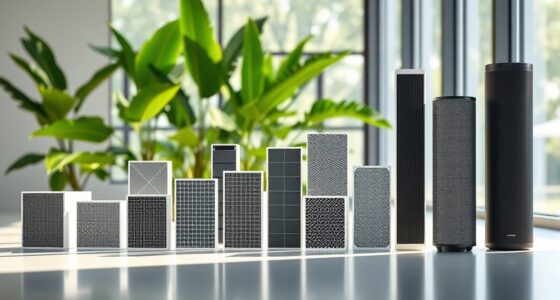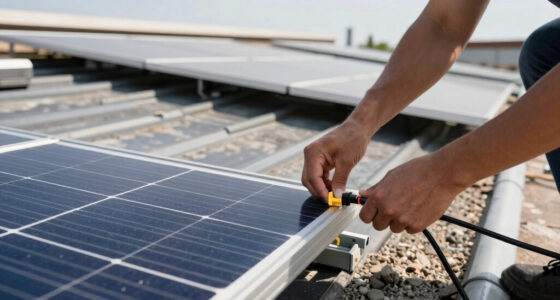
For anyone seeking reliable backup power powered by the sun, solar backup power stations offer a clean, versatile solution. The best options balance capacity, portability, and charging speed, but tradeoffs exist—higher capacity units tend to be heavier and more expensive, while compact models may lack long-term power. The top pick, the Anker SOLIX C1000, stands out for its balance of power and portability, but the EcoFlow DELTA 2 offers a larger capacity for home backup at a higher price. Continue reading for a detailed comparison that helps you find the right fit for your backup power needs.
Key Takeaways
- The most powerful units offer greater capacity but tend to be bulkier and more expensive, making them better suited for home backup than portability.
- LiFePO4 batteries provide longer lifespan and better safety, which is a key factor in choosing a durable solar generator.
- Fast solar charging capabilities are increasingly common but vary significantly; higher wattage panels reduce recharge time.
- Budget models often sacrifice capacity or speed, but some provide reliable performance for light use and emergency situations.
- Product versatility, including AC, USB-C, and carport options, can greatly expand how you use your solar backup station.
| Jackery Solar Generator 1000 v2 with 200W Solar Panel and LiFePO4 Battery |  | Best Overall for Power and Portability | Capacity: 1,070Wh | AC Output: 1,500W (3,000W surge) | Battery Type: LiFePO4 | VIEW LATEST PRICE | See Our Full Breakdown |
| Anker SOLIX C1000 Portable Power Station, 1800W Solar Generator with LiFePO4 Battery for Home & Outdoor Use |  | Best for Fast Charging and High Output | Wattage: 1800W (Peak 2400W) | Battery Type: LiFePO4 | Capacity: 1056Wh | VIEW LATEST PRICE | See Our Full Breakdown |
| Jackery Explorer 2000 v2 Portable Power Station | 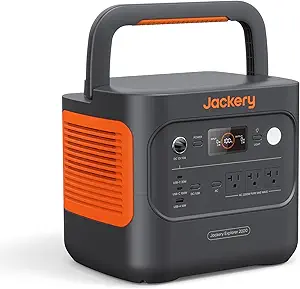 | Best for High Capacity and Quiet Operation | Capacity: 2042Wh | Output Wattage: 2200W | Weight: 39.5 lbs | VIEW LATEST PRICE | See Our Full Breakdown |
| EcoFlow DELTA 2 Portable Power Station, 1024Wh LFP Battery, 1800W AC/100W USB-C Output for Home Backup, Camping & RVs |  | Best for Expandable Capacity and Fast Charging | Capacity: 1024Wh | Output Wattage: 1800W | Battery Type: LiFePO4 | VIEW LATEST PRICE | See Our Full Breakdown |
| 300W Portable Solar Generator with 60W Foldable Panel – Orange | 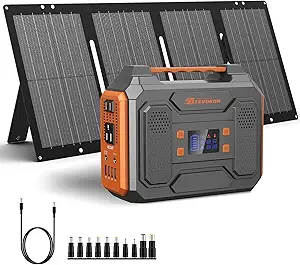 | Best for Compact Camping and Basic Off-Grid Power | Power Output: 300W AC | Battery Capacity: 280Wh | Solar Panel: 60W foldable | VIEW LATEST PRICE | See Our Full Breakdown |
| Jackery HomePower 3600 Plus Portable Power Station |  | Best Overall for Heavy-Duty Home Backup | Wattage: 3600W (7200W parallel) | Battery Capacity: 3584Wh expandable to 21kWh | Voltage: 120V/240V (AC) | VIEW LATEST PRICE | See Our Full Breakdown |
| Jackery HomePower 3000 Portable Power Station with Dual Solar Panels |  | Best for Portable High-Capacity Power with Solar Flexibility | Battery Capacity: 3072Wh (LiFePO4) | Output Wattage: 3600W (7200W surge) | Weight: 59.52 lbs | VIEW LATEST PRICE | See Our Full Breakdown |
| OUPES 2000W Solar Generator with LiFePO4 Battery and Included Panel |  | Best for Fast Charging and Expandable Capacity | Battery Capacity: 1024Wh, expandable to 5120Wh | Output Wattage: 2000W (4500W surge) | Fast Charge Time: 36 minutes via AC | VIEW LATEST PRICE | See Our Full Breakdown |
| Anker SOLIX C2000 Gen 2 Portable Power Station, 2400W (Peak 4000W) |  | Best for Rapid Charging and High Power for Home Backup | Battery Capacity: 2048Wh | Peak Power Output: 4000W | Recharge Time: 58 minutes | VIEW LATEST PRICE | See Our Full Breakdown |
| BLUETTI AC200L Portable Power Station |  | Best for Versatile Power with Large Capacity Expansion | Battery Capacity: 2048Wh (expandable to 8192Wh) | Output Wattage: 2400W (3600W peak) | Charging Time: 45 minutes (0-80%) | VIEW LATEST PRICE | See Our Full Breakdown |
| Anker Portable Power Station SOLIX C300, 288Wh LiFePO4 Backup Battery with Solar Charging |  | Best Overall for Compact, Reliable Backup Power | Battery Capacity: 288Wh | Surge Power: 600W | Charging Ports: 3x AC (300W total), 1x Car Socket, 2x USB-C (140W), 1x USB-C (15W), 1x USB-A | VIEW LATEST PRICE | See Our Full Breakdown |
| Anker SOLIX C1000 Gen 2 Portable Power Station |  | Best for High-Capacity, Fast Recharging Needs | Output Power: 2,000W (3,000W peak) | Battery Capacity: 1,024Wh | Recharge Time (AC): 49 minutes | VIEW LATEST PRICE | See Our Full Breakdown |
| Jackery Explorer 300 Portable Power Station |  | Best for Lightweight, Basic Backup Power | Weight: 7.5 lbs | Battery Capacity: 292Wh | Ports: 2 AC, 1 USB-C PD (100W), 2 USB-A, 1 car port | VIEW LATEST PRICE | See Our Full Breakdown |
More Details on Our Top Picks
Jackery Solar Generator 1000 v2 with 200W Solar Panel and LiFePO4 Battery
The Jackery Solar Generator 1000 v2 stands out for its robust 1,500W AC output, making it suitable for running larger appliances like refrigerators or small air conditioners. Its LiFePO4 battery offers over 4,000 cycles, ensuring a decade of reliable use—far surpassing traditional lithium options. Compared with the EcoFlow DELTA 2, it provides comparable power but is lighter and more compact, though the components ship separately, adding to the initial setup effort. Its emergency charge feature, managed via app, is convenient but requires setup each time, which might frustrate users seeking quick access during outages. While it doesn’t include power adapters for USB-C, its multiple charging methods (solar, wall, car) promote versatility. This model is ideal for those wanting high capacity, long-term durability, and portability for outdoor adventures or emergency backup, but less so for users who prefer all-in-one packages or quick, plug-and-play setups.
Pros:- High 1,500W continuous power output suitable for major appliances
- LiFePO4 chemistry offers over 4,000 cycles, ensuring long-term durability
- Compact, lightweight design with foldable handle for portability
Cons:- Components ship separately, requiring additional setup time
- Emergency charging via app is inconvenient for quick access
Best for: Outdoor enthusiasts and families needing reliable, portable power with long battery life for extended use.
Not ideal for: Users seeking an all-in-one package with included accessories or minimal setup for emergency power.
- Capacity:1,070Wh
- AC Output:1,500W (3,000W surge)
- Battery Type:LiFePO4
- Weight:23.8 lbs
- Charging Time (Emergency):1 hour
- Ports:2 USB-C, 3 AC, 1 DC car port
Bottom line: This is best suited for those prioritizing power, longevity, and portability in outdoor or backup scenarios.
Anker SOLIX C1000 Portable Power Station, 1800W Solar Generator with LiFePO4 Battery for Home & Outdoor Use
The Anker SOLIX C1000 makes a compelling case for quick recharge times and high power support, with 1800W output and the ability to reach 80% charge in just 43 minutes—much faster than the Jackery Explorer 2000 v2. Its 1056Wh LiFePO4 battery is designed for 10,000+ cycles, promising decade-long reliability. Unlike the EcoFlow DELTA 2, which offers similar capacity, the C1000’s faster charging and more compact size make it attractive for users needing rapid turnaround between uses. Its peak power of 2400W supports most household appliances, but the solar panel isn’t included, which could add to the initial cost. The high price point reflects its advanced charge technology and high capacity, making it less ideal for budget-conscious buyers. This pick makes the most sense for those who prioritize speed, high output, and long-lasting batteries for versatile outdoor or backup needs.
Pros:- Ultra-fast charging (80% in 43 minutes) for rapid turnaround
- High peak power of 2400W supports most appliances
- Long-lasting 10-year lifespan with 3,000 cycles
Cons:- Solar panel not included, increasing total setup cost
- Higher price compared to similar high-capacity units
Best for: Homeowners and outdoor users who want quick recharging and high power for demanding appliances.
Not ideal for: Budget shoppers or those seeking an all-in-one package with included solar panels and accessories.
- Wattage:1800W (Peak 2400W)
- Battery Type:LiFePO4
- Capacity:1056Wh
- Charging Time (80%):43 minutes
- Dimensions:15% smaller than 1kWh units
Bottom line: Ideal for users needing rapid charging, high power, and durability for serious backup or outdoor use.
Jackery Explorer 2000 v2 Portable Power Station
The Jackery Explorer 2000 v2 offers a substantial 2042Wh capacity and 2200W output, making it suitable for serious backup needs or extended outdoor use. Its lightweight design at 39.5 lbs and quiet operation (less than 30dB) distinguish it from bulkier, noisier models like the EcoFlow DELTA 2. The fast AC recharge (80% in 66 minutes) and 10-year battery lifespan with LiFePO4 cells provide long-term reliability. However, solar panels are sold separately, adding to the overall cost, and its limited runtime at full load—just over an hour—may be a concern for prolonged outages. The higher price reflects its premium features, making it less attractive for casual users. This model is best for those needing a high-capacity, quiet power station for backup or camping, willing to invest in performance and durability.
Pros:- Large 2042Wh capacity for extended use
- Quiet operation at under 30dB
- Lightweight and compact for its capacity
Cons:- Solar panels are sold separately, raising the total cost
- Limited runtime at full load
Best for: Homeowners and campers seeking a high-capacity, quiet power solution for emergency backup or extended outdoor stays.
Not ideal for: Budget-conscious buyers or those seeking an all-in-one kit with included solar panels.
- Capacity:2042Wh
- Output Wattage:2200W
- Weight:39.5 lbs
- Battery Type:LiFePO4
- Charging Time (AC):66 minutes
Bottom line: Best suited for users needing high capacity, quiet operation, and portability for backup or outdoor activities.
EcoFlow DELTA 2 Portable Power Station, 1024Wh LFP Battery, 1800W AC/100W USB-C Output for Home Backup, Camping & RVs
The EcoFlow DELTA 2 provides a well-rounded option with a 1024Wh LFP battery, supporting 1800W continuous power and an impressive 7x faster charging rate—reaching 80% in just 50 minutes. Its ability to expand capacity up to 3kWh with additional batteries makes it suitable for long-term backup or off-grid living. While its price is higher than entry-level models, it offers more outlets (15 total) and supports solar input up to 500W, making it versatile for camping, RVs, or home use. Compared to the Jackery Explorer 2000, it features faster recharging and modular expansion, but the smaller capacity may limit runtime for larger appliances. It’s less suited for those needing maximum capacity without additional investment in extra batteries or panels.
Pros:- 7x faster AC charging (0-80% in 50 minutes)
- Expandable capacity up to 3kWh
- Supports solar input up to 500W
Cons:- Additional batteries or panels are needed for expansion
- Higher initial cost for full setup
Best for: RVers and homeowners wanting a scalable, fast-charging power station for extended backup or off-grid use.
Not ideal for: Budget buyers or those seeking a fully included, all-in-one solution without expansion options.
- Capacity:1024Wh
- Output Wattage:1800W
- Battery Type:LiFePO4
- Charge Time (80%):50 minutes
- Total Outlets:15
Bottom line: Designed for users wanting quick, expandable power for backup or off-grid scenarios with room to grow.
300W Portable Solar Generator with 60W Foldable Panel – Orange
The 300W Portable Solar Generator offers a simple, lightweight power source ideal for camping or short-term off-grid use. Its 280Wh battery supplies enough power for charging smartphones, laptops, and small devices with its 300W AC output. The included 60W foldable solar panel enables quick recharging in sunny conditions, making it well-suited for quick outdoor trips. Unlike larger units such as the Jackery Explorer 2000 or EcoFlow DELTA 2, it can’t power high-wattage appliances or run overnight for extended periods. Its non-waterproof junction box and potential battery degradation if left unused long-term should be considered for off-grid use. This model fits users who prioritize portability over capacity, particularly for short camping trips or emergency kit stockpiles.
Pros:- Lightweight and portable with foldable solar panel
- Supports multiple charging options including AC, car, and solar
- Safety features via BMS for overheat, overload, and short circuit protection
Cons:- Limited to devices under 300W, unsuitable for larger appliances
- Battery performance may degrade if stored long-term without use
Best for: Campers and outdoor adventurers needing a lightweight, easy-to-carry power source for basic device charging.
Not ideal for: Users requiring high wattage capacity or long-duration backup for home appliances or multiple devices.
- Power Output:300W AC
- Battery Capacity:280Wh
- Solar Panel:60W foldable
- Charging Methods:AC, car, solar
- Ports:2 AC, 3 USB-A, 1 USB-C, 1 DC
Bottom line: Best suited for lightweight, short-term outdoor power needs and quick device recharging during camping trips.
Jackery HomePower 3600 Plus Portable Power Station
The Jackery HomePower 3600 Plus stands out for its impressive 3600W continuous output, capable of powering heavy appliances like dryers and space heaters, which makes it a top choice for whole-home backup during outages. Compared with the BLUETTI AC200L, it offers a higher wattage and expandable battery capacity up to 21kWh, ensuring longer runtime. However, at 77.16 lbs, it’s less portable despite the luggage-style design, and it lacks smart home integration, which might be a downside for tech-savvy users. Its rapid charging options—2 hours via AC+DC—mean less downtime, but the weight could be a hurdle for frequent relocation. This pick makes sense for homeowners seeking a powerful, expandable backup that can handle large loads, with the understanding that portability is limited.
Pros:- High continuous power output to run large appliances
- Expandable battery capacity for extended backup periods
- Fast hybrid charging in just 2 hours
Cons:- Heavy at over 77 pounds, making it less portable
- No smart home or Wi-Fi connectivity features
Best for: Large households or small businesses needing reliable, high-capacity home backup
Not ideal for: Users who prioritize portability or lightweight solutions for outdoor use
- Wattage:3600W (7200W parallel)
- Battery Capacity:3584Wh expandable to 21kWh
- Voltage:120V/240V (AC)
- Weight:77.16 lbs
- Dimensions:15.2″L x 12.2″W x 19.3″H
- Charging Time:2 hours (AC+DC hybrid), 4 hours (solar)
- Battery Life:6,000 cycles / 10-year lifespan
- Power Outlets:2
Bottom line: This model is ideal for homeowners who need a robust, expandable backup system despite its weight and size.
Jackery HomePower 3000 Portable Power Station with Dual Solar Panels
The Jackery HomePower 3000 offers a solid 3600W peak output and a 3072Wh LiFePO4 battery, making it suitable for powering essentials like fridges and lights during outages or outdoor adventures. Its 1.7-hour hybrid charging—fast for its capacity—allows quick replenishment, especially when using solar panels, which are sold separately. Compared to the Anker SOLIX C2000, it provides a slightly higher capacity and built-in UPS, but at nearly 60 lbs, it remains relatively heavy for frequent transport. Its rugged design and multiple ports support diverse device needs, yet the extra cost for solar panels and batteries can add up. This makes sense for users seeking a portable yet high-capacity system that balances speed and versatility, as long as they are prepared for additional investment.
Pros:- High surge power for heavy appliances
- Fast hybrid charging in under 2 hours
- Includes built-in UPS for seamless power transfer
Cons:- Relatively heavy at nearly 60 lbs
- Solar panels and additional batteries are sold separately
Best for: Campers, small off-grid setups, or backup for critical home appliances
Not ideal for: People seeking an all-in-one solution without extra purchases or those prioritizing ultra-lightweight gear
- Battery Capacity:3072Wh (LiFePO4)
- Output Wattage:3600W (7200W surge)
- Weight:59.52 lbs
- Dimensions:16″L x 13″W x 20″H
- Charging Time:1.7 hours (hybrid AC/DC)
- Ports:4 AC, USB-C, USB-A, DC, RV
Bottom line: This unit suits those needing portable, high-capacity backup with flexible solar charging, provided they’re open to extra costs.
OUPES 2000W Solar Generator with LiFePO4 Battery and Included Panel
The OUPES 2000W Solar Generator provides a 1024Wh battery that’s expandable to 5120Wh, making it a flexible option for heavy-duty portable power. Its rapid 36-minute AC recharge—faster than many competitors—ensures minimal downtime, and the included 100W solar panel makes it a practical choice for off-grid use. Compared with the Anker SOLIX C1000, it offers a higher maximum capacity and quick recharge, but at 27.8 lbs, it remains relatively portable. The smart app and safety features add convenience, yet the high price and reliance on solar quality can limit its appeal to budget-conscious buyers. It suits those seeking fast, expandable power for outdoor or emergency needs, especially when quick turnaround time is essential.
Pros:- Fast 36-minute recharge from AC power
- Expandable capacity up to 5120Wh
- Includes solar panel and app control
Cons:- Relatively heavy at 27.8 lbs
- High price point for initial capacity
Best for: Outdoor enthusiasts, emergency preparedness, or small-scale off-grid users
Not ideal for: Budget shoppers or users seeking ultra-lightweight gear for frequent transport
- Battery Capacity:1024Wh, expandable to 5120Wh
- Output Wattage:2000W (4500W surge)
- Fast Charge Time:36 minutes via AC
- Weight:27.8 lbs
- Ports:4 AC, USB-C, USB-A, DC, Car
Bottom line: This generator excels where rapid recharge and capacity flexibility are priorities, with some tradeoffs in weight and cost.
Anker SOLIX C2000 Gen 2 Portable Power Station, 2400W (Peak 4000W)
The Anker SOLIX C2000 Gen 2 offers a balanced mix of high power—2400W continuous and 4000W peak—and fast recharge in just 58 minutes, making it a strong contender for both home backup and outdoor use. Its LiFePO4 battery can be expanded to 4kWh with an additional unit, giving flexibility for longer outages. Compared to the Jackery HomePower 3600 Plus, it’s lighter at 41.7 lbs and supports six charging methods, including car and solar, though its capacity still requires extra batteries for maximum runtime. The higher peak power supports multiple appliances, but the need for accessory batteries increases overall cost. This is ideal for users who want fast, reliable backup with room for scalability, despite the higher initial investment.
Pros:- Fast recharge in under 1 hour
- High peak power supports multiple appliances
- Expandable to 4kWh with optional battery
Cons:- Requires purchase of additional battery for maximum capacity
- Additional batteries add to overall cost
Best for: Homeowners needing quick, reliable backup with room to expand capacity
Not ideal for: Budget-conscious buyers or those seeking a single, all-in-one unit without additional batteries
- Battery Capacity:2048Wh
- Peak Power Output:4000W
- Recharge Time:58 minutes
- Weight:41.7 lbs
- Dimensions:18.1 x 9.8 x 10.1 inches
Bottom line: This unit provides rapid charging and high power suitable for home backup, with scalability as a key benefit despite added costs.
BLUETTI AC200L Portable Power Station
The BLUETTI AC200L is a versatile power station that supports an impressive 2400W output, expandable up to 8192Wh with additional batteries, making it suitable for both emergency backup and camping. Its fast charging—0-80% in just 45 minutes—speeds up replenishment, especially when paired with solar input. Compared to the OUPES, it offers greater expandability and more ports, including a 30A RV outlet, ideal for RVers and larger setups. Its main drawback is the higher price point, and the need for extra battery packs to reach maximum capacity can further increase costs. This model makes sense for users seeking a robust, expandable power solution with fast recharge times for diverse needs.
Pros:- High output for powering multiple devices simultaneously
- Expandable capacity up to 8192Wh
- Fast charging with solar compatibility
Cons:- High cost for full expandability
- Requires additional batteries for maximum capacity
Best for: RVers, outdoor enthusiasts, or homeowners needing scalable power for multiple devices
Not ideal for: Budget shoppers or those needing a lightweight, portable unit for frequent carrying
- Battery Capacity:2048Wh (expandable to 8192Wh)
- Output Wattage:2400W (3600W peak)
- Charging Time:45 minutes (0-80%)
- Ports:13 including RV, USB, AC
- Weight:Not specified
Bottom line: This station is well-suited for those requiring large, adaptable power capacity with fast recharge, despite a higher price and added battery needs.
Anker Portable Power Station SOLIX C300, 288Wh LiFePO4 Backup Battery with Solar Charging
The Anker SOLIX C300 stands out for delivering a balanced combination of portability, durability, and versatility. Its 288Wh capacity and 300W continuous output make it suitable for most camping or emergency needs, especially when compared to larger options like the Anker SOLIX C1000, which offers much higher capacity but is bulkier and pricier. This model’s fast 140W two-way USB-C charging supports quick device replenishment, while the LiFePO4 battery promises a decade of reliable operation. The main tradeoff is that it requires an extra purchase of solar panels for true off-grid use, and its 300W power limit may restrict high-wattage appliances. Still, for users prioritizing portability and a long-lasting battery, this is a well-rounded choice.
Pros:- High-capacity lithium iron phosphate (LiFePO4) battery with a 10-year lifespan
- Fast 140W two-way USB-C charging ports for quick device recharge
- Multiple output options including AC, USB-C, and car socket for versatility
- Solar-compatible with optional panels for off-grid use
Cons:- Requires separate purchase of solar panel for solar recharging
- No built-in handle, which can make portability less convenient
- Limited to 300W continuous output, unsuitable for high-wattage appliances
Best for: Outdoor enthusiasts or small households seeking a portable, reliable backup with solar compatibility.
Not ideal for: Homeowners needing to run high-power appliances or large appliances during outages, as the 300W limit may be restrictive.
- Battery Capacity:288Wh
- Surge Power:600W
- Charging Ports:3x AC (300W total), 1x Car Socket, 2x USB-C (140W), 1x USB-C (15W), 1x USB-A
- Battery Type:LiFePO4
- Warranty:5 years
- Noise Level:25dB (at 3.3 ft)
- Battery Life:10 years / 3,000 cycles
Bottom line: This pick is best for those seeking a durable, portable power station with long-term battery life and moderate capacity.
Anker SOLIX C1000 Gen 2 Portable Power Station
The Anker SOLIX C1000 Gen 2 makes an impression with its impressive 2,000W output and 1,024Wh capacity, making it a strong choice for users who need to power multiple devices or small appliances simultaneously. Unlike the Jackery Explorer 300, which is ultra-lightweight but offers less power and capacity, the C1000 is designed for more demanding scenarios, such as RV trips or backup for small home essentials. Its ability to recharge in just 49 minutes via AC or 1.8 hours via solar is a game-changer for those who value rapid turnaround. However, this power and speed come with a higher price tag and the need for an additional solar panel. It’s best suited for those who require serious power in a portable form but are willing to invest more upfront.
Pros:- Ultra-fast recharging via AC (49 minutes) and solar (1.8 hours)
- High continuous power output of 2,000W with 3,000W peak capacity
- Large 1,024Wh LiFePO4 battery with 10-year lifespan
- Smart app control for convenient energy management
Cons:- Higher price point relative to smaller or less powerful models
- Requires optional solar panel for off-grid recharging
- Larger size compared to ultra-lightweight units, though still portable
Best for: Campers, RV owners, or small households needing high power and quick recharge times for multiple devices.
Not ideal for: Budget-conscious users or those with minimal portable power needs, as this model commands a higher price and complexity.
- Output Power:2,000W (3,000W peak)
- Battery Capacity:1,024Wh
- Recharge Time (AC):49 minutes
- Recharge Time (Solar):1.8 hours
- Portability:14% smaller and 11% lighter than similar models
- Battery Life:10 years (80% capacity after 4,000 cycles)
Bottom line: This model is perfect for users who need serious power, rapid recharge, and are comfortable with a higher investment.
Jackery Explorer 300 Portable Power Station
The Jackery Explorer 300 offers a compact, lightweight solution for basic backup power needs, weighing just 7.5 lbs with a built-in handle. Its 292Wh capacity and LiFePO4 battery enable over 4,000 charge cycles, making it a durable choice for occasional use. It supports multiple ports, including USB-C PD, AC outlets, and a car port, allowing it to charge up to 6 devices simultaneously. While it doesn’t include a solar panel, it supports solar charging with an optional 100W panel, requiring around 2.8 hours to reach 80% charge. Compared to larger units like the Anker SOLIX C1000, it sacrifices power for portability, making it ideal for light outdoor adventures or emergency kits. The main limitation is that it’s not suited for high-wattage appliances or sustained power needs.
Pros:- Very lightweight and portable, weighing only 7.5 lbs
- Supports 6 devices simultaneously with multiple ports
- Long-lasting LiFePO4 battery with over 11 years of service life
- Supports fast solar charging with optional panels
Cons:- Solar panel must be purchased separately
- Limited to 600W peak output, not suitable for high-wattage appliances
- Requires physical address for delivery, which could be inconvenient for some users
Best for: Hikers, campers, or small households looking for an ultra-light, portable backup with decent capacity.
Not ideal for: Users needing to power high-wattage appliances or run a home backup system, as its capacity and output are limited.
- Weight:7.5 lbs
- Battery Capacity:292Wh
- Ports:2 AC, 1 USB-C PD (100W), 2 USB-A, 1 car port
- Peak Output:600W
- Charge Cycles:4,000 (70% capacity retention)
- Service Life:11 years
Bottom line: This is an excellent option for those prioritizing portability and basic backup power in outdoor or emergency scenarios.
How We Picked
To determine the best solar backup power stations, I examined performance metrics such as capacity, output wattage, and solar charging speed. I also prioritized build quality, battery longevity, and usability features like multiple ports and display readability. Cost-effectiveness was considered alongside long-term value, especially for frequent or critical use. The ranking reflects a balance between versatility, reliability, and affordability, ensuring options suit both casual users and those needing serious backup power.Factors to Consider When Choosing Solar Backup Power Stations
Choosing the right solar backup power station involves weighing several factors beyond just capacity. It’s important to consider how portable the unit needs to be, the speed at which it charges via solar, and the types of outlets it offers for your devices. Understanding these broader considerations helps prevent common pitfalls, such as overpaying for capacity you don’t need or selecting a model incompatible with your solar panels. Here are key factors to guide your decision:Capacity and Power Output
Capacity, measured in watt-hours (Wh), determines how long your devices can run during an outage. Higher capacity units support more devices simultaneously and for longer periods, but they also tend to be larger and heavier. Matching your essential power needs with an appropriate capacity prevents overspending on unnecessary features or size. Pay attention to the inverter wattage as well, since it limits the total load your station can handle at once.
Portability vs. Stationary Use
If you plan to use your solar backup station mainly at home, larger models with higher capacity are practical, despite their weight. Conversely, for camping or emergency portability, a compact and lighter model makes more sense, even if it supplies less power. Consider how often you’ll move the unit and whether weight and size could be a concern. Many models now balance these needs well, offering portability without sacrificing too much capacity.
Solar Charging Speed and Compatibility
Fast solar input can significantly reduce recharge times, especially during prolonged power outages. Not all units support the same maximum input wattage, so pairing a high-wattage solar panel with your station can cut recharge time dramatically. Compatibility with standard panels and the presence of multiple input ports can also expand your solar array options, enhancing flexibility during emergency situations or outdoor use.
Battery Chemistry and Longevity
LiFePO4 batteries are increasingly favored for their longer life cycles and safer chemistry compared to traditional lithium-ion. A longer-lasting battery reduces replacement costs and ensures consistent performance over years of use. When selecting a station, check the expected cycle life and warranty details to gauge durability and long-term value, especially if you intend frequent or critical use.
Additional Features and Usability
Look for features like multiple charging ports (USB-C, AC outlets, carports), LED displays for real-time info, and easy-to-use interfaces. These add convenience and expand the station’s versatility. Some units include stacking options or modular designs, which can be beneficial for scaling power capacity in the future. Balancing these extras against price helps avoid paying for unnecessary bells and whistles.
Frequently Asked Questions
How long does a solar backup power station typically last during an outage?
The runtime of a solar backup power station depends on its capacity and the load of your devices. For example, a 1000Wh unit running a 100W device could last around 10 hours, but this varies based on actual power consumption and solar input. Units with larger capacities or multiple outlets can support longer use, making them suitable for extended outages. Always match your essential device wattage and usage duration to the station’s specifications for accurate planning.
Can I charge my solar backup station with regular sunlight, or do I need special panels?
Most solar backup stations are compatible with standard solar panels, but their charging efficiency depends on panel wattage and quality. Higher wattage panels can reduce recharge times and improve performance in cloudy conditions. It’s advisable to use panels rated for the station’s maximum input wattage to optimize solar charging. Ensuring compatibility with common panel connectors also simplifies setup and maximizes your solar intake.
Is LiFePO4 battery technology worth paying extra for?
LiFePO4 batteries often cost more initially but offer significant advantages over traditional lithium-ion, including longer cycle life, improved safety, and better thermal stability. They can endure thousands of charge cycles, which makes them more cost-effective over time. If you plan frequent or long-term use of your solar station, investing in a LiFePO4-based model can result in better reliability and lower replacement costs.
How do I know if a solar backup station is suitable for home use?
For home backup, look for stations with high capacity (at least 1500Wh), sufficient inverter wattage (2000W or more), and multiple AC outlets. The station should support fast solar recharging and have robust build quality. Additional features like multiple ports and a clear display are helpful for managing power during outages. Matching these specs with your typical power needs ensures the station can effectively sustain critical devices during extended outages.
What should I consider when choosing between a portable and stationary solar backup station?
Portability depends on size, weight, and handle design. If you need a backup station mainly for home use, a larger, higher-capacity model makes sense, even if it’s less portable. For outdoor activities or frequent moves, a compact, lightweight model is preferable, even if it supplies less power. Consider your typical usage scenarios and whether you prioritize mobility or capacity to find the best fit.
Conclusion
For most users seeking reliable backup power, the Anker SOLIX C1000 offers a balanced combination of capacity, portability, and solar charging speed, making it the best overall choice. Budget-conscious buyers or those with lighter needs can consider the Anker Portable Power Station SOLIX C300, which provides reliable performance at a lower price point. For those prioritizing maximum capacity, the EcoFlow DELTA 2 stands out as an excellent home backup solution, albeit with a higher price and size. Beginners or occasional users should opt for smaller, more straightforward models like the Jackery Explorer 300. Ultimately, your choice should match your power needs, mobility requirements, and budget, ensuring you’re prepared for any outage or outdoor adventure.