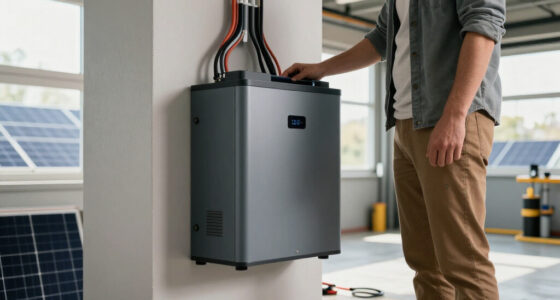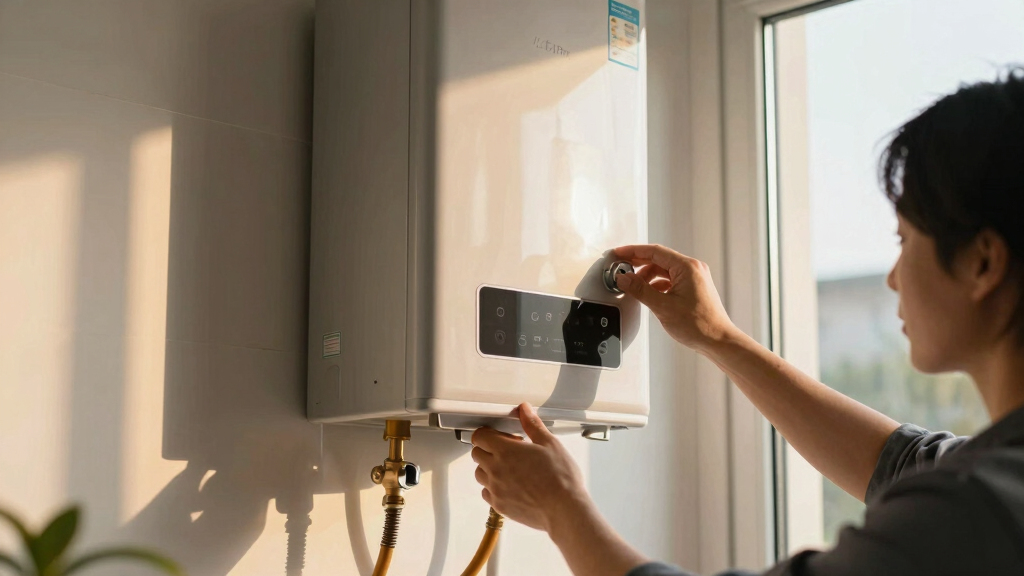

Energy-efficient heat pump water heaters are a smart choice for reducing energy bills and lowering environmental impact, especially in homes with high hot water demand. The Rinnai REHP80 stands out as the best overall pick thanks to its large capacity and high efficiency. For those seeking a more budget-friendly option, the Senville 50 Gallon Hybrid delivers solid performance at a lower price point. The main tradeoffs involve balancing upfront costs with long-term savings, as larger units tend to be more expensive but offer greater capacity and efficiency. Continue reading for a detailed comparison of these top models and what to consider before buying.

Get backup power and energy gear delivered free with Prime
- Fast, free delivery on millions of items
- Prime Video, Amazon Music and more included
- Member-only deals all year
Key Takeaways
- The Rinnai REHP80 offers the highest capacity and efficiency, making it ideal for larger households despite a higher upfront cost.
- The Senville 50 Gallon Hybrid provides excellent value for smaller homes or budget-conscious buyers without sacrificing too much efficiency.
- Size and capacity are key factors—choosing a model that matches your household’s hot water needs prevents unnecessary energy waste.
- Energy Star certification alone isn’t enough; look for models with high UEF ratings for real savings.
- Installation complexity varies; models with advanced features may require professional setup, adding to overall costs.
| ACiQ 50 Gallon Hybrid Electric Water Heater with Heat Pump and Quiet Operation |  | Best Overall for Balanced Efficiency and Features | Capacity: 50 Gallons | UEF Efficiency Rating: 3.75 | First Hour Rating: 69 Gallons | VIEW LATEST PRICE | See Our Full Breakdown |
| Rinnai REHP80 Electric Heat Pump Water Heater ‚ 80 Gallon, 240V, 30A, Energy Star Certified, 4.00 UEF, 91 Gallon First Hour Delivery for Residential Use |  | Best for Large Households with High Hot Water Demand | Capacity: 80 Gallons | UEF Efficiency Rating: 4.00 | First Hour Delivery: 91 Gallons | VIEW LATEST PRICE | See Our Full Breakdown |
| Senville 50 Gallon Hybrid Heat Pump Electric Water Heater |  | Best for Energy Savings and Long-Term Reliability | Capacity: 50 Gallons | UEF Rating: 3.75 | First Hour Rating: 69 Gallons | VIEW LATEST PRICE | See Our Full Breakdown |
| MRCOOL 40-Gallon Electric Water Heater with Dual 4500W Elements, Self-Cleaning & Rare-Earth Anode (240V) |  | Best Compact and Fast Recovery Electric Water Heater | Capacity: 40 Gallons | Heating Elements: Dual 4500W | Voltage: 240V | VIEW LATEST PRICE | See Our Full Breakdown |
| Rinnai REHP65 Electric Heat Pump Water Heater, 65 Gallon, Energy Star Certified |  | Best for Large Households with Moderate Space Needs | Capacity: 65 Gallons | UEF Rating: 3.90 | First Hour Delivery: 80 Gallons | VIEW LATEST PRICE | See Our Full Breakdown |
| Rinnai REHP50 Electric Heat Pump Water Heater – 50 Gallon, Energy Star Certified |  | Best for High Efficiency with Moderate Capacity | Tank Capacity: 50 Gallons | Power Requirements: 240V / 30A | Energy Certification: Energy Star Certified | VIEW LATEST PRICE | See Our Full Breakdown |
More Details on Our Top Picks
ACiQ 50 Gallon Hybrid Electric Water Heater with Heat Pump and Quiet Operation
This model stands out for combining high energy efficiency with smart features and quiet operation, making it ideal for households of 3–5 people. Its 3.75 UEF rating surpasses many competitors like the Rinnai REHP50, offering significant savings over standard electric heaters. However, its indoor installation requirements and air circulation needs limit placement flexibility. The unit’s advanced leak detection and long 12-year warranty add to its appeal, yet the specific voltage and indoor space requirements mean it’s not suitable for every home.
Compared to the Rinnai REHP80, this option is more compact and quieter but has a slightly lower first-hour capacity and efficiency rating. Tradeoffs include needing a dedicated space with proper air flow and compatible electrical wiring.
Pros:- High energy efficiency with a 3.75 UEF rating
- Quiet operation at 49.5 dB(A)
- Includes smart controls and leak detection
- Long 12-year warranty on tank and parts
Cons:- Requires indoor installation above 37°F ambient temperature
- Limited voltage compatibility (208V–240V)
- Needs sufficient space for air circulation
Best for: Families seeking a quiet, efficient, and feature-rich hybrid water heater for indoor installation in moderate climates.
Not ideal for: Homes with limited indoor space or those without the necessary air circulation and electrical requirements.
- Capacity:50 Gallons
- UEF Efficiency Rating:3.75
- First Hour Rating:69 Gallons
- Power Requirements:240V, 5500W
- Noise Level:49.5 dB(A)
- Warranty:12-year tank and parts
Bottom line: This pick offers a well-rounded balance of efficiency, quiet operation, and smart features, best suited for households with proper indoor space.
Rinnai REHP80 Electric Heat Pump Water Heater ‚ 80 Gallon, 240V, 30A, Energy Star Certified, 4.00 UEF, 91 Gallon First Hour Delivery for Residential Use
Compared to smaller models like the Rinnai REHP50, the REHP80 delivers significantly more hot water upfront, making it ideal for large families or homes with high demand. Its 4.00 UEF rating translates into excellent energy savings and lower utility bills, especially when paired with demand-response features that cut costs during peak hours. Its large capacity and robust build—UL and NSF approved—ensure reliability over time. However, the unit’s size and electrical requirements (240V, 30A) mean it’s best suited for homes with dedicated electrical circuits and sufficient space, limiting installation options for some.
Compared to the ACiQ 50 Gallon model, the Rinnai REHP80 offers greater capacity and first-hour output but at a higher upfront cost and larger footprint. The tradeoff involves accepting a more complex installation for increased hot water capacity and efficiency.
Pros:- High 4.00 UEF efficiency rating
- Generous 91-gallon first-hour delivery
- Demand-response enabled for savings during peak hours
- Durable, UL and NSF certified design
Cons:- Requires a dedicated 240V/30A electrical circuit
- Larger physical footprint may restrict installation spaces
- Higher upfront purchase cost
Best for: Large households or homes with high hot water needs that can accommodate its size and electrical demands.
Not ideal for: Small apartments or homes with limited electrical capacity or space for a bulky unit.
- Capacity:80 Gallons
- UEF Efficiency Rating:4.00
- First Hour Delivery:91 Gallons
- Voltage/Amperage:240V / 30A
- Certifications:Energy Star
- Warranty:10-year tank and parts
Bottom line: This heater is ideal for large households seeking maximum capacity and efficiency, provided space and electrical capacity are available.
Senville 50 Gallon Hybrid Heat Pump Electric Water Heater
This model excels at significantly reducing electricity use—up to 70% compared to standard electric water heaters—making it a smart choice for eco-conscious households. Its 3.75 UEF rating and 69-gallon first-hour capacity match well with the ACiQ 50 Gallon in efficiency, but with a slightly higher upfront cost due to its advanced technology. Certified by ENERGY STAR, UL, and AHRI, it emphasizes durability and environmental benefits. The main tradeoff involves its higher purchase price and a need for adequate space, as installation requires a suitable environment and space for the tank.
Compared with the ACiQ, this unit offers comparable efficiency but may appeal more to those prioritizing long-term savings and environmental impact.
Pros:- Reduces electricity use by up to 70%
- High efficiency with a 3.75 UEF rating
- Long warranty (7-year parts, 10-year compressor)
- Certified by ENERGY STAR, UL, and AHRI
Cons:- Higher initial purchase cost
- Requires sufficient space for installation
- Potentially more complex setup compared to basic models
Best for: Eco-conscious consumers wanting high efficiency with a longer-term investment in durability.
Not ideal for: Budget-conscious buyers or those with limited space who prefer simpler, less expensive models.
- Capacity:50 Gallons
- UEF Rating:3.75
- First Hour Rating:69 Gallons
- Certifications:ENERGY STAR, UL, AHRI
- Warranty:7-year parts, 10-year compressor
Bottom line: This heater suits buyers prioritizing energy savings and longevity over initial cost, especially in eco-friendly homes.
MRCOOL 40-Gallon Electric Water Heater with Dual 4500W Elements, Self-Cleaning & Rare-Earth Anode (240V)
This model provides a reliable hot water solution for smaller households or spaces where size matters. Its dual 4500W elements enable quick recovery, making it comparable to larger units like the Rinnai REHP80 for performance, but with a smaller capacity suited for moderate demand. Its energy-efficient design and self-cleaning feature help reduce ongoing costs and maintenance, while the rare-earth anode extends tank life. However, its 40-gallon capacity limits use in larger households, and it needs a 240V electrical connection, which may require professional wiring.
Compared to the larger MRCOOL 50-gallon unit, this heater is better suited for apartments or small homes, with the main tradeoff being capacity versus size and power requirements.
Pros:- Dual 4500W elements for fast hot water recovery
- Energy-efficient with self-cleaning technology
- Long-lasting with rare-earth anode
- Compact size suitable for limited spaces
Cons:- Limited to 40 gallons capacity
- Requires 240V wiring, possibly needing professional installation
- No smart home integration
Best for: Small households or apartments needing reliable hot water with a compact footprint.
Not ideal for: Large families or homes with high hot water demand, due to its limited capacity.
- Capacity:40 Gallons
- Heating Elements:Dual 4500W
- Voltage:240V
- Special Features:Self-Cleaning, Rare-Earth Anode
- Power Source:Electric
Bottom line: This heater offers quick recovery and reliable performance for smaller households, but isn’t designed for high-demand use.
Rinnai REHP65 Electric Heat Pump Water Heater, 65 Gallon, Energy Star Certified
Compared to the smaller REHP50, the REHP65 offers a larger 65-gallon capacity and an efficiency rating of 3.90 UEF, making it suitable for households with up to 4–6 people. Its 80-gallon first-hour delivery strikes a balance between capacity and energy savings, with demand-response features adding to its cost-effectiveness during peak utility hours. Its durable glass-lined tank and 10-year warranty provide peace of mind. However, the larger size and 240V/30A electrical requirement mean it’s best installed in homes with ample space and dedicated electrical circuits. The higher upfront cost reflects its capacity and advanced features.
This model is more suited to larger households than the ACiQ 50 Gallon, with the tradeoff being its size and installation complexity.
Pros:- High efficiency with a 3.90 UEF rating
- Generous 80-gallon first-hour capacity
- Demand-response technology for utility savings
- 10-year warranty and durable tank
Cons:- Requires professional electrical installation (240V / 30A)
- Large footprint may need dedicated space
- Higher initial cost compared to smaller models
Best for: Families or shared homes with moderate space and high hot water demand who want reliable, efficient performance.
Not ideal for: Small apartments or homes with limited electrical capacity or space for a large unit.
- Capacity:65 Gallons
- UEF Rating:3.90
- First Hour Delivery:80 Gallons
- Voltage/Amperage:240V / 30A
- Warranty:10-year tank and parts
Bottom line: This heater is a smart choice for larger households seeking efficiency and capacity, provided space and electrical setup are available.
Rinnai REHP50 Electric Heat Pump Water Heater – 50 Gallon, Energy Star Certified
This model stands out for its impressive UEF of 3.75, making it a highly efficient choice compared to less specialized electric water heaters. Its 73-gallon first-hour delivery makes it suitable for households with moderate hot water demands, especially when compared to the smaller capacity of the ACiQ 50 Gallon Hybrid. The demand-response technology helps save on energy costs during peak hours, which is advantageous for budget-conscious users. However, the requirement for a 240V/30A electrical connection may involve additional installation costs, and the initial price is higher than traditional models. Its durable glass-lined tank and 10-year warranty add to its appeal for long-term reliability.
Pros:- Exceptional energy efficiency with a UEF of 3.75
- Large first-hour hot water delivery of 73 gallons
- Demand-response technology reduces peak energy costs
- Long 10-year warranty on tank and parts
Cons:- Requires a dedicated 240V/30A electrical connection, possibly increasing installation costs
- Higher upfront cost compared to standard electric water heaters
Best for: Households seeking high efficiency and moderate capacity, with existing 240V electrical setups
Not ideal for: Small apartments or spaces with limited electrical capacity due to the high power requirements
- Tank Capacity:50 Gallons
- Power Requirements:240V / 30A
- Energy Certification:Energy Star Certified
- UEF Rating:3.75
- First Hour Delivery:73 Gallons
- Warranty:10-Year Residential Warranty on Tank and Parts
- Refrigerant Type:R134a
Bottom line: This pick makes the most sense for energy-conscious households with moderate hot water needs and existing electrical infrastructure.
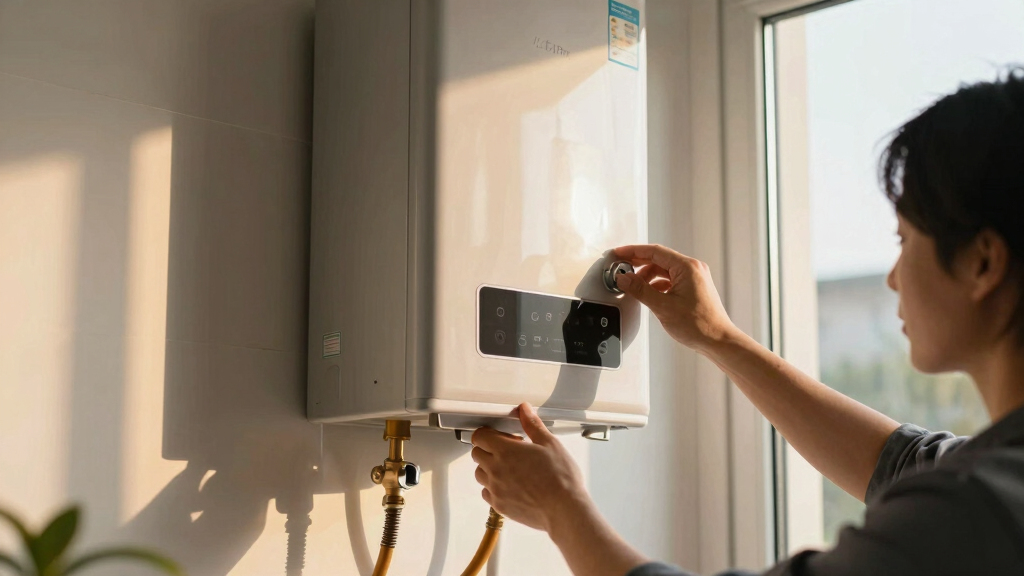
How We Picked
These products were selected based on their energy efficiency ratings, capacity, build quality, and user feedback. Priority was given to models with high UEF and Energy Star certification, indicating better performance and savings potential. We also considered size options suitable for different household needs and ease of installation. Cost and warranty length played roles in assessing value, alongside maintenance requirements. The ranking reflects a balance between efficiency, capacity, usability, and price, helping buyers find options that best fit their specific needs and budgets.Factors to Consider When Choosing Energy-efficient Heat Pump Water Heaters
Choosing the right energy-efficient heat pump water heater involves more than just looking at labels. Consider your household’s hot water demand to select a size that prevents energy waste. Efficiency ratings like UEF and Energy Star certification are key indicators of long-term savings, but they should be weighed alongside upfront costs and installation requirements. Durability and ease of maintenance also matter, especially if you want a hassle-free experience. Being aware of these factors helps you avoid common pitfalls, such as overspending on capacity or choosing a model incompatible with your home’s electrical system.Capacity and Household Size
Matching your water heater’s capacity with your household size is essential. Oversized units waste energy, while undersized ones can struggle to meet demand. Larger households typically benefit from units with 65 gallons or more, whereas smaller homes might find 50 gallons sufficient. Consider future household changes—if you plan to expand, opt for slightly larger capacity now to avoid costly upgrades later.Efficiency Ratings and Certification
Look beyond basic features and pay close attention to UEF and Energy Star ratings. A higher UEF indicates better energy conversion efficiency, which translates into lower utility bills. Energy Star certification adds an extra layer of assurance that the unit meets strict efficiency standards. Keep in mind that these ratings are most meaningful when compared directly—don’t assume a higher-rated model is always more expensive; some offer excellent efficiency at competitive prices.Installation and Compatibility
Proper installation is crucial to achieving the expected energy savings. Some models require specific electrical wiring, space, or venting, which can add to the initial cost. It’s wise to consult with a professional before purchase to ensure compatibility with your home’s systems. Incorrect installation often leads to reduced efficiency and potential damage, undermining your investment.Cost, Warranty, and Maintenance
While higher-efficiency models tend to cost more upfront, they can save money over time through reduced energy bills. Warranties vary and can be a sign of quality—look for units with at least 5 years of coverage. Maintenance requirements differ; some models feature self-cleaning mechanisms or accessible components that simplify upkeep. Balancing upfront costs with long-term savings and support is key to a satisfying purchase.Additional Features and User Experience
Features like quiet operation, smart controls, and advanced diagnostics can enhance usability but often come at a premium. Consider what features matter most in your daily life—if noise is a concern, prioritize quieter models. For tech-savvy users, models with app connectivity or remote monitoring might justify a higher price. Weigh these extras against your budget and needs to make an informed decision.Frequently Asked Questions
How do I know if a heat pump water heater is right for my home?
Heat pump water heaters are most effective in moderate to warm climates where they can operate efficiently without excessive energy loss. They work best in homes with ample space around the unit for proper airflow and where electricity costs are reasonable. If your household consumes a lot of hot water daily, a larger capacity model will save more over time. However, if your climate is very cold or your hot water needs are minimal, other types might be more suitable.
Are energy-efficient heat pump water heaters worth the investment?
In most cases, yes. Although these units come with higher upfront costs, their superior efficiency can significantly lower energy bills over their lifespan. The savings on utility costs, combined with government incentives and rebates in some regions, can offset the initial investment. The key is choosing a model that fits your household size and usage patterns to maximize savings without overspending on capacity.
What maintenance do heat pump water heaters require?
Maintenance for these units generally involves regular filter cleaning or replacement, checking for refrigerant leaks, and ensuring airflow around the unit is unobstructed. Some models feature self-cleaning functions that reduce upkeep. Proper maintenance prolongs the life of the unit and maintains its efficiency, preventing costly repairs down the line. Always follow the manufacturer’s guidelines for specific maintenance tasks and schedules.
Can a heat pump water heater be installed anywhere in my home?
While versatile, these units require a location with sufficient space and good airflow for optimal operation. They are typically installed in utility rooms, garages, or basements. Avoid placing them in confined or poorly ventilated areas, as this can impair efficiency and cause operational issues. Consulting with a professional installer can help determine the best spot, ensuring safe and efficient operation.
How long do energy-efficient heat pump water heaters last?
Most models have a lifespan of around 10 to 15 years with proper maintenance. High-quality units with durable components and good warranties tend to last longer, offering better value over time. Regular upkeep and timely repairs can extend their service life, making them a reliable investment for your home’s hot water needs.
Conclusion
For those seeking the best overall performance, the Rinnai REHP80 stands out thanks to its large capacity and high efficiency. Budget-conscious buyers will appreciate the Senville 50 Gallon Hybrid for its affordability and solid features. If you prefer a premium, feature-rich model, the Rinnai REHP65 offers advanced functionalities with excellent reliability. Beginners or smaller households should consider the 50-gallon options for simplicity and ease of use. Ultimately, your choice depends on household size, budget, and long-term savings goals—these picks cover a broad spectrum to help you find the perfect fit.Halloween Picks
halloween
As an affiliate, we earn on qualifying purchases.