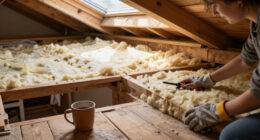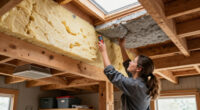
The best attic insulation materials depend on whether you need to slow heat flow through the ceiling or reduce radiant heat from a hot roof. I rank the Owens Corning R-38 Unfaced Fiberglass Batts as the best overall choice for adding substantial thermal resistance over an attic floor. For large areas where radiant heat is the main concern, the Houseables Radiant Barrier Roll offers broad listed coverage, while Reflectix BP24025 is a smaller, easier-to-handle reflective option. The main tradeoffs are insulation type, coverage, installation fit, and whether the product suits your attic assembly. Read on for the full comparison and advice on matching a material to your space.

Get backup power and energy gear delivered free with Prime
- Fast, free delivery on millions of items
- Prime Video, Amazon Music and more included
- Member-only deals all year
Key Takeaways
- Fiberglass batts and radiant barriers do different jobs: the Owens Corning R-38 and R-19 products provide stated R-values, while the reflective rolls are intended to manage radiant heat and should not be treated as a direct substitute for ceiling insulation.
- The R-38 batts lead when adding thermal resistance: their stated R-value is higher than the R-19 option, but the smaller listed coverage per bag means planning the number of packages and fitting the material carefully matter.
- Large rolls suit broad, open areas: Houseables, Margar, and US Energy Products each list 1,000 square feet of coverage, making them easier to plan for expansive surfaces than Reflectix BP24025’s 24-inch-by-25-foot roll.
- Roll dimensions affect handling as much as coverage: the 48-inch-wide UBmove roll and 24-inch-wide Reflectix roll may be easier to position in some layouts, while wider or longer rolls can mean fewer seams across open spans.
- Product type and attic conditions should decide the purchase: a radiant barrier needs a suitable installation arrangement, while batts need the right thickness, fit, and air-leak preparation; the largest roll alone is not the best choice for every attic.
| Houseables Radiant Barrier Insulation Roll, 250 ft x 4 ft, 1,000 sq ft |  | Best Large-Area Radiant Barrier | Brand: Houseables | Dimensions: 250 ft x 4 ft | Coverage: 1,000 sq ft | VIEW LATEST PRICE | See Our Full Breakdown |
| Owens Corning R-19 Unfaced Fiberglass Insulation Batts, 15 x 93 in, 77.5 sq ft |  | Best for 2×6 Framing | Brand: Owens Corning | Material: Fiberglass | R-value: R-19 | VIEW LATEST PRICE | See Our Full Breakdown |
| Margar Perforated Double-Foil Radiant Barrier Insulation Roll, 1,000 sq ft |  | Best for Airflow-Conscious Radiant Barrier Projects | Manufacturer: MARGAR | Coverage: 1,000 sq ft | Dimensions: 4 ft x 250 ft | VIEW LATEST PRICE | See Our Full Breakdown |
| Reflectix BP24025 24-Inch by 25-Foot Reflective Bubble Insulation |  | Best Compact Reflective Roll | Brand: Reflectix | Model: BP24025 | Dimensions: 300 x 24 inches | VIEW LATEST PRICE | See Our Full Breakdown |
| Owens Corning R-38 Unfaced Fiberglass Batt Insulation, 24 × 48 in, 8 Bags |  | Best High-R-Value Attic Batt | Brand: Owens Corning | Material: Fiberglass | R-value: R-38 | VIEW LATEST PRICE | See Our Full Breakdown |
| US Energy Products Radiant Barrier Insulation Roll, 1,000 sq. ft., 4 ft. Wide |  | Best for Large Attic Coverage | Coverage: 1,000 sq. ft. | Dimensions: 4 ft. wide × 250 ft. long | Construction: Five-layer reflective material with metalized aluminum, Mylar, and nylon scrim | VIEW LATEST PRICE | See Our Full Breakdown |
| UBmove Reflective Bubble Insulation Roll, 48 in x 125 ft |  | Best for Flexible, Cut-to-Fit Projects | Dimensions: 48 in × 125 ft | Coverage: 6,000 square inches | Material: Polyethylene (PE) | VIEW LATEST PRICE | See Our Full Breakdown |
| attic insulation material | Dimensions | Coverage | Material | Brand |
|---|---|---|---|---|
| Houseables Radiant Barrier Ins | 250 ft x 4 ft | 1,000 sq ft | — | Houseables |
| Owens Corning R-19 Unfaced Fib | 93 inches L x 15 inches W | 77.5 sq ft per bag | Fiberglass | Owens Corning |
| Margar Perforated Double-Foil | 4 ft x 250 ft | 1,000 sq ft | Perforated double-sided reflective foil | — |
| Reflectix BP24025 24-Inch by 2 | 300 x 24 inches | 7,200 sq in | Aluminum foil and polyethylene | Reflectix |
| Owens Corning R-38 Unfaced Fib | 48 x 24 x 12 inches | 512 sq ft | Fiberglass | Owens Corning |
| US Energy Products Radiant Bar | 4 ft. wide × 250 ft. long | 1,000 sq. ft. | — | — |
| UBmove Reflective Bubble Insul | 48 in × 125 ft | 6,000 square inches | Polyethylene (PE) | — |
More Details on Our Top Picks
Houseables Radiant Barrier Insulation Roll, 250 ft x 4 ft, 1,000 sq ft
Houseables is the strongest fit for covering a broad attic area with a single reflective roll: its 250-by-4-foot format provides 1,000 square feet, and the double-sided foil has a stated reflective value above 97%. The perforated construction is intended to allow airflow, making this a different approach from the Owens Corning R-38 batts, which provide a stated thermal resistance rather than serving as a radiant barrier. Houseables is tear-resistant and easy to cut, which can help when fitting long runs around attic framing. Its tradeoff is that radiant barriers work by addressing radiant heat, not by supplying an R-value like fiberglass; the cooling benefit also varies with climate. The supplied details do not include step-by-step installation guidance, so buyers unfamiliar with foil barriers may need to plan the layout and attachment method separately.
Pros:- Covers 1,000 square feet per roll
- Stated reflective value greater than 97%
- Tear-resistant foil is designed to be cut and installed
- Perforated construction and stated fire, smoke, and breathability standards
Cons:- Does not provide a stated R-value like Owens Corning fiberglass batts
- Cooling benefits depend on climate and installation conditions
- The provided product details do not include specific installation instructions
Best for: Homeowners covering a large attic or roof area who want a cut-to-fit radiant barrier and understand that it is not a substitute for R-value insulation.
Not ideal for: Buyers who need a specified R-value, have a small project better suited to the Reflectix BP24025 roll, or need detailed installation instructions included.
- Brand:Houseables
- Dimensions:250 ft x 4 ft
- Coverage:1,000 sq ft
- Reflective value:>97%
- Construction:Double-sided, perforated aluminum foil
- Model:RaBa
Our verdict“Choose Houseables for broad radiant-barrier coverage, but pair it with suitable thermal insulation if your attic needs a defined R-value.”
Owens Corning R-19 Unfaced Fiberglass Insulation Batts, 15 x 93 in, 77.5 sq ft
These R-19 batts suit framed attic areas where a consistent fit matters, especially 2×6 cavities. At 6.5 inches thick, they provide a defined thermal resistance that neither the Houseables nor Margar radiant-barrier rolls specify. Each bag covers 77.5 square feet, so this is a more targeted purchase than the Owens Corning R-38 batts, which cover a much larger attic area and suit buyers seeking a higher stated R-value. The unfaced design makes these batts appropriate where moisture control is handled separately, but it also means the buyer must account for that layer and follow local building guidance. Fiberglass can help reduce sound transmission and is described as easy to cut, though handling and fitting around irregular attic obstacles takes more work than laying a continuous roll.
Pros:- R-19 thermal resistance suited to 2×6 framing
- 77.5 square feet of coverage per bag
- Can help reduce sound transmission
- Batts are described as easy to cut and quick to recover
Cons:- Unfaced construction has no vapor barrier, so moisture control must be handled separately
- The 6.5-inch thickness is intended for deeper framing or retrofit applications
- Individual batts require fitting around framing and obstructions
Best for: DIYers insulating 2×6 attic framing or smaller sections who want R-19 fiberglass batts and already have a plan for moisture control.
Not ideal for: Buyers filling a large open attic who need greater coverage or a higher stated R-value, or anyone expecting a built-in vapor barrier.
- Brand:Owens Corning
- Material:Fiberglass
- R-value:R-19
- Thickness:6.5 inches
- Dimensions:93 inches L x 15 inches W
- Coverage:77.5 sq ft per bag
- Quantity:8 batts
- Facing:Unfaced; no vapor barrier
- Recommended uses:Thermal insulation for walls, floors, and attics
Our verdict“Pick these batts for framed areas that call for R-19 and separate moisture control, rather than broad, open attic coverage.”
Margar Perforated Double-Foil Radiant Barrier Insulation Roll, 1,000 sq ft
Margar’s perforated double-foil roll is aimed at buyers prioritizing airflow while adding a radiant barrier across a large attic, garage, or similar space. Like the Houseables roll, it covers 1,000 square feet in a 4-by-250-foot format; Margar also specifies ASTM E84 and E96 standards and a Class A / Class 1 fire rating. It can be cut with household scissors and attached with staples or nails, giving buyers clearer basic attachment options than the Houseables product details provide. Neither roll supplies a stated R-value, so I would not treat either as a replacement for the Owens Corning R-38 batts when conductive heat loss is the main concern. The stated standards and fire rating are manufacturer claims in the supplied data, and performance details are not independently verified.
Pros:- Provides 1,000 square feet of coverage
- Perforations are intended to support airflow
- Can be cut with household scissors and attached with staples or nails
- Lists a Class A / Class 1 fire rating and ASTM E84 and E96 standards
Cons:- No stated R-value, unlike the Owens Corning fiberglass batts
- Performance claims in the supplied details are not independently verified
- Radiant-barrier benefits depend on attic conditions and installation
Best for: Homeowners installing a large reflective barrier who want perforations for airflow and basic cutting and fastening guidance.
Not ideal for: Buyers seeking a specified R-value or independently verified performance data, or those who need detailed results for their exact attic conditions.
- Manufacturer:MARGAR
- Coverage:1,000 sq ft
- Dimensions:4 ft x 250 ft
- Material:Perforated double-sided reflective foil
- Color:Silver
- Weight:27.6 lb
- Standards:ASTM E84, ASTM E96
Our verdict“Choose Margar when airflow-conscious, large-area radiant-barrier coverage is the priority, not when you need an R-rated insulation layer.”
Reflectix BP24025 24-Inch by 25-Foot Reflective Bubble Insulation
Reflectix is the most compact option here for smaller attic sections and narrow runs: the roll is 24 inches wide and 25 feet long, far less coverage than the 1,000-square-foot Houseables and Margar rolls. Its seven-layer foil-and-polyethylene construction combines reflective surfaces with bubble layers intended to resist conductive heat flow, while the 5/16-inch thickness keeps it lightweight and fiber-free. That layered build gives it a different profile from a simple perforated foil barrier, but the product data still provides no R-value for comparing it directly with the Owens Corning R-19 batts. Its modest roll size can be useful for targeted projects, yet it is a poor choice for insulating a large attic from scratch. The listed coverage is 7,200 square inches, so buyers should check their measurements before deciding how many rolls they need.
Pros:- Seven-layer construction combines reflective foil and bubble layers
- Lightweight, fiber-free material is described as easy to install
- Narrow 24-inch roll can suit targeted areas
- Designed for attics as well as crawl spaces, walls, and metal buildings
Cons:- Covers much less area than the Houseables and Margar 1,000-square-foot rolls
- No R-value is provided for direct comparison with fiberglass batts
- Warranty details require contacting customer service
Best for: DIYers treating a small attic section, narrow area, or other targeted project who want lightweight, fiber-free reflective material.
Not ideal for: Homeowners insulating a large attic or anyone who needs a clearly stated R-value and broad coverage per roll.
- Brand:Reflectix
- Model:BP24025
- Dimensions:300 x 24 inches
- Thickness:0.31 inches
- Coverage:7,200 sq in
- Material:Aluminum foil and polyethylene
- Layers:7
- Item weight:16 ounces
- Pack count:1
Our verdict“Use Reflectix for a compact, targeted reflective-insulation job, but choose a higher-coverage product for a whole attic.”
Owens Corning R-38 Unfaced Fiberglass Batt Insulation, 24 × 48 in, 8 Bags
For buyers prioritizing a stated R-value in a dedicated attic product, these R-38 batts are the strongest fit in this group. Eight bags cover 512 square feet, making this a larger-area fiberglass option than the R-19 batts, while the higher stated resistance suits buyers who need more thermal insulation than a reflective foil roll can specify. The tradeoff is installation planning: this unfaced insulation requires at least 2 inches of properly ventilated air space, and the supplied details exclude exterior walls. By comparison, the Houseables radiant barrier covers more area per roll and may be easier to lay across broad runs, but it does not offer a stated R-value. These batts are also unfaced, so buyers need to plan moisture control separately and confirm fit and ventilation requirements for their attic.
Pros:- R-38 thermal resistance for attic insulation
- Eight bags cover 512 square feet
- Can also be used for interior walls, floors, ceilings, and soundproofing
- Provides a stated R-value, unlike the reflective foil rolls in this group
Cons:- Requires at least 2 inches of properly ventilated air space
- Unfaced design means moisture control must be planned separately
- Not suitable for exterior walls according to the supplied product details
Best for: Homeowners insulating a ventilated attic who want R-38 fiberglass batts and need coverage for a substantial area.
Not ideal for: Buyers whose attic cannot provide the required ventilated air space, those seeking a reflective barrier, or anyone needing exterior-wall insulation.
- Brand:Owens Corning
- Material:Fiberglass
- R-value:R-38
- Facing:Unfaced
- Dimensions:48 x 24 x 12 inches
- Coverage:512 sq ft
- Bags:8
- Batts per bag:8
- Recommended use:Attic insulation
Our verdict“Choose these R-38 batts for a ventilated attic where higher specified thermal resistance matters more than roll-style installation.”
US Energy Products Radiant Barrier Insulation Roll, 1,000 sq. ft., 4 ft. Wide
For an attic with broad, accessible roof spans, this roll’s 1,000-square-foot coverage and 250-foot length can reduce the number of seams compared with the smaller Reflectix BP24025 roll. Its perforated, breathable construction allows air circulation, while the reflective surface is intended to reduce radiant heat transfer; it is not a direct substitute for the bulk thermal resistance of Owens Corning R-19 or R-38 fiberglass batts. The five-layer build includes metalized aluminum, Mylar, and nylon scrim, with stated tear resistance and a Class A/1 fire rating. At four feet wide, it is manageable to cut, though careful installation matters because wrinkles can complicate a neat fit. I’d choose it for large reflective-barrier projects, while buyers seeking conventional attic insulation should compare it with the fiberglass options.
Pros:- Covers 1,000 square feet with one roll, limiting product changes across a large project
- Perforations allow air circulation through the reflective material
- Five-layer construction includes metalized aluminum, Mylar, and nylon scrim
- Lightweight material can be cut for attic, shed, warehouse, or house-wrap applications
Cons:- Wrinkling during installation can make coverage less tidy and requires careful handling
- Reflective-barrier performance depends on climate and installation conditions
- Does not provide the same type of stated batt R-value as the Owens Corning fiberglass options
Best for: Homeowners covering large, accessible attic or outbuilding surfaces who want a perforated reflective barrier in a single long roll.
Not ideal for: Buyers who need conventional bulk insulation with a clearly stated batt R-value, or who cannot install the material carefully across broad surfaces.
- Coverage:1,000 sq. ft.
- Dimensions:4 ft. wide × 250 ft. long
- Construction:Five-layer reflective material with metalized aluminum, Mylar, and nylon scrim
- Reflective value:99.7%
- Radiant heat blocked:97%
- Features:Double-sided, perforated, breathable, tear-resistant, waterproof, and weatherproof
- Brand and manufacturer:AES
Our verdict“Choose this roll for extensive attic surfaces where a breathable radiant barrier fits the project better than fiberglass batts.”
UBmove Reflective Bubble Insulation Roll, 48 in x 125 ft
The UBmove roll suits buyers who want a lightweight material that can be cut for several uses, from attic sections to garage projects or packaging. Its 48-inch width and 125-foot length provide a long continuous run, while the 3/16-inch polyethylene bubbles add cushioning beneath the foil outer layer. Compared with the US Energy Products 1,000-square-foot radiant barrier, UBmove is a narrower-use choice: it has a one-sided construction and its stated R-value spans a broad range of 4.9 to 14.1, so the spec offers less precise guidance for planning attic thermal performance. It is also unlike Owens Corning fiberglass batts, which are conventional bulk insulation. I’d pick UBmove for adaptable, small-to-mid-size applications, not as my first choice for a whole-attic insulation plan.
Pros:- Long 125-foot roll can cover extended runs without frequent changes
- Lightweight 5-pound roll is easier to handle than bulkier insulation materials
- Can be cut with scissors or a knife for varied project shapes
- Bubble layer adds cushioning for packaging and other non-attic uses
Cons:- One-sided construction offers less flexibility than double-sided radiant barrier rolls
- Stated R-value range of 4.9 to 14.1 is broad and does not clearly specify performance for a particular installation
- At 0.19 inches thick, it is not equivalent to the bulk thermal protection of fiberglass batts
Best for: DIYers who need a light, cut-to-fit reflective bubble material for limited attic areas, garages, greenhouses, or packaging.
Not ideal for: Homeowners planning a full attic insulation upgrade who need a clearly specified thermal rating or a double-sided reflective barrier.
- Dimensions:48 in × 125 ft
- Coverage:6,000 square inches
- Material:Polyethylene (PE)
- Construction:One-sided bubble insulation with foil outer layer
- Bubble layer thickness:3/16 in
- Item thickness:0.19 in
- Stated R-value:4.9 to 14.1
- Weight:5 lb
- Model and country of manufacture:ThermBub; USA
Our verdict“Choose UBmove for lightweight, cut-to-fit projects, but look to fiberglass batts or a more clearly specified radiant barrier for a primary attic upgrade.”

How We Picked
I compared the seven products by the job each material is designed to do, then ranked them by how clearly their listed specifications support common attic needs. For fiberglass batts, I focused on stated R-value, package coverage, and the practical difference between the R-19 and R-38 options. For reflective products, I considered roll dimensions, stated area, and how readily each format can suit a broad installation or a smaller, more confined project.
The ranking favors products with a clear role and useful specifications, not a claim that one insulation type replaces another. The R-38 batts lead for adding thermal resistance at an attic floor; the Houseables roll earns a strong place for large-area radiant-barrier projects; and smaller-format rolls serve narrower or more manageable installations. I also weighed fit and likely installation complexity: a product can be a poor match if its material, dimensions, or purpose do not fit the attic. The supplied specifications do not establish every performance factor, such as a radiant barrier’s tested effectiveness in a particular assembly, so buyers should confirm local code and installation requirements.
| attic insulation material | Brand | Material |
|---|---|---|
| Houseables Radiant Barrier Ins | Houseables | — |
| Owens Corning R-19 Unfaced Fib | Owens Corning | Fiberglass |
| Margar Perforated Double-Foil | — | Perforated double-sided reflective foil |
| Reflectix BP24025 24-Inch by 2 | Reflectix | Aluminum foil and polyethylene |
| Owens Corning R-38 Unfaced Fib | Owens Corning | Fiberglass |
| US Energy Products Radiant Bar | — | — |
| UBmove Reflective Bubble Insul | — | Polyethylene (PE) |
Factors to Consider When Choosing Best Attic Insulation Materials
Before choosing a roll or batt, decide what problem you are solving and where the material will sit. These factors help prevent a common mismatch: buying a reflective product when the attic needs more ceiling insulation, or adding batts without addressing air leaks and moisture conditions.
Match the material to the heat-control job
Fiberglass batts and radiant barriers are not interchangeable categories. Batts slow heat flow through an insulated ceiling assembly, and their stated R-value gives a useful basis for comparing thermal resistance. A radiant barrier reflects radiant heat and works as part of a suitable attic setup; it does not provide a listed R-value in the product information here. Before shopping, identify whether the main goal is increasing ceiling insulation or reducing radiant heat from the roof. If both are concerns, a combined approach may be needed, subject to building details and local guidance.
Check existing insulation and the target R-value
Adding a batt with a particular R-value does not automatically make the entire attic assembly reach that value. Existing insulation, gaps, compression, and framing all affect the result. Check what is already in place and compare its condition and depth with local recommendations before deciding how much to add. The R-19 and R-38 Owens Corning options illustrate why the number matters, but their listed coverage and package formats also affect how much area a purchase will cover. Avoid compressing batts to make them fit; a poor fit can undermine the performance you intended to add.
Measure usable area, not just floor area
Listed roll coverage is a starting point, not a guarantee that the full stated area will cover your installation. Roof slopes, framing, obstacles, overlaps, cutting, and installation details can create waste or reduce usable coverage. Measure the actual surfaces you plan to cover and account for seams and offcuts before choosing between a 1,000-square-foot roll and a smaller roll such as the Reflectix 24-inch-by-25-foot format. Batts bring a different planning issue: package area and cavity dimensions must both match. Purchase planning is more accurate when you sketch the area and note its width, length, and obstructions.
Treat attic air leaks and moisture as separate problems
Insulation does not by itself seal every air leak or correct a moisture problem. Gaps around wiring, plumbing, hatches, and ceiling penetrations may need appropriate air sealing before new material goes in. Moisture from roof leaks, poor ventilation, or indoor humidity can also affect whether an assembly is suitable for added insulation. Do not cover damp materials or block ventilation paths with a radiant barrier or batt. If the attic has signs of water damage, mold, or uncertain ventilation, resolve those conditions before choosing and installing insulation.
Choose a format you can install correctly
Rolls can cover open stretches with fewer separate pieces, but long material may be awkward around framing and obstructions. Narrow rolls can be easier to position in constrained areas, though they may require more seams across a wide surface. Batts are sized for cavities, so the fit must match the framing rather than being forced into place. Also check product directions for facing, attachment, clearances, and whether the material is intended for the surface you plan to cover. If access is tight or the work involves electrical equipment, unusual roof geometry, or uncertain code requirements, professional advice can prevent an installation mistake.
Spend more only when the upgrade solves a defined need
A larger roll is useful when its material and installation method fit a broad, open project; more coverage alone does not make it better insulation. A higher-R-value batt can make sense when the attic floor needs greater thermal resistance and the framing can accommodate it without compression. Smaller rolls may reduce handling difficulty for a limited area, even if they create more seams. Compare the amount of usable material, the stated performance information, and the work required to install it rather than choosing by package size alone. If a listing does not provide performance data needed for your project, ask the manufacturer or a qualified installer before relying on it.
Frequently Asked Questions
Can a radiant barrier replace fiberglass batts in my attic?
Not as a direct replacement based on the specifications in this roundup. The fiberglass batts list R-values, while the reflective products are designed to address radiant heat and do not list an equivalent R-value here. Your attic may need insulation across the ceiling, a radiant barrier in a suitable location, or both, depending on the assembly and climate. Check local energy guidance and installation directions before deciding. If you are unsure which heat flow is the main problem, an energy assessment can help avoid buying the wrong material.
Should I choose the R-19 or R-38 Owens Corning batts?
Choose based on the insulation already present, the target for your area, and the space available in the attic floor or framing. The R-38 product has a higher stated R-value, while the R-19 option may suit a different build-up or a smaller addition. Neither number tells you the final R-value of the whole assembly by itself. Check the required depth and avoid compressing a batt to fit into a shallow cavity. If existing insulation is uneven or damaged, address that condition before calculating what to add.
Is a 1,000-square-foot radiant barrier roll enough for my attic?
It depends on the surface being covered and the installation method, not just the attic’s floor area. Roof slopes, framing, cuts, overlaps, and obstructions can change how much roll material is usable. Measure the intended installation surface and compare it with the product’s listed coverage, leaving room for waste and seams. Also confirm that a radiant barrier is appropriate for your attic layout; it is not automatically installed like floor insulation. If the product instructions or local requirements call for a particular air space or placement, include that in your plan.
Which option makes the most sense for a small or awkward attic?
For a limited area, a smaller or narrower roll may be easier to position than a very long, wide roll, while correctly sized batts can suit accessible framing cavities. Reflectix BP24025 is listed as 24 inches wide and 25 feet long, and the UBmove roll is 48 inches wide; those dimensions can affect maneuverability and seam count. The best fit still depends on the surface and the material’s intended use. Measure clearances and identify obstacles before buying, and do not force batts into irregular spaces. For complex roof geometry or restricted access, a qualified installer can recommend a safer method.
What should I fix before adding attic insulation?
First look for roof leaks, damp insulation, visible mold, and blocked ventilation paths; adding material over unresolved moisture can create further problems. Air leaks around attic hatches, wiring, plumbing, and other ceiling penetrations may also need proper sealing. Check clearances around heat-producing equipment and follow local code and product directions. Do not cover electrical components or ventilation openings unless the installation instructions specifically allow it. If you find damage or cannot identify the source of moisture, get qualified help before proceeding.
Conclusion
For most buyers looking to add thermal resistance over an attic floor, my best overall pick is Owens Corning R-38 Unfaced Fiberglass Batts, because it has the highest stated R-value in this lineup. The best value for a large radiant-barrier project is Houseables, whose listed 1,000-square-foot coverage suits broad surfaces when a radiant barrier fits the attic plan. For a premium-style choice focused on thermal resistance rather than extra roll area, choose the R-38 batts if your assembly can accommodate them; the product data here does not support claims about a price-based premium. Beginners may find a smaller-format product such as Reflectix BP24025 easier to handle for a limited, appropriate installation, but should read the directions and distinguish radiant control from insulation R-value. For large open radiant-barrier installations, compare Houseables, Margar, and US Energy Products by installation instructions and fit; for cavity insulation, choose between R-19 and R-38 based on your existing assembly and target. My final advice is to select by function and fit first, then use coverage and roll dimensions to narrow the choice.