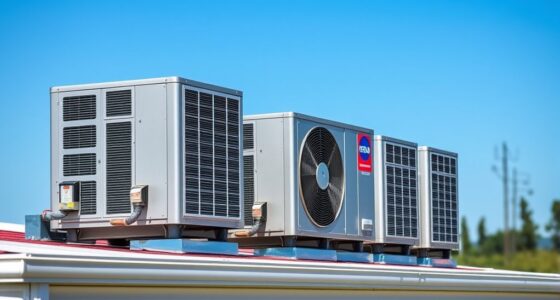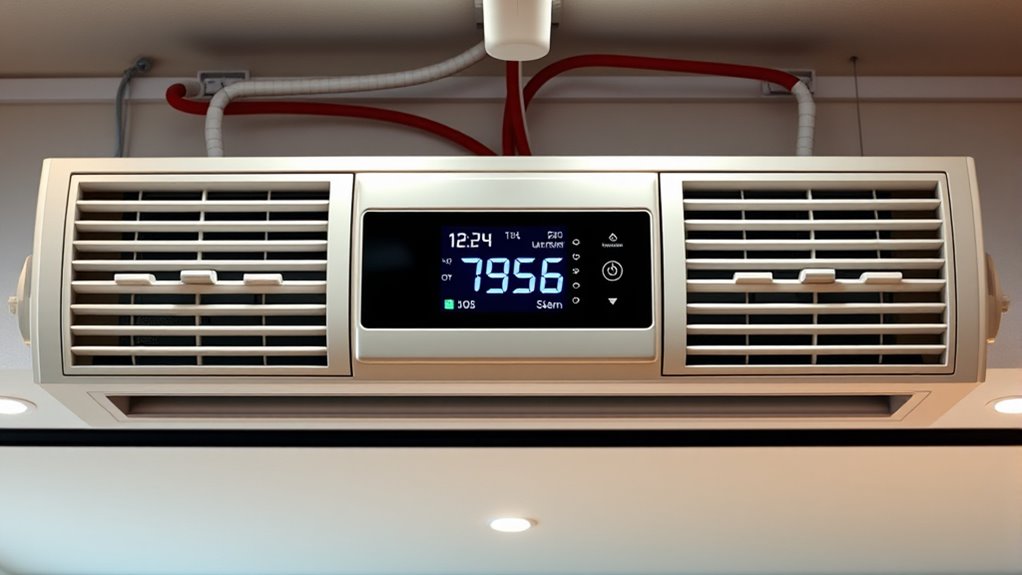

If you’re looking to boost comfort and save energy in 2025, the top HVAC zoning systems include high-velocity units, Carrier’s upgraded zoning system, and various durable, professionally designed dampers like 12”, 16”, and 14-inch models. These systems support complex layouts, match existing equipment, and feature reliable, quiet operation. By choosing the right components, you can customize airflow exactly where you need it. Keep exploring to see how these solutions can work best for you.
Key Takeaways
- The top HVAC zoning systems in 2025 include high-velocity units and duct damper systems for enhanced comfort and efficiency.
- Compatibility with existing HVAC brands and control protocols is crucial for seamless installation and operation.
- Modern zoning systems feature durable materials, quiet operation, and advanced control options like programmable thermostats.
- Installation flexibility allows for complex duct layouts and retrofitting in both residential and commercial settings.
- The best systems offer energy savings, precise airflow control, and reliable long-term performance.
High-Velocity HVAC Systems: Design, Applications, and Best Practices

High-velocity HVAC systems are an excellent choice for homeowners and building managers seeking flexible, efficient climate control in tight or complex spaces. These systems deliver conditioned air at high speeds through small, flexible ducts, making installation easier in confined areas. Their design includes high-speed blowers, small-diameter ducts, and specialized diffusers that ensure precise airflow and improved air quality. Proper planning and system sizing are vital for maximum performance, especially when retrofitting existing structures. Routine maintenance keeps these systems running smoothly, maximizing energy savings and comfort. Overall, high-velocity systems offer adaptable, effective solutions tailored to modern building demands.
Best For: homeowners and building managers seeking flexible, efficient climate control in tight or complex spaces with minimal installation disruption.
Pros:
- Easy installation in confined or complex spaces due to small, flexible ducts
- Improved air distribution and indoor air quality with high-speed airflow
- Enhanced energy efficiency leading to potential cost savings over time
Cons:
- Requires precise system sizing and planning for optimal performance
- May involve higher initial costs for specialized components and retrofitting
- Routine maintenance is necessary to address airflow imbalances or component wear
ZONECC4ZCN01 Upgraded Zoning System for Carrier HVAC

The ZONECC4ZCN01 Upgraded Zoning System is an ideal choice for those seeking a reliable, OEM-level upgrade for their Carrier HVAC systems. It offers full compatibility for quick, hassle-free installation across residential, commercial, and light industrial units. Designed to support compressors, motors, valves, sensors, and control boards, it ensures seamless integration with existing components. Built with high-quality materials, it provides long-lasting durability and improved reliability, resisting wear and stress. Meeting or exceeding original specifications, it guarantees dependable heating, cooling, and ventilation. Its ease of installation and maintenance minimizes downtime, making it a smart, durable choice for optimized comfort and efficiency.
Best For: homeowners, contractors, and facility managers seeking a durable, OEM-level upgrade for Carrier HVAC systems to ensure reliable performance and easy installation.
Pros:
- Fully compatible with existing Carrier HVAC components for seamless integration
- Constructed with high-quality materials for long-lasting durability
- Simplifies installation and maintenance, reducing system downtime
Cons:
- May require professional installation for optimal performance
- Compatibility limited to Carrier HVAC systems, not universal
- Upgraded system may be more costly than standard replacements
Zone Damper 12″ Round HVAC Zoning Damper

If you’re looking to upgrade your HVAC zoning system with reliable, professional-grade components, the 12″ Round HVAC Zoning Damper is an excellent choice. Made with heavy-duty, commercial construction quality, it’s designed for extreme reliability. Compatible with brands like Honeywell and Durozone, it features a full-seal gasket for ultra-low leakage and ribs for easy duct attachment. The motor operates on 24VAC with high torque from Belimo, ensuring quick, smooth operation. Made in the USA and backed by a 5-year warranty, this damper offers durability and precision, making it a smart addition for enhancing comfort and efficiency in any zoning setup.
Best For: homeowners, contractors, or HVAC professionals seeking a durable, reliable, and professional-grade zoning damper for commercial or residential HVAC systems.
Pros:
- Heavy-duty construction ensures long-lasting performance and extreme reliability.
- Full-seal gasket blades provide ultra-low leakage, improving system efficiency.
- Made in the USA with a 5-year warranty, guaranteeing quality and peace of mind.
Cons:
- May be more expensive than lower-grade or less durable dampers.
- Requires 24VAC power and a compatible control system for operation.
- Larger sizes like 12″ may require professional installation due to duct compatibility and calibration needs.
Zone Damper 16″ Round HVAC Zoning Damper
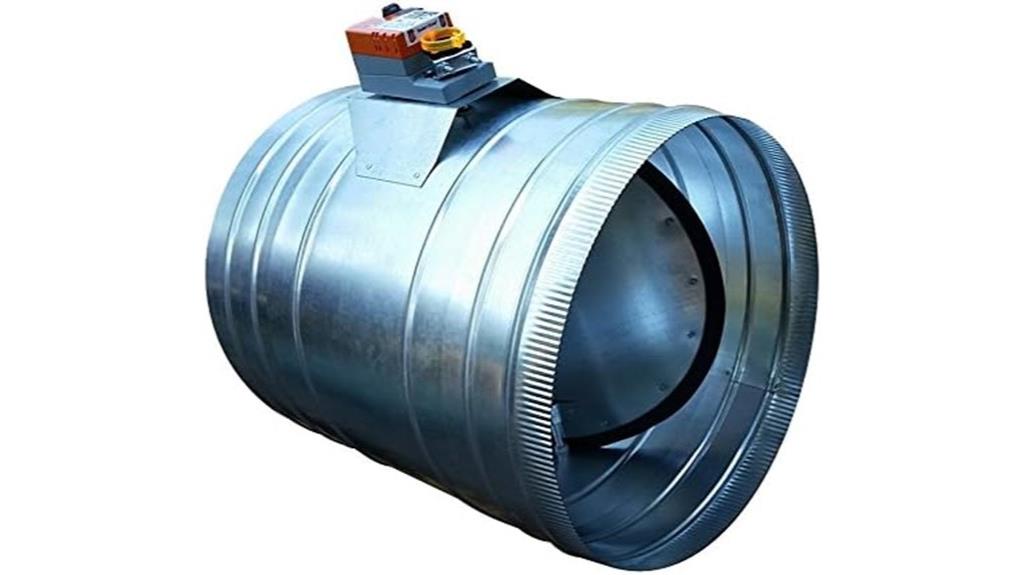
For professionals seeking reliable zone control in commercial HVAC applications, the 16″ Round HVAC Zoning Damper stands out as an excellent choice. It’s a professional-grade damper designed to replace brands like Honeywell, EWC, and Durozone, offering durable, high-quality construction. The full-seal blades minimize leakage, ensuring efficient airflow management. Powered by a BELIMO actuator, it delivers low power consumption and high torque for precise operation. Made in the USA and backed by a 5-year warranty, this damper provides long-term performance and reliability. It’s ideal for both new installations and upgrades, ensuring excellent zone control and energy efficiency.
Best For: HVAC professionals and contractors seeking reliable, durable zone control solutions for commercial heating and cooling systems.
Pros:
- Full-seal blades minimize leakage for efficient airflow.
- Equipped with a high-torque BELIMO actuator for precise operation.
- Made in the USA with a 5-year warranty ensuring long-term durability.
Cons:
- May require professional installation due to its technical nature.
- Larger size (16″) may not be suitable for small or residential systems.
- Limited to applications compatible with round damper configurations.
HVAC Zoning Duct Damper with Starting Collar (14 inch)

Designed for tight spaces, the HVAC Zoning Duct Damper with Starting Collar (14 inch) offers an ultra-low profile that’s ideal for homeowners and professionals seeking efficient zoning solutions without bulky equipment. Its integrated take-off collar simplifies installation, reducing connections and increasing duct system security. Made in the USA, it features full-seal gasket blades for minimal leakage, ribs for easy duct attachment, and a durable, professional-grade build. Powered by a high-torque Belimo motor operating on 24VAC, it provides reliable, quiet operation. With sizes ranging from 6 to 18 inches, this damper combines space efficiency with high performance, making it a top choice for modern HVAC systems.
Best For: homeowners and HVAC professionals seeking space-efficient, reliable zoning dampers for tight installation spaces in residential or commercial duct systems.
Pros:
- Ultra-low profile design ideal for confined spaces, saving installation room
- Integrated take-off collar simplifies connection and enhances duct system security
- Full-seal gasket blades minimize air leakage, improving system efficiency
Cons:
- Limited to 18-inch maximum diameter, which may not suit very large duct systems
- Requires 24VAC power and a high-torque motor, possibly necessitating electrical upgrades
- Slightly higher cost compared to standard dampers due to professional-grade features
Zone Damper 9″ Round HVAC Zoning Damper
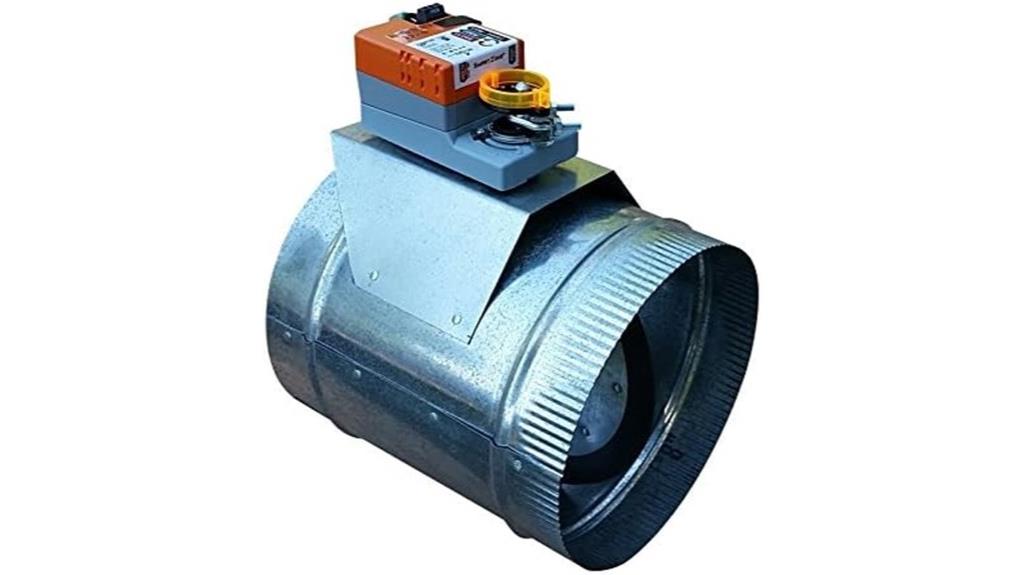
Looking to upgrade your HVAC zoning system with a reliable, high-performance damper? The Zone Damper 9″ Round HVAC Zoning Damper from Ecojay is a professional-grade, heavy-duty option designed for seamless replacement of brands like Honeywell, EWC, and Durozone. Made in the USA, it features a full-seal gasket blade for ultra-low leakage, a high-torque Belimo motor, and easy push-button clutch adjustment. With a compact, durable build and a 5-year warranty, it’s engineered for extreme reliability. Available in various sizes, this damper assures precise zone control, boosting both comfort and efficiency in your HVAC system.
Best For: homeowners or HVAC professionals seeking a durable, high-performance damper for reliable zone control and energy efficiency upgrades.
Pros:
- Heavy-duty, commercial-grade construction for long-lasting reliability
- Ultra-low leakage full-seal gasket blade for improved system efficiency
- Easy push-button clutch adjustment and high-torque motor for precise operation
Cons:
- May be more expensive than basic or lower-grade dampers
- Requires professional installation for optimal performance
- Heavier weight (6 pounds) might need additional support during mounting
Factors to Consider When Choosing HVAC Zoning Systems
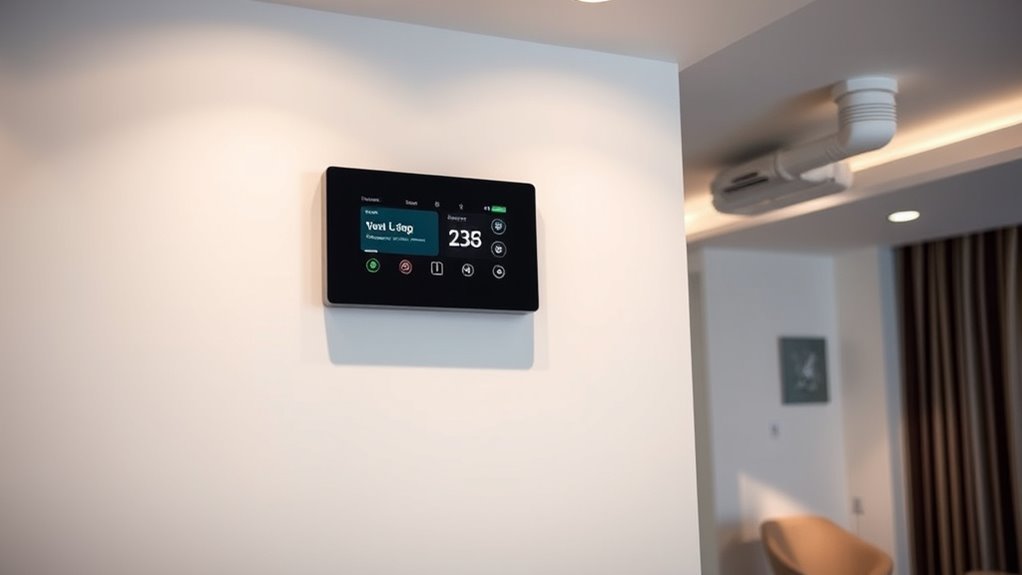
When selecting an HVAC zoning system, I consider how well it will work with my existing setup and ductwork. I also look for reliable, durable options that are easy to install and control. Understanding these factors helps me choose a system that fits my home’s needs and offers seamless operation.
Compatibility With Existing Systems
Ensuring your HVAC zoning system is compatible with your existing setup is crucial for a smooth installation and reliable operation. I always start by checking that the zoning system matches my current HVAC unit’s brand, model, and control protocols to avoid conflicts. It’s also essential to verify support for the electrical specifications, like voltage and current ratings, so everything integrates seamlessly. I make sure the dampers and control boards are designed for my ductwork size and configuration to prevent installation issues. Additionally, I confirm compatibility with my existing thermostat or control system, ensuring proper communication and automation. Lastly, I consider whether the system can be retrofitted easily without extensive modifications, saving time and costs. Compatibility is key to maximizing efficiency and comfort.
Ductwork Configuration Flexibility
Flexible ductwork configurations are essential for installing and adapting HVAC zoning systems in buildings with complex layouts. They make it easier to navigate around structural obstacles and reduce the need for extensive modifications. High-quality dampers and adjustable fittings allow precise airflow control, even in varied duct shapes and sizes. This versatility supports multiple zones with different duct lengths and diameters, boosting system efficiency and occupant comfort. Flexibility also benefits retrofitting projects, as it accommodates existing infrastructure without requiring a complete overhaul. Properly designed flexible duct systems help minimize air leaks and pressure drops, ensuring consistent zoning performance across various configurations. Overall, ductwork flexibility is a key factor for achieving optimal system performance, adaptability, and ease of installation in diverse building designs.
Reliability and Durability
Choosing the right HVAC zoning system means paying close attention to its reliability and durability. I look for systems built with high-quality, corrosion-resistant materials like stainless steel or heavy-duty plastics, ensuring they last over time. It’s essential that components such as dampers and actuators are rated for continuous use and can handle frequent operation without failing. I also check for proven reliability, supported by positive customer reviews and industry certifications, which signals trustworthiness. Systems with tight sealing features, like full-seal blades and gaskets, help prevent air leaks and maintain consistent performance. Ultimately, I prefer systems offering at least a five-year warranty, reflecting manufacturer confidence in their durability and my long-term investment.
Ease of Installation
Selecting an HVAC zoning system that’s easy to install can save you time and reduce frustration. To do so, verify the system is compatible with your existing HVAC units, which makes for a smoother setup. Opt for models with modular components and straightforward wiring—these features cut down on installation complexity. Look for systems that come with detailed instructions and access to support resources; this makes troubleshooting and setup easier. Consider whether professional installation is necessary or if the system is DIY-friendly, based on your skills. Additionally, confirm that the size and connection points align with your ductwork and space constraints. Choosing a system that fits these criteria will help you avoid retrofit issues and ensure a hassle-free installation process.
Control Compatibility and Features
Ensuring your HVAC zoning system is compatible with your existing equipment is essential for smooth operation and reliable performance. I recommend checking that it works with your current compressors, motors, and control boards to prevent integration issues. Make sure the system supports necessary control protocols like 24VAC power and is compatible with smart home technology if you want remote management. Features like full-seal damper blades and low-leakage gaskets improve airflow control and energy efficiency. Precise actuator control, around 18 in-lb torque, ensures reliable damper movement. Additionally, advanced options such as independent zone temperature sensors and programmable schedules provide greater flexibility and customization, ultimately optimizing comfort and efficiency in your home.
Budget and Cost Efficiency
Evaluating the budget and cost efficiency of an HVAC zoning system is essential to making a smart investment. First, I consider initial installation costs, including dampers, controls, and integration with my existing system. Next, I look at potential energy savings over time to see if the system will reduce my utility bills and provide a good return on investment. It’s also important to check if the zoning solution is compatible with my current HVAC equipment to avoid costly upgrades. I review ongoing maintenance and operational costs to ensure the system remains reliable without adding unexpected expenses. Finally, I compare different systems based on their ability to deliver quick ROI through improved energy management, helping me choose a solution that balances upfront costs with long-term savings.
Frequently Asked Questions
How Do Zoning Systems Impact Overall Energy Savings?
Zoning systems substantially boost energy savings by allowing me to control temperatures in different areas independently. I no longer waste energy heating or cooling unused spaces, which lowers my utility bills. By adjusting zones based on my schedule and preferences, I optimize comfort while reducing overall energy consumption. This targeted approach makes my home more efficient and environmentally friendly, all while maintaining a comfortable living environment.
Can Existing HVAC Systems Be Retrofitted With Zoning Technology?
Yes, existing HVAC systems can be retrofitted with zoning technology. I’ve done this myself and found it’s a practical way to improve comfort and efficiency without replacing the entire system. Usually, it involves installing dampers, zone controllers, and thermostats. I recommend consulting a professional to guarantee compatibility and proper installation. This upgrade can make a noticeable difference in managing your home’s temperature and energy use.
What Maintenance Is Required for HVAC Zoning Dampers?
Imagine your HVAC zoning dampers as the unsung heroes of your comfort, much like a trusty sidekick. I check and clean the dampers regularly to prevent dust buildup and confirm smooth operation. I also inspect the actuators for proper movement and lubricate moving parts when needed. Replacing any faulty dampers or actuators keeps my system running efficiently. Routine maintenance like this keeps my home cozy and my system in top shape.
Are Zoning Systems Suitable for Small Residential Homes?
Yes, zoning systems are suitable for small residential homes. I’ve installed them in cozy spaces to improve comfort and save energy. They allow me to control temperatures in different rooms or zones, preventing unnecessary heating or cooling. Even in smaller homes, zoning can make a big difference by enhancing comfort and reducing utility bills. If you want personalized climate control, I definitely recommend considering a zoning system for your home.
How Do Zoning Systems Improve Indoor Air Quality?
Zoning systems improve indoor air quality by precisely controlling airflow to different areas, reducing pollutants and allergens. I’ve seen how they help by allowing me to target ventilation and filtration where needed most, preventing stale air buildup. This focused approach minimizes dust, mold, and other irritants, creating a cleaner, healthier environment. Plus, with better airflow management, I notice improved comfort and freshness throughout my home.
Conclusion
Did you know that properly zoned HVAC systems can cut energy bills by up to 30%? Choosing the right zoning system not only boosts comfort but also saves you money. With options like high-velocity systems and versatile dampers, you can customize your home’s climate precisely. Investing in a quality zoning solution is a smart move—your comfort and wallet will thank you. Don’t settle for uneven temperatures; upgrade today for a more efficient, cozy home.