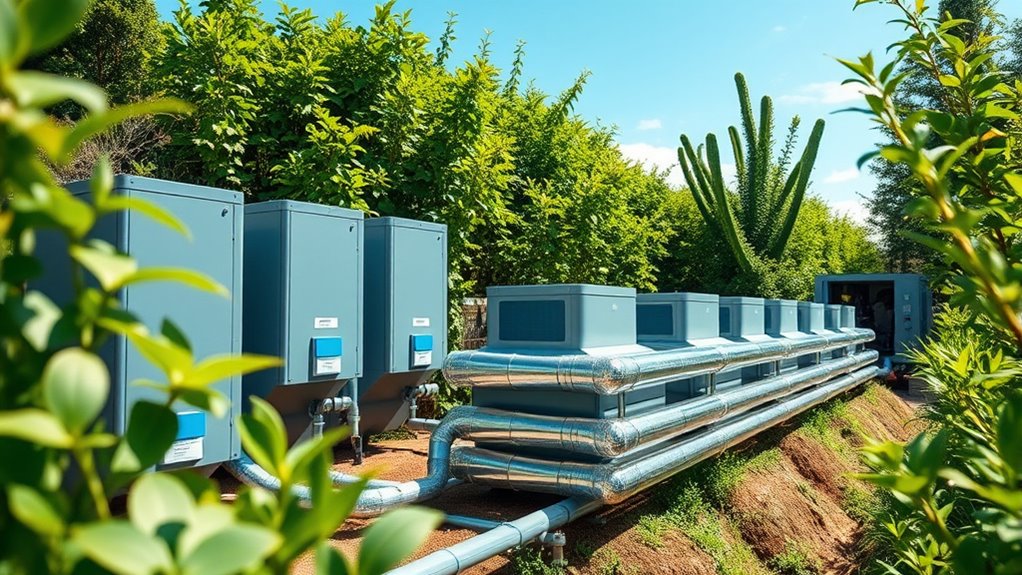

Choosing the right water source heat pump system can significantly impact your energy savings and comfort. In 2026, two standout options emerge: the Inverter Pool Heat Pump for pools up to 16,000 gallons, known for its efficiency and smart controls, and the Runtru by Trane 3.5 Ton Heat Pump System, favored for its durability and compact design. Each offers unique benefits but also involves specific tradeoffs—whether it’s installation complexity, capacity limits, or noise levels—that influence which is best suited for your needs.

Get backup power and energy gear delivered free — and shop member deals
- Fast, free delivery on millions of items
- Access to Prime Big Deal Days deals on October 6–7
- Prime Video, Amazon Music and more included
Complete the kit


Key Takeaways
- The inverter pool heat pump excels in energy efficiency and smart home integration but is limited to pools up to 16,000 gallons.
- The Trane 3.5-ton system offers durability and quiet operation, ideal for tight spaces, but requires professional installation and lacks detailed efficiency metrics.
- Both systems serve different roles: one for pool heating and cooling, the other as a versatile heat pump suitable for space heating or cooling.
- Installation and capacity are key considerations—choose based on your space size, pool volume, and comfort preferences.
- Tradeoffs include cost and complexity versus specialized features and build quality.
| Inverter Pool Heat Pump for Above-Ground and Inground Pools up to 16,000 Gallons |  | Best Overall Pool Water Source Heat Pump | Pool Capacity: Up to 16,000 gallons | Heating Capacity: 55,000 BTU/h | Cooling Range: 59°F–109.4°F | VIEW ON AMAZON | See Our Full Breakdown |
| Runtru by Trane 3.5 Ton Heat Pump System Condenser and Air Handler | 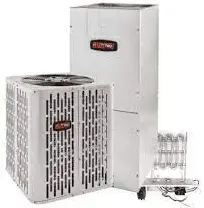 | Best Versatile Water Source Heat Pump System | Capacity: 3.5 Ton | Type: Heat Pump System | Condenser Coils: All-aluminum | VIEW ON AMAZON | See Our Full Breakdown |
| water source heat pump system | Pool Capacity | Heating Capacity | Cooling Range | Heating Range |
|---|---|---|---|---|
| Inverter Pool Heat Pump for Ab | Up to 16,000 gallons | 55,000 BTU/h | 59°F–109.4°F | 5°F–104°F |
| Runtru by Trane 3.5 Ton Heat P | — | — | — | — |
More Details on Our Top Picks
Inverter Pool Heat Pump for Above-Ground and Inground Pools up to 16,000 Gallons
This inverter pool heat pump stands out for its high energy efficiency, thanks to inverter technology that delivers a COP of up to 16.0. Its ability to heat and cool pools up to 16,000 gallons makes it ideal for homeowners with mid-sized pools seeking cost-effective operation. The WiFi control via the Smart Life app offers convenient management, while the quiet operation at 52 dB makes it suitable for residential settings. The durable titanium heat exchanger ensures reliable outdoor use, but proper installation is essential to maximize performance. Compared to traditional pool heaters, this model’s inverter tech reduces energy costs over time, though it comes at a higher upfront price and is limited to smaller pools.
Pros:- High COP for low operating costs
- Smart WiFi control for convenience
- Quiet operation suitable for residential areas
- Durable titanium heat exchanger
Cons:- Installation requires technical expertise
- Higher initial cost compared to traditional heaters
- Limited to pools up to 16,000 gallons
Best for: Pool owners seeking energy-efficient, remotely controllable heating and cooling for medium-sized pools
Not ideal for: Large pools exceeding 16,000 gallons or those requiring extremely quiet operation below 50 dB
- Pool Capacity:Up to 16,000 gallons
- Heating Capacity:55,000 BTU/h
- Cooling Range:59°F–109.4°F
- Heating Range:5°F–104°F
- COP:up to 16.0
- Noise Level:52 dB(A)
Our verdict“This pick makes the most sense for homeowners with medium-sized pools prioritizing energy efficiency and remote control features.”
Runtru by Trane 3.5 Ton Heat Pump System Condenser and Air Handler
The Runtru 3.5-ton system offers a reliable, durable solution for space heating and cooling, with all-aluminum coils that resist corrosion and a quiet operation at 76 dB. Its compact size makes it suitable for tighter spaces or smaller properties, and the factory-installed flow control simplifies installation. While its robustness and suitability for various applications stand out, it lacks detailed efficiency metrics, making it harder to compare energy savings directly. The absence of specific price info and the need for professional installation are notable considerations. Compared with specialized pool heaters, this system is more versatile but may involve higher upfront complexity.
Pros:- Quiet operation at 76 dB
- All-aluminum coils for durability
- Compact size for tight spaces
- Factory-installed flow control
Cons:- Lacks detailed energy efficiency data
- Requires professional installation
- No specific price information available
Best for: Homeowners needing a durable, space-conditioning system for smaller or tight spaces
Not ideal for: Large properties requiring high-capacity heating or cooling, or buyers seeking detailed efficiency data
- Capacity:3.5 Ton
- Type:Heat Pump System
- Condenser Coils:All-aluminum
- Operation Noise:76 dB
- Fan Motors:Multi-speed
- Assembly Location:Vidalia, Georgia
Our verdict“This model is perfect for those who prioritize durability and quiet operation in a space-conditioning system, especially where space is limited.”

How We Picked
Our selection process focused on matching each system’s technical features with real-world homeowner needs. We prioritized energy efficiency, durability, ease of control, and suitability for different applications—whether for pool heating or space conditioning. We compared specs such as capacity, noise levels, and build quality, while also considering installation requirements and overall value. The goal was to highlight options that stand out in specific scenarios, providing clarity on tradeoffs to help buyers make informed decisions.
Factors to Consider When Choosing Water Source Heat Pump System
Choosing the right water source heat pump system depends heavily on your specific needs—whether you’re heating a pool, space, or both. The key considerations include capacity, energy efficiency, noise levels, installation complexity, and durability. Understanding these factors helps ensure you select a system that provides reliable performance and good value over time.
Capacity and Application
Assess the size of your pool or space to determine capacity needs. Pool systems like the inverter heat pump are designed for specific volume ranges, while space-conditioning units like the Trane system are rated by tons. Matching the system capacity to your requirements prevents energy waste and ensures effective heating or cooling.
Energy Efficiency and Operating Costs
Look for models with high COP ratings, which indicate better efficiency. Inverter technology, like in the first product, reduces energy use during partial load conditions. For space systems, detailed efficiency metrics may be less transparent, so considering energy savings over time is essential. Keep in mind that higher efficiency often comes with a higher initial investment but can reduce operational costs.
Noise and Installation
If noise levels matter—say, for residential backyards or living spaces—pay attention to decibel ratings. The inverter pool heat pump operates quietly at 52 dB, making it suitable for outdoor residential areas. Conversely, the Trane system produces 76 dB, which might be acceptable in less noise-sensitive environments. Installation complexity varies; professional setup is typically necessary for space conditioners, while pool systems might require precise placement for optimal efficiency.
Durability and Maintenance
Materials like titanium heat exchangers or all-aluminum coils enhance durability, especially in outdoor or humid environments. Consider the warranty and ease of maintenance—models with corrosion-resistant parts tend to last longer and require fewer repairs. Balancing upfront costs against long-term reliability is key when choosing between these options.
Frequently Asked Questions
Can a water source heat pump system work for both heating and cooling?
Yes, many water source heat pump systems are designed to provide both heating and cooling functions, making them versatile solutions for year-round climate control. The inverter pool heat pump, for instance, can cool pools during hot months and heat them during colder periods. Similarly, space conditioning models like the Trane system can be configured for both heating and cooling, depending on your setup and needs.
What size water source heat pump do I need for my pool or space?
Determining the right size involves knowing your pool’s volume or your space’s square footage. The inverter pool heat pump is rated for pools up to 16,000 gallons, making it suitable for medium-sized pools. For space heating or cooling, a 3.5-ton system like the Trane model generally covers small to medium-sized homes or specific zones. Oversizing can lead to inefficiency, while undersizing might result in inadequate heating or cooling.
How important is energy efficiency in choosing a water source heat pump?
Energy efficiency directly impacts ongoing operational costs and environmental impact. High COP ratings, inverter technology, and durable components contribute to lower energy bills over time. While initial costs might be higher, choosing a more efficient system typically results in savings, especially for long-term use. It’s advisable to compare efficiency metrics and consider your local energy rates when selecting a model.
Is professional installation necessary for these systems?
Most water source heat pump systems require professional installation to ensure optimal performance and safety. Proper connection to water sources, electrical wiring, and integration with existing systems are critical steps that demand expertise. For the pool heat pump, correct placement and plumbing are key, while space-conditioning units like the Trane system need precise sizing and ductwork adjustments. Always plan for professional setup to avoid costly mistakes.
What maintenance do these systems require?
Regular maintenance typically includes cleaning or replacing filters, inspecting coils, and checking refrigerant levels. The durability of materials such as titanium heat exchangers or aluminum coils reduces the frequency of repairs. Routine inspections and keeping the area around outdoor units clear help maintain efficiency. Following manufacturer guidelines ensures longevity, especially for outdoor or high-use systems.
Conclusion
If you primarily need a reliable pool heater with energy savings and smart controls, the inverter pool heat pump is an excellent choice. For those seeking a versatile, durable system for space heating or cooling in tighter spaces, the Trane 3.5-ton system offers strong build quality and quiet operation. Your decision should hinge on the intended application, capacity needs, and whether energy efficiency or installation complexity is more critical for your situation.
Halloween Picks
halloween
As an affiliate, we earn on qualifying purchases.