
Understanding the balance between sensible and latent loads is key to achieving true indoor comfort. Sensible load impacts temperature you can feel with a thermometer, while latent load affects moisture and humidity. If you focus only on cooling or heating without managing humidity, you’ll still feel uncomfortable. Modern HVAC systems now precisely control both, optimizing energy use and comfort. Keep exploring to discover how balancing these loads can transform your indoor environment.
Key Takeaways
- Proper load split ensures efficient HVAC operation by balancing temperature control with humidity management.
- Ignoring latent load can cause discomfort, mold growth, and property damage despite correct temperature regulation.
- Modern HVAC systems can precisely adjust sensible and latent loads, optimizing comfort and energy use.
- Overemphasis on sensible load alone may lead to overcooling or overheating without moisture control.
- Balancing both loads prevents unnecessary energy costs and maintains healthier indoor air quality.

Have you ever wondered how HVAC systems efficiently manage indoor comfort? At the heart of it lies the split between sensible and latent loads — two critical factors that determine how well your space feels. Understanding this split can transform the way you think about climate control, especially when it comes to humidity control and maintaining thermal comfort. Sensible load is straightforward: it’s the heat you can feel and measure with a thermometer. This includes outside temperature, internal heat gains from appliances, lighting, and even your body heat. When these sources increase, your HVAC system ramps up to remove that excess heat, ensuring the room stays at your desired temperature. But focusing solely on the sensible load isn’t enough to guarantee comfort because it ignores the moisture aspect.
That’s where latent load comes into play. Latent load deals with moisture in the air — the humidity that makes a space feel damp or stuffy. Even if the temperature feels comfortable, high humidity can cause discomfort, promote mold growth, and damage property. Conversely, overly dry air can cause irritation and respiratory issues. To achieve true thermal comfort, your HVAC system must effectively control both sensible and latent loads. Think of humidity control as balancing the moisture in the air; it’s a key component of comfort because it affects how you perceive temperature. When humidity levels are high, the air feels warmer than it actually is, leading to discomfort. When they’re low, you might feel cold and experience dry skin or respiratory irritation.
Latent load controls moisture, preventing discomfort, mold, and damage, essential for true thermal comfort and indoor air quality.
Your HVAC system’s ability to split these loads correctly influences its efficiency and your comfort. If it only tackles the sensible load, it might cool or heat the air without addressing humidity, leaving you with an uncomfortable environment despite the temperature reading. Proper load split allows for targeted dehumidification or humidification, which prevents overcooling or overheating. This precision not only enhances comfort but also improves energy efficiency. When you get the balance right, you avoid unnecessary operation — saving energy and reducing costs. Additionally, managing both loads effectively can help prevent issues like mold growth caused by excess moisture, which is especially relevant in environments with microplastics in dust. Understanding the sensible-vs-latent load split can aid in designing more effective climate control systems tailored to specific environments.
In essence, understanding the sensible-vs-latent load split reveals why some spaces always feel perfect while others don’t. It highlights the importance of humidity control and the necessity of managing both thermal and moisture comfort. Recognizing that humidity regulation plays a crucial role in indoor comfort can help you make smarter choices about your environment. Properly balancing these loads requires precise control systems that adapt to changing conditions, which is why modern HVAC technology is so vital. When your HVAC system balances these loads effectively, you experience a space that feels just right — cool enough, dry enough, and comfortable enough.
HVAC system with humidity control
As an affiliate, we earn on qualifying purchases.
As an affiliate, we earn on qualifying purchases.
Frequently Asked Questions
How Does Climate Impact Sensible and Latent Load Calculations?
Climate impacts your sensible and latent load calculations by influencing indoor humidity and temperature. In hotter, humid climate zones, you’ll see higher latent loads due to increased moisture, requiring more dehumidification. Conversely, in cooler, dry zones, sensible loads dominate because temperature control is the primary concern. You need to adjust your calculations based on local climate conditions to accurately size HVAC systems and maintain comfort.
What Are Common Mistakes in Split Load Analysis?
About 60% of split load analysis errors stem from misjudging the balance between sensible and latent loads, impacting thermal comfort and energy efficiency. Common mistakes include ignoring local climate variations, oversimplifying moisture loads, and neglecting dynamic occupancy patterns. These errors can lead to oversized systems, increased energy bills, and discomfort. To avoid them, accurately measure environmental conditions and consider all moisture sources for precise load calculations.
How Can Building Design Optimize Load Splits?
You can optimize load splits by implementing effective thermal zoning and ventilation strategies. Design your building with distinct zones that match usage patterns, reducing unnecessary load overlap. Use targeted ventilation to control humidity and temperature precisely, minimizing latent loads. This approach improves energy efficiency and comfort, ensuring sensible and latent loads are balanced effectively. Proper zoning and ventilation allow your system to respond dynamically, preventing overcooling or overheating, and optimizing overall performance.
What Tools Are Best for Accurate Load Calculations?
Think of your tools as a compass guiding your building’s comfort. You’ll want software like Carrier HAP or Trane Trace to precisely calculate loads, considering thermostat calibration and insulation effectiveness. These tools act as your map, revealing how to balance sensible and latent loads. By accurately evaluating these factors, you guarantee ideal energy efficiency, comfort, and system performance, steering your project toward success with confidence and clarity.
How Does Occupancy Affect Sensible vs. Latent Loads?
Occupancy affects sensible and latent loads considerably through patterns and density. When more people occupy a space, latent loads increase due to moisture from respiration and activity, while sensible loads rise from heating or cooling needs caused by body heat. Effective ventilation strategies help manage these loads by controlling air exchange, removing excess moisture, and enhancing comfort. Monitoring occupancy patterns allows you to adjust systems dynamically for energy efficiency and ideal indoor conditions.

ToLife Dehumidifier for Home 95 OZ Water Tank, 1000 sq.ft Dehumidifiers for Basement Bedroom Bathroom with Auto Shut Off 7 Colors LED Light, Grey
Upgrade High Efficient Dehumidification: ToLife dehumidifier utilize semiconductor condensation technology, ensuring quiet operation while effectively extracting moisture from…
As an affiliate, we earn on qualifying purchases.
As an affiliate, we earn on qualifying purchases.
Conclusion
Now that you understand the incredible power of splitting sensible and latent loads, you can revolutionize your approach to HVAC design. Imagine eliminating energy waste, slashing costs, and creating the perfect indoor climate—effortlessly. This isn’t just a small tweak; it’s a game-changer that can transform your entire building’s efficiency and comfort. Don’t settle for less—embrace the split and open a future where your HVAC system works smarter, not harder, forever changing the game!

LEVOIT Top Fill Humidifiers for Bedroom, 2.5L Tank for Large Room, Easy to Fill & Clean, 28dB Quiet Cool Mist Air Humidifier for Home Baby Nursery & Plants, Auto Shut-off for Safety, 25H
𝙁𝙖𝙨𝙩 𝙃𝙪𝙢𝙞𝙙𝙞𝙛𝙞𝙘𝙖𝙩𝙞𝙤𝙣 𝘼𝙡𝙡 𝙉𝙞𝙜𝙝𝙩: Runs for up to 25 hours on low thanks to its SUPER LARGE capacity…
As an affiliate, we earn on qualifying purchases.
As an affiliate, we earn on qualifying purchases.
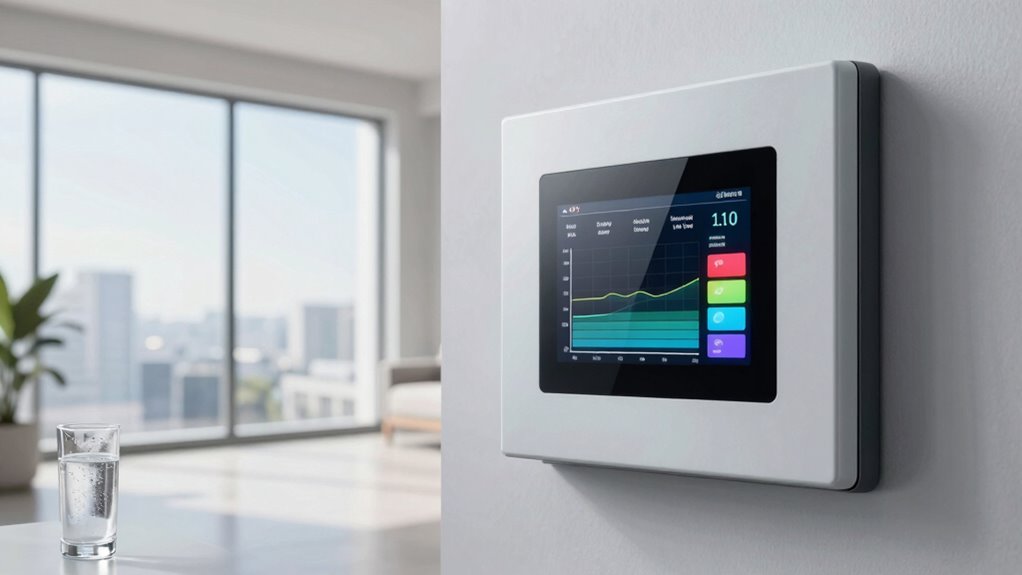
smart thermostat with humidity sensor
As an affiliate, we earn on qualifying purchases.
As an affiliate, we earn on qualifying purchases.