
Fed up with enduring the sweltering heat of summer? We’ve got you covered! In this article, we’re going to unveil three crucial solutions to problems with your air conditioning heat pump.

Get backup power and energy gear delivered free with Prime
- Fast, free delivery on millions of items
- Prime Video, Amazon Music and more included
- Member-only deals all year
Our goal is to provide practical solutions to keep you and your loved ones cool and comfortable. From troubleshooting heating problems to fixing cooling issues, we’ll guide you through the process step-by-step.
So sit back, relax, and let us help you enjoy a refreshing and worry-free summer!
Key Takeaways
- Malfunctioning compressors and troubleshooting techniques are common heat pump problems that need to be addressed.
- Inspecting for damage or wear and tear is important in identifying and fixing heat pump issues.
- Insufficient airflow and dirty filters can cause heating issues, so regularly checking and replacing air filters is crucial.
- Professional help should be sought for refrigerant leaks and electrical problems, while thermostat settings and batteries should be checked for cooling problems.
Common Heat Pump Problems
We often encounter malfunctioning compressors as a common heat pump problem. Proper heat pump maintenance is crucial to prevent such issues. Regularly cleaning and inspecting the compressor can help identify any potential problems early on. Troubleshooting techniques can also be employed to diagnose and fix compressor malfunctions. This may include checking the electrical connections, testing the capacitor, and ensuring proper refrigerant levels. Additionally, it’s important to inspect the compressor for any signs of damage or wear and tear. By addressing these issues promptly, you can avoid more serious damage to the heat pump system.

Now that we’ve discussed common heat pump problems, let’s transition into the next section where we’ll explore troubleshooting heating issues.
Troubleshooting Heating Issues
To address heating issues, we’ll explore troubleshooting techniques and potential solutions. Here are four common problems that can arise with heat pumps and their corresponding fixes:
-
Insufficient airflow: Check the air filters and clean or replace them if necessary. Dirty filters can restrict airflow and reduce heating efficiency.
-
Thermostat issues: Ensure that the thermostat is set to the desired temperature and in the correct mode (heating). If the thermostat isn’t functioning properly, consider replacing it.

-
Refrigerant leaks: Low refrigerant levels can affect the heat pump’s ability to generate heat. A certified technician should be called to locate and repair any refrigerant leaks.
-
Electrical problems: Faulty wiring or malfunctioning components can cause heating issues. It’s essential to have a professional inspect and repair any electrical problems to ensure safe and efficient operation.
Regular heat pump maintenance and prompt heat pump repair can help prevent and address heating issues, ensuring optimal performance and comfort in your home.
Fixing Cooling Problems
One common cooling problem that can occur with air conditioning heat pumps is inadequate airflow, which can be caused by a dirty or clogged air filter. To ensure proper cooling system maintenance and prevent this issue, it is essential to regularly clean or replace the air filter. Additionally, other cooling problems can arise, such as refrigerant leaks or faulty thermostats. If you suspect a refrigerant leak, it is best to contact a professional for air conditioning repair. Another cooling problem that may be easily fixed is a malfunctioning thermostat. Check the settings and batteries of the thermostat to ensure they are correct and functioning properly. By addressing these common cooling problems, you can ensure your air conditioning heat pump provides efficient and reliable cooling year-round.

| Common Cooling Problems | Potential Causes |
|---|---|
| Inadequate airflow | Dirty or clogged air filter |
| Refrigerant leaks | Damaged or worn-out components |
| Faulty thermostat | Incorrect settings or faulty wiring |
Frequently Asked Questions
How Often Should I Schedule Maintenance for My Heat Pump?
We recommend scheduling maintenance for your heat pump at least once a year to ensure optimal heat pump performance. Regular maintenance helps identify and fix any issues early on, improving efficiency and extending its lifespan.
Can I Use My Heat Pump During Extremely Cold Weather Conditions?
Yes, you can use your heat pump during extremely cold weather conditions. Despite the misconception that heat pumps don’t work well in the cold, they actually provide efficient heating and offer numerous benefits in low temperatures.
What Size Heat Pump Do I Need for My Home?
When considering heat pump sizing for your home, it is important to determine the heat pump capacity needed. Factors such as square footage, insulation, and climate must be considered to ensure optimal performance and efficiency.
How Long Does a Heat Pump Typically Last Before Needing to Be Replaced?
Heat pumps typically last around 15 to 20 years before needing replacement. Signs of a failing heat pump include reduced heating or cooling capacity, strange noises, and frequent breakdowns. Regular maintenance can extend its lifespan.
What Can I Do to Improve the Energy Efficiency of My Heat Pump?
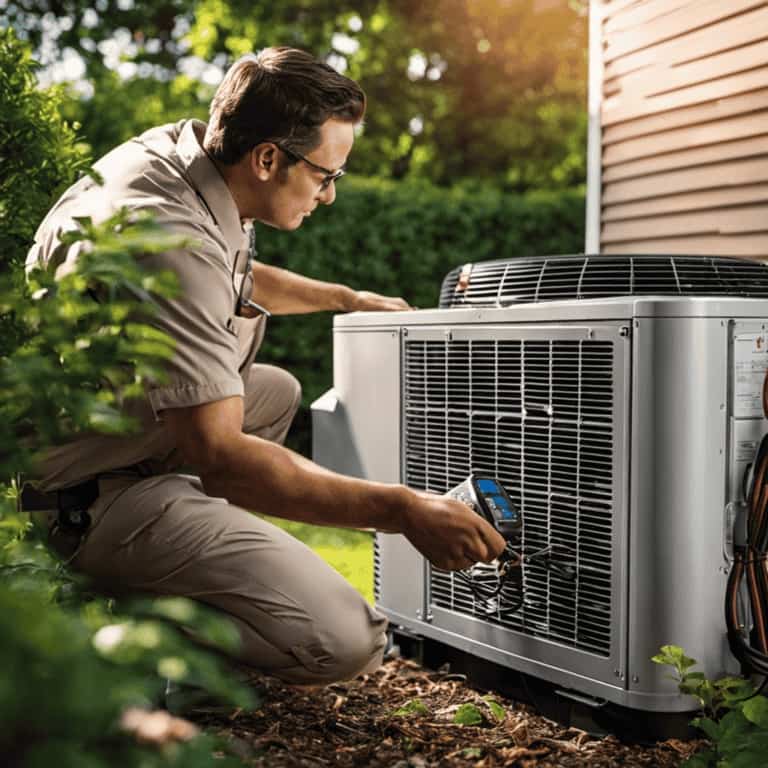
To improve the energy efficiency of our heat pump, we can perform regular heat pump maintenance and troubleshooting. By keeping the system clean, checking for leaks, and ensuring proper airflow, we can maximize its efficiency and save on energy costs.
Conclusion
In conclusion, maintaining a properly functioning air conditioning heat pump is crucial for a comfortable indoor environment. By addressing common heat pump problems, troubleshooting heating issues, and fixing cooling problems, you can ensure efficient and reliable performance.
Just like a well-oiled machine, a well-maintained heat pump will keep your home cool in the summer and warm in the winter, creating a soothing oasis amidst the heat or chill outside.
Halloween Picks
halloween
As an affiliate, we earn on qualifying purchases.