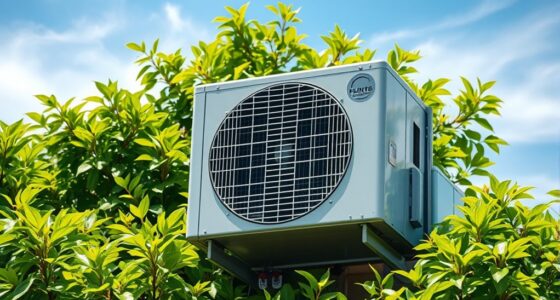

The real difference between comfort cooling and fast cooling lies in their purpose and operation. Comfort cooling maintains a steady, moderate temperature for long-term comfort and energy efficiency, while fast cooling targets quick temperature drops during heat spikes for immediate relief. Fast cooling uses higher energy in short bursts, which can increase costs and wear on your system. If you want to understand which method suits your needs best, keep exploring the details below.

Get backup power and energy gear delivered free — and shop member deals
- Fast, free delivery on millions of items
- Access to Prime Big Deal Days deals on October 6–7
- Prime Video, Amazon Music and more included
Key Takeaways
- Comfort cooling maintains a steady, moderate temperature for long-term comfort, while fast cooling rapidly lowers temperature during heat spikes.
- Comfort cooling operates at lower, consistent energy levels; fast cooling uses higher bursts, increasing energy consumption temporarily.
- Comfort cooling systems are generally more cost-effective for ongoing use; fast cooling units may involve higher upfront and maintenance costs.
- Comfort cooling is ideal for sustained comfort and efficiency; fast cooling provides immediate relief but can reduce system lifespan with frequent use.
- Choosing between them depends on balancing long-term energy savings versus urgent temperature reduction needs.
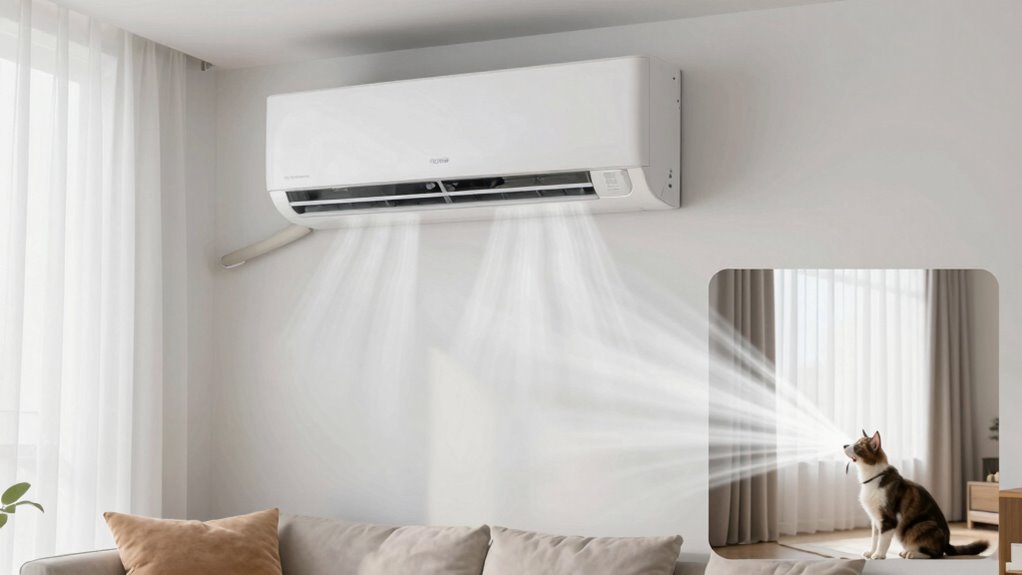
When it comes to cooling your home, understanding the difference between comfort cooling and fast cooling can help you make smarter decisions. Comfort cooling focuses on maintaining a steady, moderate temperature throughout your living space. It’s designed to create a consistent environment where you feel comfortable without sudden temperature swings. This method often uses energy efficiently because the system runs at a steady, lower capacity, avoiding excessive energy consumption. If you prioritize long-term savings and want to keep your energy bills manageable, comfort cooling is usually the better choice. Additionally, installation costs for comfort cooling systems tend to be moderate since they’re designed to operate continuously over time, with components optimized for low energy use. Proper smart thermostat setup can further enhance these energy savings by optimizing your cooling cycles. A well-maintained heat pump with advanced features can also improve the efficiency of comfort cooling systems, especially in varying climates.
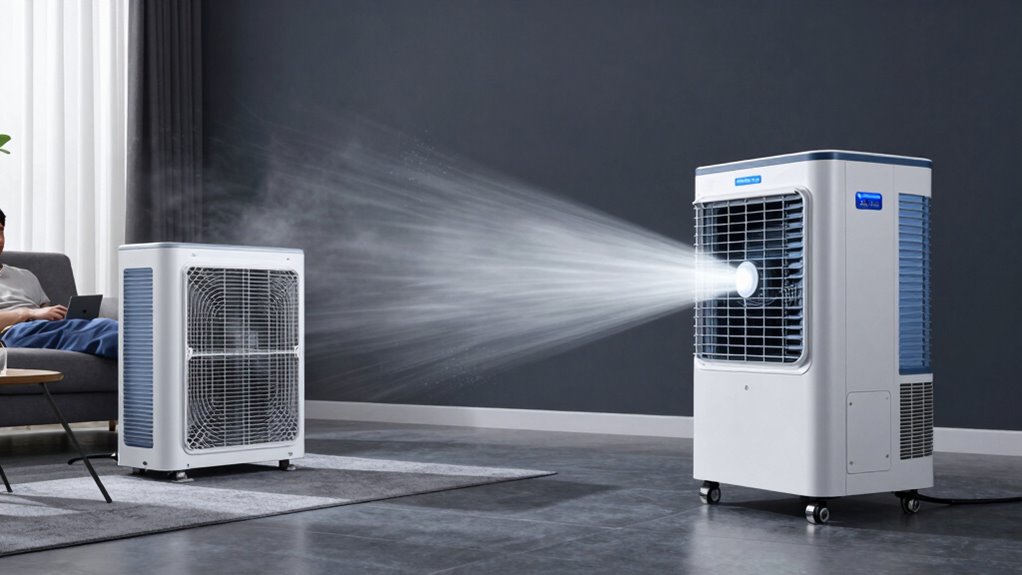
Fast cooling, on the other hand, is all about rapid temperature reduction. When the heat becomes unbearable or unexpected heatwaves hit, you want quick relief, and fast cooling delivers just that. These systems ramp up their power to cool your space as quickly as possible, often using higher energy levels in a short burst. This approach can lead to higher energy consumption during those periods, which might not be ideal if you’re concerned about energy efficiency or your monthly utility bills. Installation costs for fast cooling units can vary, but they often involve more powerful equipment or additional components to achieve rapid cooling, potentially increasing upfront expenses. While it’s tempting to rely on fast cooling during heat emergencies, overusing it can drain your energy budget and reduce the lifespan of your cooling system. Being aware of system capacity and its impact on energy use can help you make more informed choices about when to use fast cooling modes. In addition, understanding cooling system types can assist you in selecting the most suitable system for your specific needs.
Ultimately, your choice depends on your priorities. If you want a reliable, energy-efficient system that keeps your home comfortable consistently, comfort cooling is your best bet. It’s designed for efficiency and long-term savings, even if it takes a little longer to reach your desired temperature. If you’re looking for immediate relief during rare heat spikes and don’t mind higher energy use temporarily, fast cooling can be a practical solution. Just keep in mind that frequent reliance on fast cooling might lead to increased installation costs over time, especially if your system needs to be upgraded or maintained more often. Knowing these differences helps you weigh the benefits and trade-offs, ensuring you choose the cooling method that best suits your needs and budget.
energy-efficient heat pump for home
As an affiliate, we earn on qualifying purchases.
As an affiliate, we earn on qualifying purchases.
Frequently Asked Questions
Which Cooling Method Is More Energy-Efficient?
Comfort cooling is generally more energy-efficient because it maintains a steady, moderate temperature, reducing energy consumption and minimizing environmental impact. Fast cooling, on the other hand, uses more energy as it rapidly lowers the temperature, often leading to higher energy bills and greater environmental harm. If you want to save energy and reduce your carbon footprint, sticking to comfort cooling is the smarter choice for sustained, eco-friendly cooling.
Can Comfort Cooling Handle Rapid Temperature Drops?
While comfort cooling offers a gentle, steady approach to temperature regulation, it’s not designed for rapid cooling. If you need quick relief from sudden heat, comfort cooling might feel a bit restrained, like a calming tide compared to a swift gust. For rapid cooling, fast cooling methods are better suited, providing the swift temperature drops you desire. Comfort cooling is more about consistent comfort than immediate, rapid temperature changes.
Are There Specific Room Sizes Suited for Fast Cooling?
Fast cooling works best in small to medium-sized rooms where quick temperature drops are needed. Larger spaces may not cool as effectively with fast cooling, as the cooling power could be insufficient to reach the desired temperature efficiently. For the best cooling effectiveness, choose fast cooling settings for rooms under about 300 square feet. For bigger rooms, consider units with higher capacity or multiple units to guarantee even and effective cooling.
How Do Maintenance Requirements Differ Between the Two?
Like tending to a trusted friend, your cooling system needs regular care. Fast cooling units generally require more frequent maintenance because they operate intensely, leading to quicker wear. You should expect more frequent maintenance visits, including filter replacements, to keep performance ideal. Comfort cooling units, on the other hand, demand less frequent attention, with longer intervals between filter replacements and routine checks, ensuring smooth, energy-efficient operation over time.
Which Cooling Type Is More Cost-Effective Long-Term?
Comfort cooling is generally more cost-effective long-term because it balances energy consumption with consistent temperature control, reducing overall costs. Fast cooling may seem appealing for quick relief, but it often consumes more energy, leading to higher expenses over time. Conducting a thorough cost analysis helps you weigh initial investment against ongoing energy costs, ensuring you choose the cooling type that saves you money in the long run.
smart thermostat for cooling systems
As an affiliate, we earn on qualifying purchases.
As an affiliate, we earn on qualifying purchases.
Conclusion
So, next time you’re choosing between comfort and fast cooling, remember it’s not just about temperature—it’s about what your body and mind need most at that moment. Sometimes, it’s a coincidence that a quick cool-down helps you focus, while other times, settling in for comfort keeps you relaxed all day. Either way, understanding the difference guarantees you get exactly what you need, turning a simple choice into a smarter, more satisfying experience.
high-capacity portable air conditioner
As an affiliate, we earn on qualifying purchases.
As an affiliate, we earn on qualifying purchases.
fast cooling window air conditioner
As an affiliate, we earn on qualifying purchases.
As an affiliate, we earn on qualifying purchases.
Fall Picks
fall essentials
As an affiliate, we earn on qualifying purchases.