You can considerably quiet your cooling system without replacing it by making simple upgrades and adjustments. Start by inspecting for loose or worn fan blades and tighten or replace them to reduce noise. Adding sound-dampening materials around equipment can also absorb vibrations. Upgrading to variable-speed fans and installing smart thermostats helps lower operation speeds, cutting noise and saving energy. Improving filters and sealing ducts reduce strain and sound transmission. If you’re curious about more effective strategies, you’ll find tips that make your system quieter without major overhauls.
Key Takeaways
- Upgrade to variable speed fans to operate at lower, quieter speeds without replacing the entire system.
- Install sound-dampening materials around existing HVAC components to reduce noise transmission.
- Use smart thermostats to fine-tune cooling and minimize unnecessary fan operation.
- Improve airflow by sealing ducts and replacing dirty filters for quieter, more efficient operation.
- Consult professionals for targeted upgrades like quieter compressors or fan speed adjustments.

Upgrading your cooling system can substantially improve your comfort and reduce noise disruptions, especially if your current setup is loud or inefficient. You don’t always need to replace your entire system to enjoy a quieter, more energy-efficient environment. Small adjustments and upgrades can make a big difference, saving you money while enhancing your comfort. One of the most effective ways to achieve this is by focusing on noise reduction. Modern components and strategic modifications can significantly diminish the racket your current system produces, making your space more peaceful.
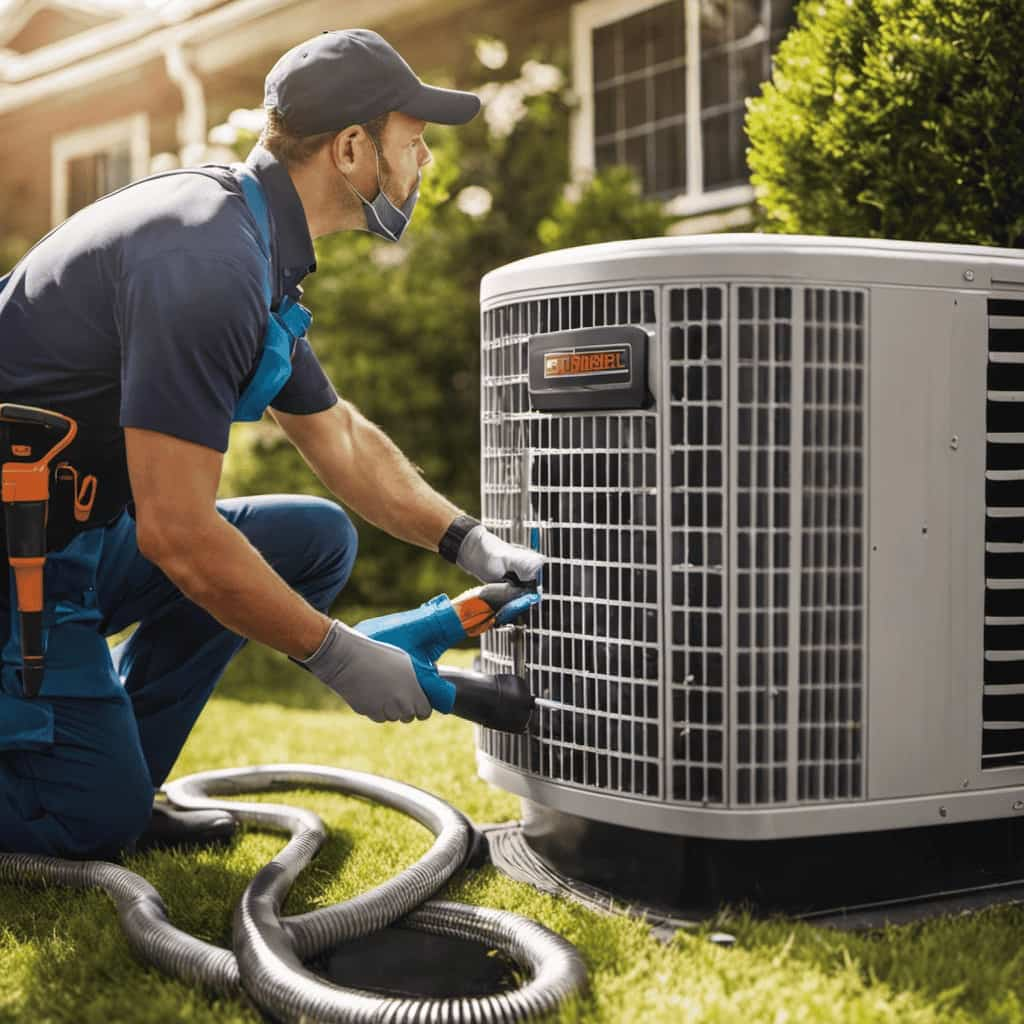
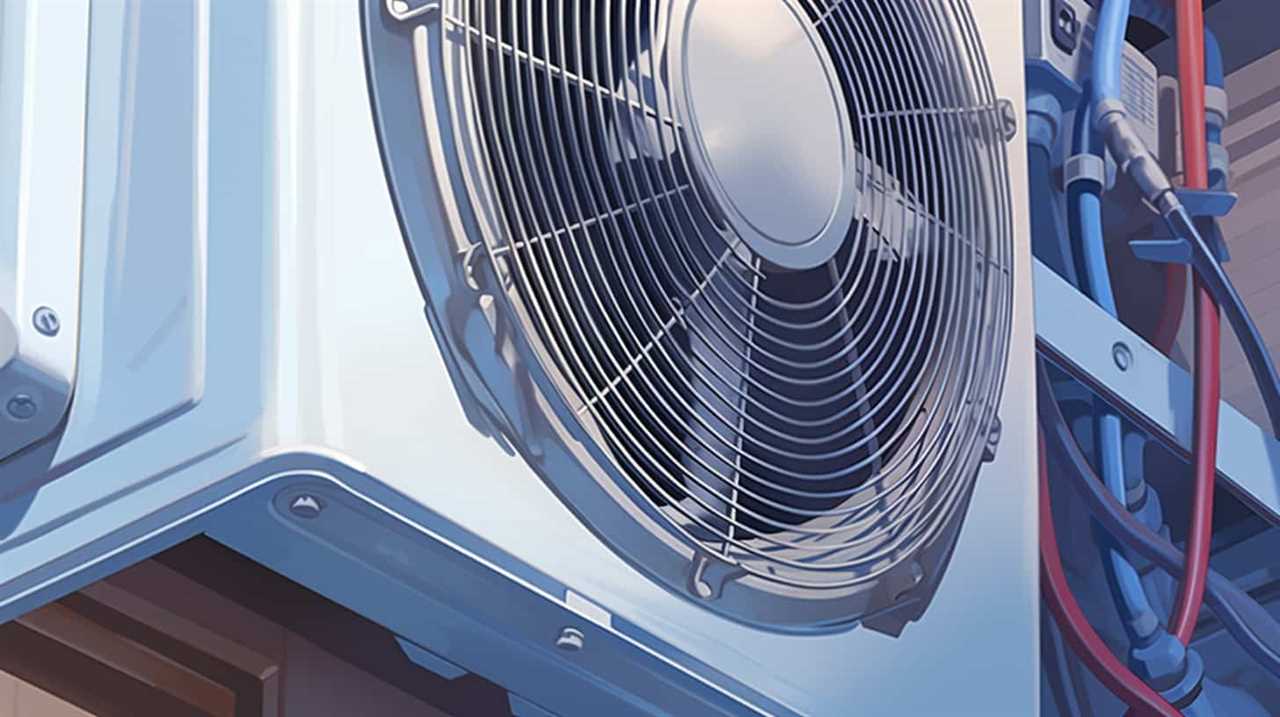
Start by inspecting your current setup for sources of excess noise. Sometimes, the culprit is loose or worn-out fan blades, which can create rattling or humming sounds. Replacing or tightening these parts can dramatically cut down on noise. Additionally, consider installing sound-dampening materials around the equipment or in the area where your system operates. These simple measures absorb vibrations and reduce the transmission of sound, making your environment quieter without replacing the entire system.
Check for loose or worn fan blades and add sound-dampening materials to reduce noise effectively.
Another key to a quieter, more efficient cooling system is upgrading your fan controls. Variable speed fans, for example, can be set to run at lower speeds when full power isn’t necessary, which reduces noise and optimizes energy efficiency. This not only keeps your space comfortable but also cuts down on energy consumption, lowering your utility bills. Smart thermostats and control systems can help you fine-tune your cooling to match your needs precisely, further enhancing energy efficiency and noise reduction.
If your current system uses outdated filters or lacks proper airflow management, upgrading these elements can also improve performance and reduce noise. Dirty filters and poor airflow cause your system to work harder, producing more noise and consuming more energy. Regularly replacing filters with high-quality, quieter models prevents this issue. Additionally, ensuring proper duct sealing and insulation enhances airflow, which improves efficiency and minimizes operational noise. Proper airflow management is essential for maintaining optimal system performance and reducing unnecessary noise. An understanding of airflow dynamics can help you identify and address potential noise sources more effectively.
Another helpful step is to consider acoustic insulation options around your HVAC system, which can further dampen sound transmission and create a more peaceful environment. Finally, consider consulting a professional to evaluate your existing setup. They can recommend targeted upgrades like installing quieter compressors or adjusting fan speeds for optimal noise reduction and energy efficiency. These experts can fine-tune your system without the need for a complete overhaul, making your upgrade cost-effective and minimally disruptive. Also, understanding how genetic testing impacts consumer choices can help you make more informed decisions about appliances and systems that align with your values. In the end, you’ll enjoy a cooler, quieter space that’s easier on your ears and your wallet, all without the hassle of installing a brand new system.
As an affiliate, we earn on qualifying purchases.
Frequently Asked Questions
Can This Upgrade Be Applied to All Existing Cooling Systems?
This upgrade isn’t compatible with all existing cooling systems. You should check for compatibility concerns and system limitations before proceeding. Some systems might have specific components or configurations that prevent the upgrade from working effectively. It’s best to review your system’s specifications or consult a professional to guarantee the upgrade will fit and function properly without causing issues. Don’t assume it’s a universal fix—you need to verify compatibility first.
How Long Does the Installation Process Typically Take?
The installation usually takes about 1 to 3 hours, depending on your existing cooling system. During this time, technicians focus on installing the upgrade to maximize efficiency improvements and noise reduction. You can expect minimal disruption, as the process is quick and straightforward. Once installed, you’ll notice a quieter operation and better cooling performance, making your system more efficient while reducing noise levels considerably.
Will This Upgrade Increase My Electricity Bills?
This upgrade won’t substantially increase your electricity bills. In fact, it can lead to energy savings because it improves your system’s efficiency without needing a full replacement. A cost analysis shows you’ll likely save money over time due to lower energy consumption. By upgrading quietly and effectively, you enjoy better cooling while keeping costs manageable, making it a smart choice for cost-conscious homeowners.
Are There Any Safety Concerns During Installation?
Yes, there are safety concerns during installation, but you can minimize them with proper safety precautions. Carefully follow instructions, wear protective gear, and disconnect power sources before starting. Recognize installation risks like electrical shocks or accidental damage. Stay alert, avoid rushing, and seek professional help if unsure. By staying cautious and prepared, you guarantee a safe upgrade process, reducing risks and protecting yourself and your system.
How Often Should the Upgraded System Be Maintained?
You should follow a regular maintenance schedule, ideally every 6 to 12 months, to guarantee your upgraded cooling system runs efficiently. Proper upkeep helps prevent dust buildup, checks for leaks, and maintains peak performance. Consistent maintenance offers longevity benefits, extending the lifespan of your system and keeping it quiet and effective. Staying proactive with maintenance ensures you enjoy reliable cooling and avoid costly repairs down the line.
sound dampening materials for HVAC
As an affiliate, we earn on qualifying purchases.
As an affiliate, we earn on qualifying purchases.
Conclusion
Upgrading your cooling system quietly is like giving your PC a gentle whisper instead of a loud shout. You don’t need a complete overhaul—just some smart tweaks to keep things running smoothly and quietly. Think of it as tuning a fine instrument, where small adjustments make a world of difference. With these simple upgrades, you’ll enjoy a cooler, quieter experience without the noise and hassle of a new system. Your PC will thank you.
smart thermostat for cooling system
As an affiliate, we earn on qualifying purchases.
As an affiliate, we earn on qualifying purchases.
high-quality air filters for HVAC
As an affiliate, we earn on qualifying purchases.
As an affiliate, we earn on qualifying purchases.