Seasonal allergies influence your climate control strategies by requiring you to adjust ventilation, indoor humidity, and air filtration based on outdoor pollen and pollution levels. During high pollen seasons, keep windows closed and use air purifiers with HEPA filters to trap allergens. Lower humidity to prevent mold growth, especially in damp months. Monitoring local conditions helps you make timely adjustments to reduce allergy symptoms. Stay tuned to learn more about customizing your environment to seasonal changes.
Key Takeaways
- High pollen seasons require using HVAC systems with advanced HEPA filters to reduce indoor allergens.
- Closing windows during peak pollen times helps prevent outdoor allergens from entering indoor spaces.
- Adjusting indoor humidity levels minimizes mold growth, which can worsen allergy symptoms.
- Monitoring local pollen forecasts allows proactive climate control adjustments to minimize allergen exposure.
- Increasing air filtration and scheduling duct cleaning improve indoor air quality during allergy-prone seasons.

Have you ever wondered how changing seasons affect your allergies? As the seasons shift, your environment undergoes noticeable changes that directly impact your allergy symptoms. One of the key factors at play is air quality, which can fluctuate markedly throughout the year. During spring, for example, increased pollen levels elevate outdoor air pollution, making the air feel heavier and more irritating for allergy sufferers. Conversely, in the winter months, colder temperatures often lead to clearer skies and better air quality, but indoor air quality can suffer due to heating systems that circulate dust and mold spores. These variations in air quality influence not only your allergy symptoms but also how you manage your climate control strategies at home or work.
Seasonal changes impact air quality and allergy symptoms throughout the year.
Pollen levels tend to spike during specific seasons, primarily spring and early summer, when plants release their reproductive particles into the air. This surge in pollen can drastically worsen allergy symptoms, prompting you to modify your climate control practices. For instance, during high pollen seasons, you might need to keep windows closed more often to prevent pollen from entering your living spaces. Using air purifiers equipped with HEPA filters becomes essential, as they help trap airborne allergens and improve indoor air quality. Maintaining a consistent temperature and humidity level is also vital, since mold spores thrive in damp environments and can exacerbate allergies. By controlling indoor humidity, you reduce mold growth and create a less hospitable environment for airborne allergens.
Understanding how seasonal changes influence air quality and pollen levels helps you make informed decisions about your climate control. During seasons with high pollen counts, you might opt for HVAC systems with advanced filtration to keep pollen and other airborne irritants out of your home. Regularly changing air filters and scheduling professional duct cleanings can further improve indoor air quality. In contrast, during seasons when pollen levels are low, you might open your windows to enjoy fresh air, but always remain cautious of outdoor air quality, especially if pollution levels are high. Monitoring local weather reports and pollen forecasts can help you anticipate when to adjust your indoor environment accordingly, ensuring your allergy symptoms are minimized.
Ultimately, recognizing the connection between seasonal shifts, air quality, and pollen levels allows you to tailor your climate control strategies effectively. Whether it’s upgrading your filtration system, managing humidity levels, or adjusting ventilation habits, these steps empower you to breathe easier throughout the year. By staying proactive and attentive to environmental changes, you can markedly reduce allergy flare-ups and enjoy a more comfortable, healthier living space regardless of the season.

23000 BTU Mini Split AC & Heat Pump, 230v Energy Efficient Wall-Mounted Ductless Air Conditioner with WiFi Control, r32 Eco-Friendly Refrigerant, Cools/Heats Up to 1500 Sq.Ft, Quiet Operation
Powerful Cooling & Heating - This 23000 BTU mini split system delivers reliable cooling (63-90℉) and heating (32-80℉)...
As an affiliate, we earn on qualifying purchases.
Frequently Asked Questions
How Do Pollen Levels Vary With Different Climate Zones?
You’ll notice pollen levels vary markedly with climate zone differences. In warmer, humid zones, pollen forecasting predicts higher pollen counts during spring and summer, leading to more allergies. Cooler or arid zones tend to have lower pollen levels year-round. By understanding these climate zone differences, you can better plan your allergy management. Staying updated on pollen forecasting helps you avoid peak pollen times, reducing allergy symptoms effectively.
Can Climate Control Reduce Allergy Symptoms Effectively?
Climate control can effectively reduce allergy symptoms by improving indoor air quality. You can use air purifiers with HEPA filters, keep windows closed during high pollen seasons, and maintain proper ventilation. These allergy mitigation strategies help filter out pollen and other allergens, creating a healthier environment. By managing indoor conditions, you lessen allergy triggers, allowing you to breathe easier and experience fewer symptoms even during peak allergy seasons.
What Are the Long-Term Impacts of Climate Change on Allergies?
You’ll see that climate change worsens allergies long-term by affecting air quality management and allergy forecasting. Rising temperatures lead to longer pollen seasons and increased pollen production, making allergies more persistent. Poor air quality compounds these effects, causing more severe symptoms. To adapt, you should focus on improving air filtration and staying informed through accurate allergy forecasting, helping you manage symptoms as climate change continues to impact your environment.
How Do Urban Environments Influence Seasonal Allergy Patterns?
Did you know that urban environments can increase allergy symptoms by up to 50%? In cities, higher urban heat and pollution hotspots boost pollen production and prolong allergy seasons. You might notice worse hay fever during heatwaves, as these conditions intensify allergen presence. Urban heat traps pollutants, making it harder for your body to filter irritants, which worsens seasonal allergy patterns and impacts your daily comfort.
Are There Specific Climate Control Technologies Designed for Allergy Sufferers?
Yes, there are climate control technologies designed specifically for allergy sufferers. You can use air purification systems with advanced allergen filtration to remove pollen, dust, and pet dander from indoor air. HVAC systems with high-efficiency filters and dehumidifiers also help reduce moisture and mold growth, which trigger allergies. By investing in these technologies, you create a healthier indoor environment, easing allergy symptoms and improving your overall comfort during allergy seasons.
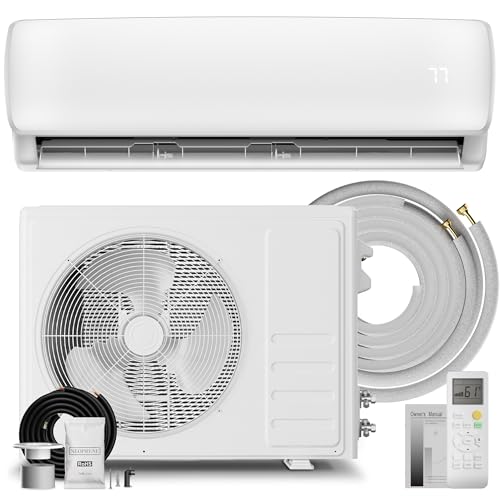
MEPTY 9000BTU Mini Split AC/Heating System, 19 SEER2 Energy Efficient Mini Split Air Conditioner with Heat Pump, 110V Cools Up to 450sq.ft, Ductless Inverter AC Unit with Pre-Charged Condenser
⭐Advanced Energy Saving: Advanced inverter technology with leading 19 SEER2 rating delivers superior performance through ensuring that the...
As an affiliate, we earn on qualifying purchases.
Conclusion
So, next time allergy season hits, remember that your climate control isn’t just about comfort — it’s a battleground against the pollen invasion! By tweaking your air filters and ventilation, you could be stopping tiny airborne armies from taking over your home. Don’t underestimate the power of your climate strategies; they could save you from a pollen apocalypse. Stay vigilant, stay protected, and turn your space into an allergy-free fortress!
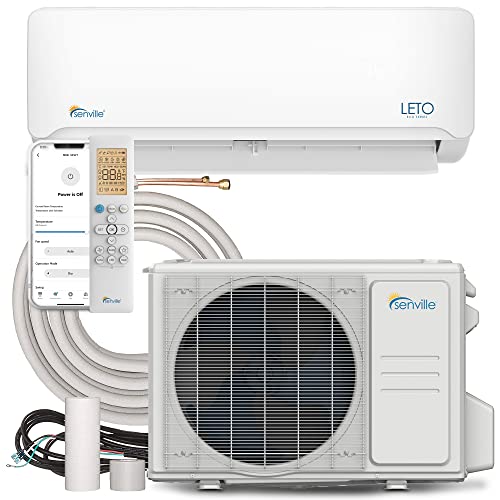
Senville LETO Series Mini Split Air Conditioner Heat Pump, 12000 BTU 110/120V, Inverter, Works with Alexa, SEER2 20.8, 1 Ton, White
Alexa Enabled Mini Split AC/Heating System: Integrate with voice control or app, allowing you to adjust your mini...
As an affiliate, we earn on qualifying purchases.

Manastin 12000BTU Mini Split Air Conditioner& Heater, 17 SEER2 115V Mini Spilt AC with Inverter Compressor, Covers Up to 750 Sq. Ft, Complete Installation Kit Included
【𝑭𝒂𝒔𝒕 𝑪𝒐𝒐𝒍𝒊𝒏𝒈 𝒂𝒏𝒅 𝑯𝒆𝒂𝒕𝒊𝒏𝒈 𝑷𝒆𝒓𝒇𝒐𝒓𝒎𝒂𝒏𝒄𝒆】Powered by a high-efficiency rotary compressor, this mini split air conditioner delivers rapid cooling...
As an affiliate, we earn on qualifying purchases.